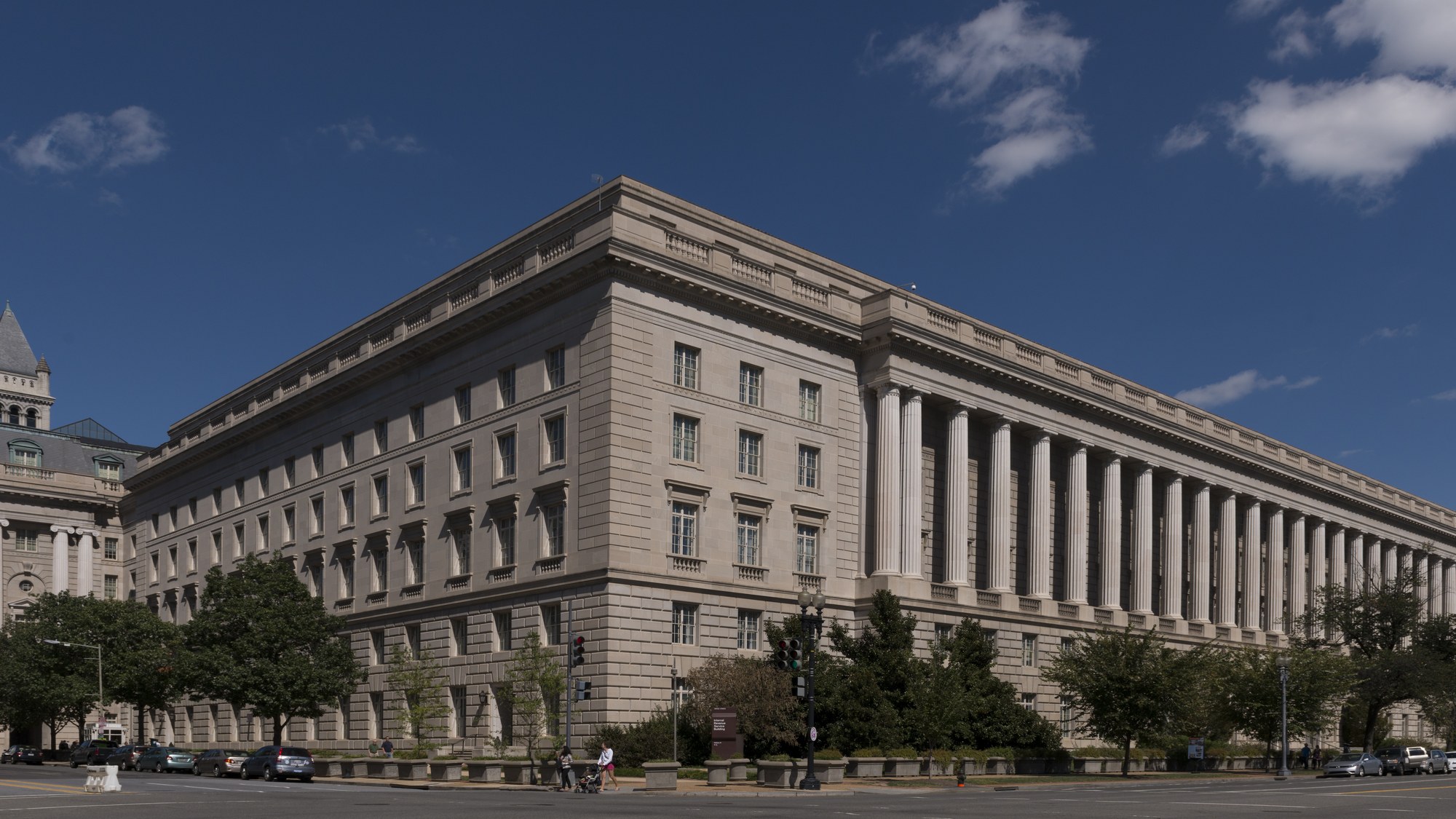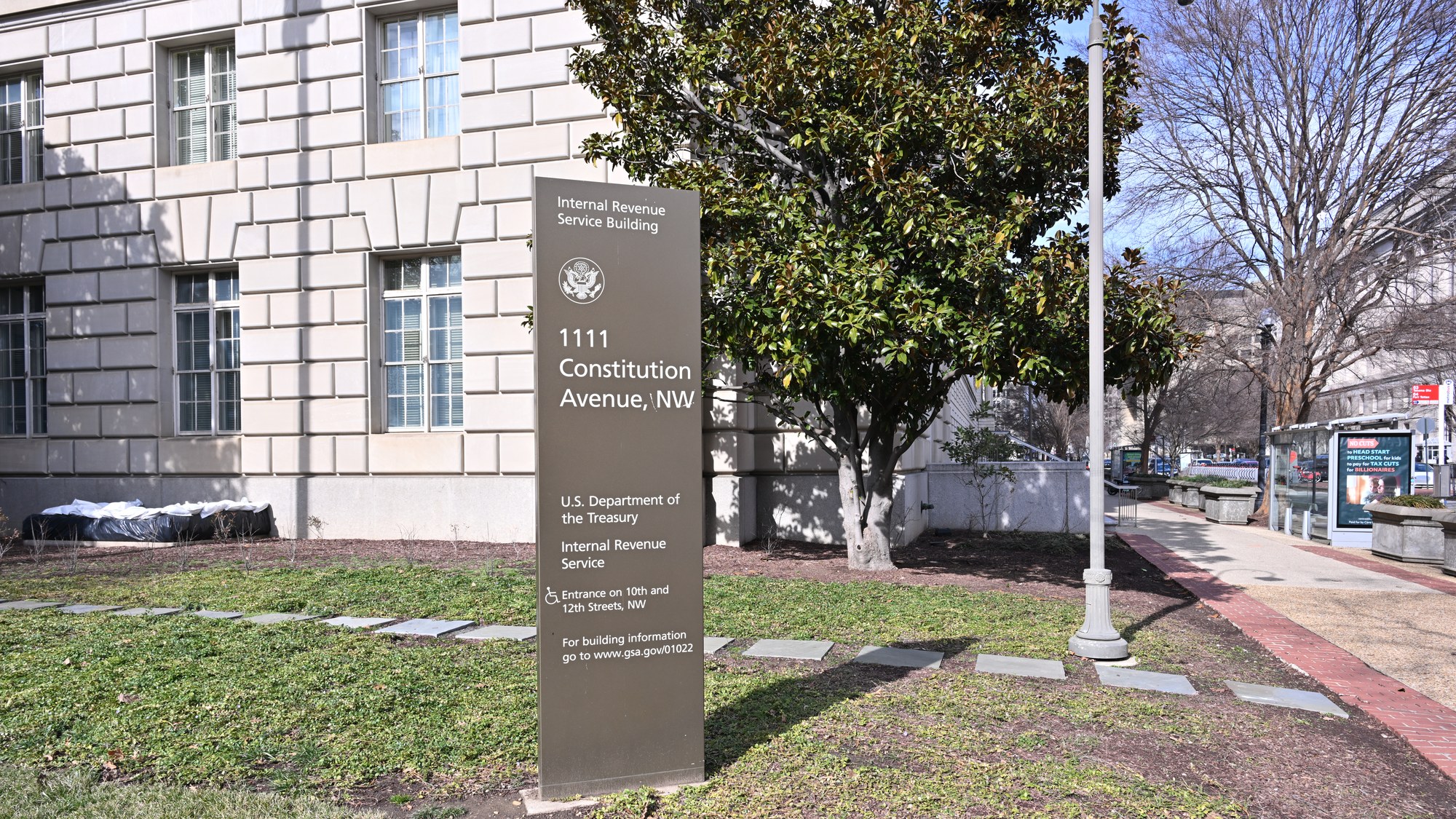
The IRS says promoters are selling three tax credits that do not exist under federal law: “Tribal Tax Credits,” “Native American Tax Credits” and “Sovereign Tribal Tax Credits.” The agency warned in a September 18 release that anyone who claims one still owes the correct tax, plus penalties and interest, with consequences that can extend to civil and criminal penalties, fines and imprisonment. IRS Chief Executive Officer Frank J. Bisignano said protecting taxpayers from schemes like this “remains central to the IRS mission.”
Two things the kit covers: the fraud evidence and report log and the first-hour recovery plan in The Senior Fraud Defense & First-Hour Recovery Kit, built for a fee already paid on a credit that doesn’t exist. Log the promoter’s pitch before reporting it →
What The IRS Actually Warned About
According to the IRS’s September 18, 2026 newsroom release, IR-2026-112, promoters are marketing three products with no basis in federal tax law: “Tribal Tax Credits,” “Native American Tax Credits” and “Sovereign Tribal Tax Credits.” The release states plainly that “these credits do not exist,” regardless of how they are packaged or who is selling them. Bisignano’s statement frames the warning as part of a broader enforcement priority rather than an isolated notice, telling taxpayers the agency intends to keep flagging schemes like this one as they surface.
How The Pitch Is Built To Sound Legitimate
The release describes a specific sales pattern rather than a vague scam warning. Promoters tell prospective buyers the credits will reduce their tax liability or generate a refund, promise a return on the money spent to acquire the credit, and pressure people to act quickly before a supposed opportunity closes. Some promoters go further, the IRS says, encouraging taxpayers who get audited over the claim to challenge the IRS rather than concede the credit is invalid, and charging separate fees just to “arrange” the credit or prepare supporting documentation. Several promoters also hand buyers legal opinions that the IRS describes as unverifiable, and some cite agreements between the Treasury Department and the Department of the Interior that, per the release, do not exist.
Two additional tactics round out the pitch, according to the release: some promoters point to nonexistent executive orders as the supposed legal basis for the credit, and others tell a prospective buyer that other taxpayers have already had similar claims “accepted” by the IRS, using that false claim of prior acceptance as proof the credit is legitimate.
The Real Programs Promoters Borrow Credibility From
Part of what makes the pitch convincing, according to the release, is that promoters lean on the names of tax provisions that genuinely exist. The IRS specifically calls out the New Markets Tax Credit, authorized under Section 45D of the tax code, and transferable clean energy credits as programs promoters misrepresent to make a fabricated tribal credit sound like a known, government-sanctioned instrument. The New Markets Tax Credit is real: it is worth 39% of an investor’s original investment claimed over seven years, and it can only be claimed by entities the Treasury Department’s Community Development Financial Institutions Fund has certified as Community Development Entities, according to the CDFI Fund’s program page, which reports $91 billion in cumulative allocations since 2002. The fabricated “tribal” credits simply borrow that program’s name without meeting any of its certification requirements or going through the CDFI Fund’s allocation process at all.
What Happens To Someone Who Claims The Credit
The release is direct about the downside for a buyer who claims one of the three fabricated credits on a return: the IRS will assess the correct tax owed as though the credit never existed, on top of interest that accrues from the original filing date. Beyond that, the release states taxpayers “may also be subject to civil and criminal penalties,” and in more serious cases, fines and imprisonment. None of those consequences fall on the promoter alone: the release makes clear the filer who claims the credit bears the tax exposure directly, regardless of what a promoter promised in writing. For someone who also paid a separate fee for the promoter’s “arrangement” services or legal opinion, the release’s warning means that fee is a second loss on top of whatever back taxes, penalties and interest follow the corrected return, since nothing in the release suggests promoters refund those fees once a credit is disallowed.
The release frames the promised “substantial returns” as the hook, which is consistent with how these credits are typically marketed: as an investment-style opportunity to reduce a tax bill rather than as a legitimate deduction tied to a specific expense or activity. That framing tends to appeal most to someone actively looking for ways to lower taxes owed on retirement income, investment gains or the sale of a business or property, precisely the audience with both a tax bill worth reducing and enough at stake to consider paying a promoter’s fee for a credit that sounds too good to have been overlooked by every other filer’s accountant.
The Warning Signs The IRS Lists
The release also gives specific red flags rather than general caution. It flags credits offered for sale substantially below their claimed face value, sellers who say the opportunity is available only for a limited time, references to government agreements that cannot be verified, legal opinions that cannot be checked against any public record, and any requirement that a buyer sign a nondisclosure agreement before seeing the details. That last item is unusual enough to call out on its own: a legitimate tax credit does not require secrecy as a condition of purchase, and the IRS’s inclusion of NDAs on its red-flag list signals the agency has seen that specific tactic in cases it has investigated.
How To Report A Promoter
The IRS directs anyone who encounters one of these pitches, or who has already paid a promoter, to file Form 14242, Report Suspected Abusive Tax Promotions or Preparers, or to submit the same information through IRS.gov/submitatip, according to the release. The release does not set a deadline for reporting, and filing a report is separate from any obligation the taxpayer has to correct their own return if a fabricated credit was already claimed.
The Step After Paying For A Credit That Doesn’t Exist
The IRS’s September 18 warning states that “Tribal Tax Credits,” “Native American Tax Credits” and “Sovereign Tribal Tax Credits” do not exist under federal law, but it does not undo a fee a promoter already collected for one. Anyone who paid for documentation, a legal opinion or “arrangement” of one of these credits faces the same follow-up questions any fraud case raises: what to document, who to notify, and what to keep before a return needs correcting.
The Senior Fraud Defense & First-Hour Recovery Kit provides a fraud evidence and report log for preserving a promoter’s pitch materials and a first-hour recovery plan for the calls that follow once a fraudulent claim comes to light.
See the evidence log built for a promoter case like this in The Senior Fraud Defense & First-Hour Recovery Kit.
This article was produced with AI assistance and checked against the primary sources linked above.