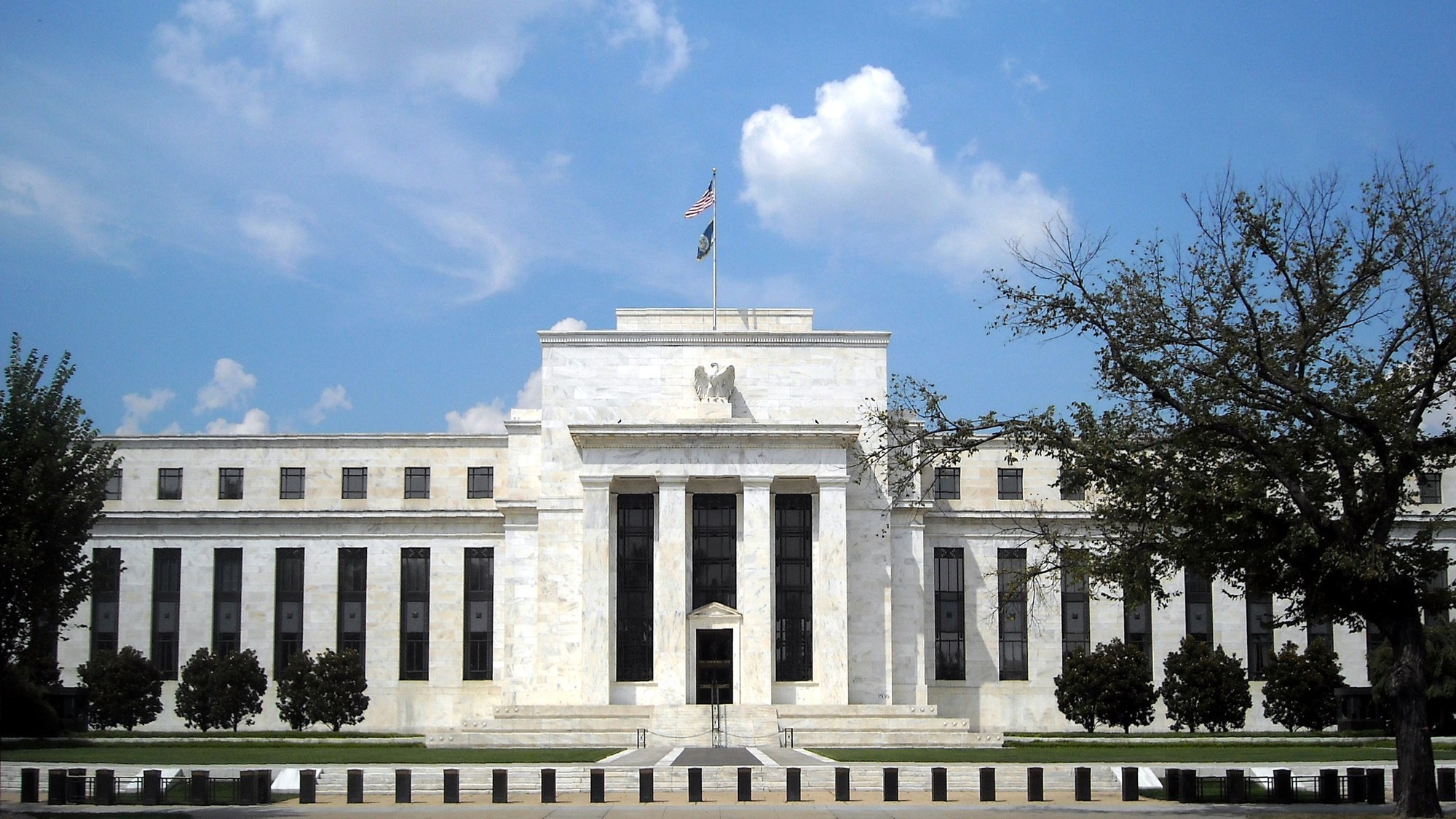
The Federal Reserve proposed a rule September 24 that would require stablecoins issued by banks it supervises to be backed by short-term Treasury bills and other high-quality, liquid assets, the central bank said in a pair of proposals implementing the GENIUS Act. The proposal is open for public comment for 60 days after it appears in the Federal Register and has not been finalized. It would apply to Board-supervised banks seeking to issue payment stablecoins through a subsidiary, alongside a separate application process requiring a business plan and financial disclosures.
What a stablecoin reserve rule doesn’t touch: The Fed’s proposal sets reserve and capital rules for bank-issued stablecoins, not the FDIC deposit-insurance limits The Bank Account & Debt Protection Kit lays out for checking or savings accounts. See what actually covers a bank deposit →
What The Fed’s Proposal Would Actually Require
The proposed framework would require a Board-supervised bank issuing a payment stablecoin to hold reserves consisting of “short-term Treasury bills and certain other high-quality, liquid assets,” according to the Federal Reserve’s September 24 press release. Alongside the reserve requirement, the proposal would set standardized capital requirements addressing credit and operational risk, risk-management standards, and rules for any entity that safekeeps the assets backing a stablecoin. The release also notes that Board-supervised banks already engage in various stablecoin-related activities today, and part of the proposal’s purpose is to clarify which of those activities are permissible under the new framework rather than leaving banks to interpret existing rules on their own. None of these requirements is in effect yet; the release describes each as part of a proposed framework, not a rule banks must already follow. A customer holding a stablecoin today, issued by any entity, would not be covered by reserve or capital standards this specific proposal has not yet finalized.
Why This Traces Back To The GENIUS Act
The Federal Reserve’s release frames both proposals as implementing the GENIUS Act, the federal law establishing a regulatory framework for payment stablecoins, rather than as a rule the Fed developed independently of Congress. Congress passed the GENIUS Act to give federal banking regulators explicit authority over payment stablecoins for the first time, and the Fed’s two proposals represent its initial attempt to translate that statutory authority into specific reserve and application requirements for the banks it supervises. That framing matters because it sets the boundaries of what the Fed can require: the proposal covers reserve composition, capital and risk-management standards, and an application process for banks that want to issue a payment stablecoin through a subsidiary, the categories the underlying law directs the Fed to address. The release does not describe the proposal as covering stablecoins issued by non-bank companies, which fall under a separate part of the same law’s framework. A reader encountering a stablecoin marketed by a non-bank issuer would not be looking at a product covered by this specific reserve proposal, since the Fed’s authority here runs specifically to the banks it supervises.
Still Just A Proposal: The 60-Day Comment Window
The Federal Reserve’s release describes the reserve and capital framework, along with the companion application-process proposal, as open for public comment for 60 days once each appears in the Federal Register, not as a rule already in force. A comment period exists specifically so that the reserve composition, the capital thresholds, and the anti-money-laundering standard discussed below can all be revised before a final version takes effect, meaning the requirements described in this article could still change in response to what the Fed receives. Nothing in the release sets a date by which a final rule must be issued, and no bank is yet required to meet the reserve or capital standards the proposal describes.
The Safeguard Governor Barr Says Still Needs Work
Federal Reserve Governor Michael S. Barr issued his own statement on the proposal the same day, writing that “stablecoins will only be stable if they can be reliably and promptly redeemed at par in a range of conditions,” according to his published statement. Barr said he supports provisions limiting reserve assets and requiring transparent capital standards, but flagged a proposed anti-money-laundering threshold he worries could affect the Fed’s own supervisory enforcement powers, and he called for public feedback on how the framework handles interest-rate and foreign-currency risk. “Further work will undoubtedly be required if stablecoins are to be reliable payment instruments,” Barr concluded in the same statement.
Who Would Have To Apply, And How
Beyond the reserve and capital standards, the Fed’s companion proposal would establish an application process for a Board-supervised bank seeking to issue a payment stablecoin through a subsidiary, requiring the bank to submit a business plan and financial information as part of that application, per the September 24 release. The same proposal would set procedures for appeals and determinations tied to that application process, giving the Fed a structured path for approving or denying a bank’s request rather than an informal review. The Fed’s release does not specify how many banks have indicated interest in issuing a payment stablecoin under this framework, and no bank has yet submitted an application through the process the proposal would create. Until a bank clears that application process and a final rule takes effect, no Board-supervised bank stablecoin backed under this specific framework exists for a customer to hold.
The Deposit Protection The Proposal Doesn’t Touch
The Fed’s reserve framework is a separate legal track from federal deposit insurance, which covers “$250,000 per depositor, per insured bank, for each account ownership category,” according to the FDIC’s own coverage rules. A stablecoin backed under the Fed’s proposed reserve standard would rely on the issuing bank holding Treasury bills and other liquid assets, not on the FDIC’s deposit-insurance fund, since a stablecoin is a payment instrument the proposal treats separately from an insured checking or savings deposit. Neither the Fed’s September 24 release nor Governor Barr’s statement describes the proposed reserve framework as extending FDIC coverage to a stablecoin balance, leaving that $250,000-per-category protection tied, as it already is today, to an actual insured deposit account rather than to any stablecoin a bank subsidiary might eventually issue under the new rule.
The Insurance Question A Stablecoin Rule Doesn’t Settle
The Fed’s proposal would require reserve backing in Treasury bills and other liquid, high-quality assets for stablecoins issued through a bank subsidiary, a category Governor Michael Barr says still needs stronger anti-money-laundering safeguards before the rule is final. None of that reserve framework changes how FDIC deposit insurance works for a customer’s ordinary checking or savings balance at the same bank, a distinction the proposal itself does not spell out for account holders.
The Bank Account & Debt Protection Kit lays out FDIC insurance limits, the protected-funds and dispute log, and the steps for stopping overdraft fees, none of which change based on what new products a bank sells.
Look up the FDIC insurance limits in The Bank Account & Debt Protection Kit.
This article was produced with AI assistance and checked against the primary sources linked above.