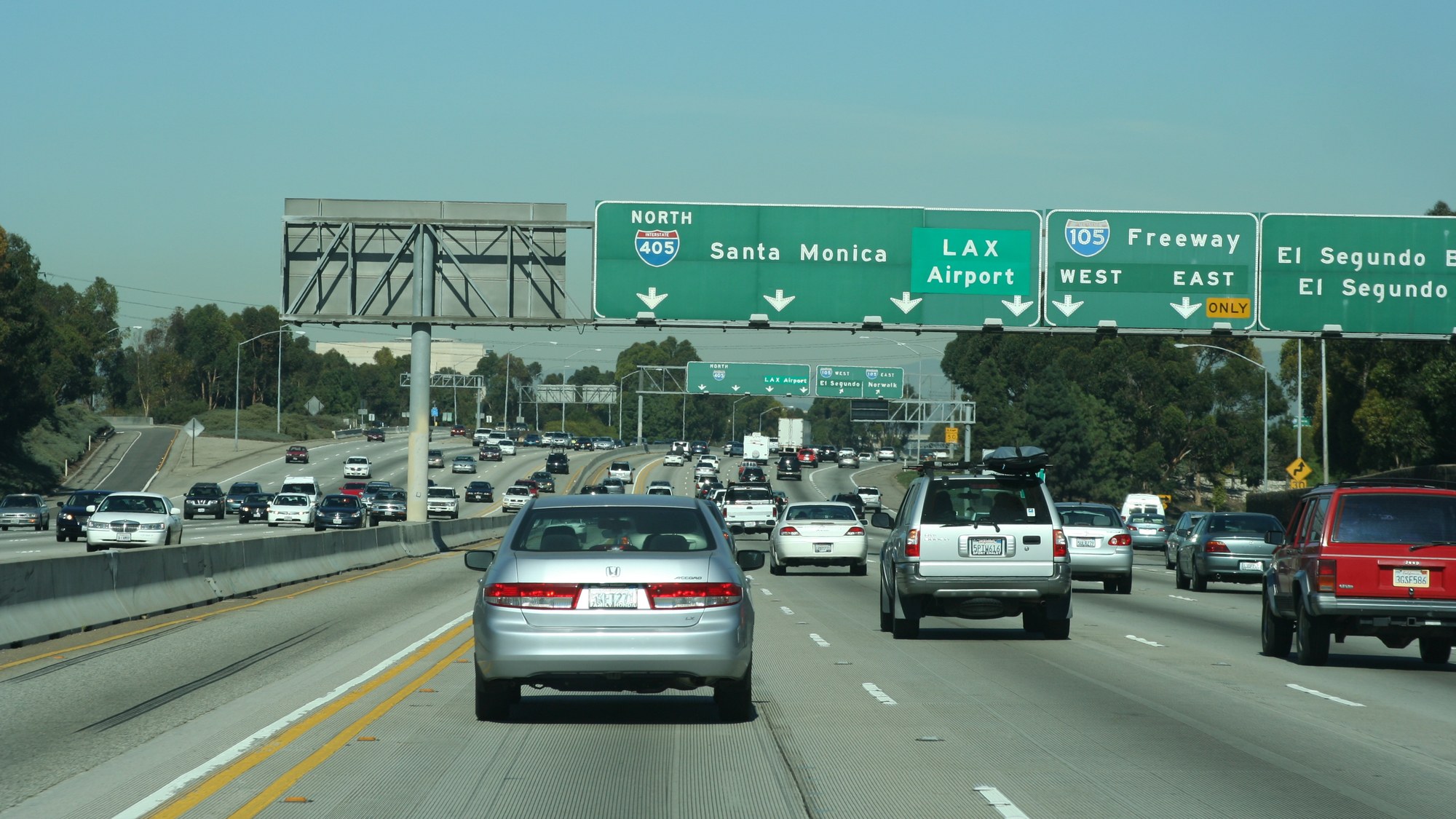
California’s insurance commissioner is moving to strike marital status from the list of factors insurers can use to set auto insurance prices, a rating practice regulators in the state have permitted for three decades. Commissioner Ricardo Lara proposed the change Sept. 16, arguing it penalizes single, divorced and widowed drivers for a life circumstance that has nothing to do with how safely they drive. The proposal, if adopted, would apply to every insurer writing personal auto policies in California.
Two pieces of the relief kit that fit here: The Senior Property Tax & Home-Cost Relief Kit lays out the 5 kinds of property-tax relief and the circuit-breaker credit that covers renters too. Sort the property-tax relief options by type →
A Rating Factor In Place Since Proposition 103
California has allowed insurers to weigh marital status when pricing an auto policy for about 30 years, according to the California Department of Insurance’s Sept. 16 announcement of Lara’s proposal, under a framework Proposition 103 put in place after voters approved it in 1988. The measure requires the department to approve the factors insurers may use to set rates, and it has permitted marital status among the optional ones an insurer can apply on top of a driver’s safety record. Lara’s proposal would remove that permission going forward; it does not reopen or refund policies already priced under the current rule, and it does not touch any of the factors Proposition 103 made mandatory for every insurer to use first, and it leaves every other optional factor insurers currently use untouched unless the department proposes to remove those separately.
What The Proposed Regulation Would Change
The regulation at issue, Title 10, Section 2632.5 of the California Code of Regulations, lists the factors an insurer may use to set a personal auto premium beyond the driving-record measures Proposition 103 made mandatory. Auto insurance rate-setting is regulated state by state rather than federally, and the National Association of Insurance Commissioners’ own account of state market-conduct oversight notes that a change like California’s has no automatic effect on any other state’s rules, so a driver who moves out of California would still be subject to whatever that state allows insurers to consider. Marital status sits among the optional factors an insurer can choose to apply, which is why removing it requires the commissioner to amend that specific regulation rather than pass a new law through the Legislature. Lara’s department, in its Sept. 16 announcement, framed the change as ending a distinction that has nothing to do with how a person actually drives, rather than as a response to any single complaint or case. Because the change runs through a regulation rather than a statute, the commissioner does not need the Legislature’s approval to adopt it, though the change still has to survive the state’s formal rulemaking review before it can bind insurers.
Who Pays More Under The Current Rule
Under the current regulation, insurers can charge single, divorced and widowed drivers more than married drivers with otherwise identical driving records, a distinction consumer advocates have challenged repeatedly since Proposition 103 took effect. For an older Californian who loses a spouse to death or divorce, the practice means an auto insurance bill can rise for a reason that has nothing to do with a ticket, an accident or a change in the car itself, layering a new cost onto a household budget that has often just lost a second income. A driver’s own auto insurance guide from the California Department of Insurance walks through how the state’s rating system works and where a driver can file a complaint if a quoted price seems out of line with the factors the law actually allows.
Where The Rulemaking Stands Now
Lara’s Sept. 16 announcement puts the marital-status ban forward as a proposed regulation, the formal step that opens the change to public review before it can take effect; it is not yet a final rule and does not change any policy in force today. California law requires the Department of Insurance to publish the regulation’s exact text, take public comment and, in most cases, hold a hearing before an insurance rating regulation can be adopted, a process the department’s own rulemaking-process page lays out in full. Neither the department’s Sept. 16 release nor its rulemaking page had set a final adoption date as of this week.
What California Drivers Should Know Today
No premium changes today. Insurers in California cannot drop marital status from their rating plans on their own; every rate factor an insurer uses has to be approved by the Department of Insurance under the same regulatory process described above, which means a currently married driver’s bill and a currently single, divorced or widowed driver’s bill will keep reflecting marital status until a final regulation takes effect and insurers refile their rating plans to match it. Drivers who want to track the proposal’s progress can watch for the formal rulemaking notice the department is required to publish once it moves the plan from an announcement to an official filing, and can compare their own policy’s rating factors against the department’s consumer guide in the meantime to see which ones currently apply to their premium.
A Household Cost Still Worth Sorting Out
Lara’s proposal, if it clears the rulemaking process, would end one specific cost some California drivers pay for reasons that have nothing to do with how they drive, but the property taxes, utility bills and home-repair costs that also land on an older household’s budget still follow their own separate rules and deadlines. None of those other bills wait on an insurance regulation to change.
The Senior Property Tax & Home-Cost Relief Kit lays out the 5 kinds of property-tax relief and the circuit-breaker credit that also covers renters, alongside an application log for tracking each one.
Read the relief programs in The Senior Property Tax & Home-Cost Relief Kit.
This article was produced with AI assistance and checked against the primary sources linked above.