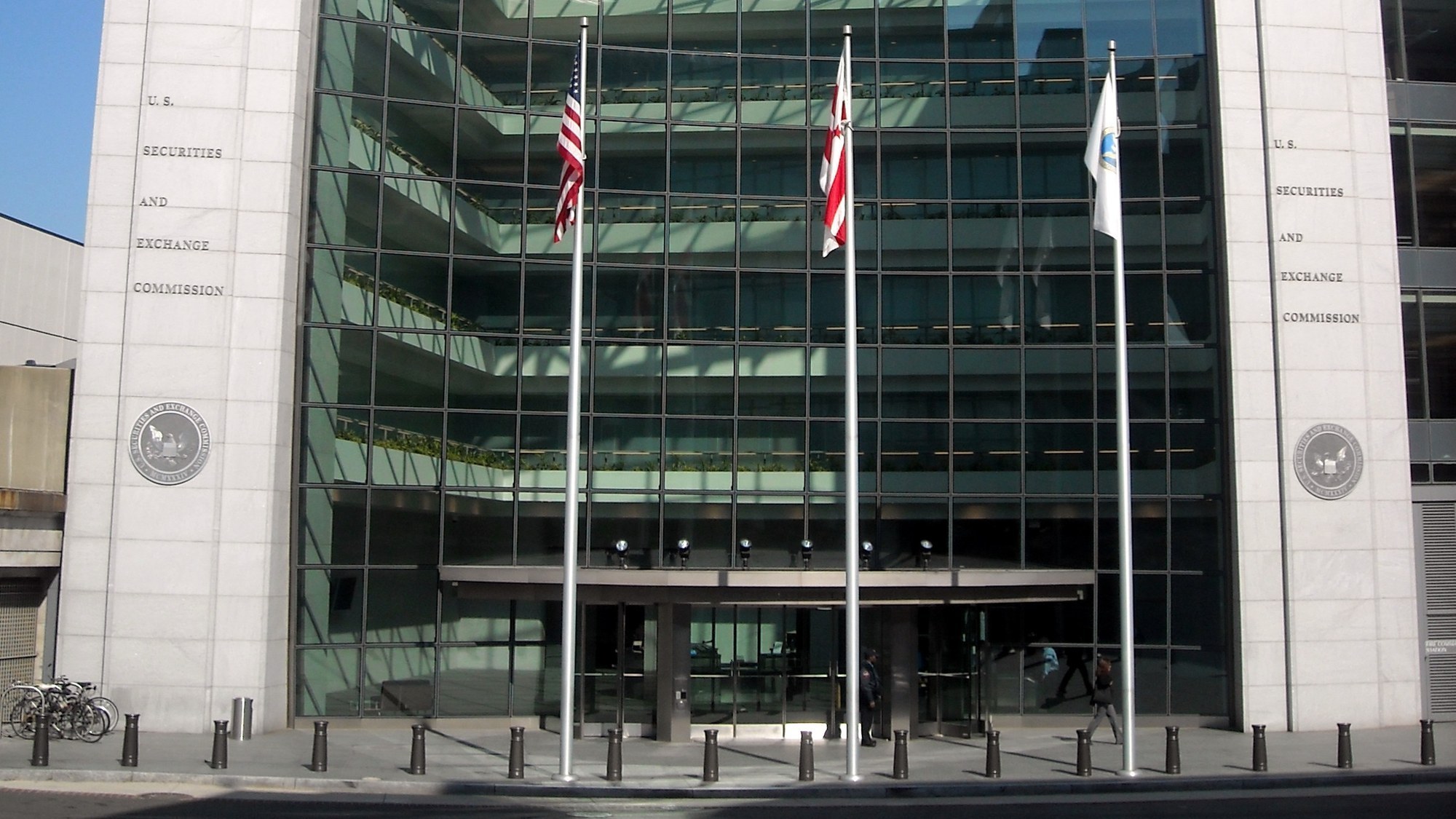
A New York firm that used an algorithm to steer people toward financial advisers, and collected a share of the fees when they signed on, did not adequately tell users about a financial incentive built into that arrangement for nearly two years. The Securities and Exchange Commission fined Zoe Financial Inc. $450,000 on Sept. 28 for the lapse, which the agency said violated the Investment Advisers Act of 1940.
A referral service paid out of the fees it referred
Under the SEC’s administrative order, advisers in Zoe Financial’s network paid the company a portion of the advisory fees collected from referred clients who hired them. Between January 2023 and December 2024 the network ranged from roughly 128 to 225 advisers. By March 2026 the firm reported 1,689 advisory clients and 20,538 clients for whom it had no regulatory assets under management, according to the order.
The SEC’s announcement described the service as one that “used an algorithm to match third-party investment advisers in its network with individuals seeking a recommendation.” For an older saver deciding where to place a retirement rollover, a recommendation from such a service can look like a neutral shortlist. The order shows that the adviser’s payment to the matchmaker was part of the picture. The announcement is headed “SEC Charges Registered Investment Adviser Zoe Financial for Failure to Disclose Conflict of Interest,” which places the firm itself under the adviser rules, including the duty under Section 206(2) of the Advisers Act that the SEC cited.
Zoe Wealth and the sales calls that overrode the algorithm
In January 2023 Zoe Financial launched Zoe Wealth, which provided sub-advisory services, account onboarding and back-office support to advisers in its network. The SEC found the firm had a financial incentive for network advisers to use that platform: the order says Zoe Financial received additional fees from advisers when clients it referred were onboarded to Zoe Wealth.
The algorithm did not factor Zoe Wealth use into its recommendations, the agency said. Sales staff, however, followed up with people who had not scheduled meetings and frequently suggested advisers the algorithm had not recommended. Zoe Financial also told users it referred them “solely based on that individual’s answer to questions during the potential client’s onboarding process,” a description the order found inaccurate.
Three dates in Zoe’s adviser filings
The order tracks the disclosure gap through the firm’s Form ADV. Until Oct. 28, 2024, the filing did not mention the Zoe Wealth conflict. On Oct. 28 it said Zoe Financial might require use of Zoe Wealth without revealing the financial incentive, and on Dec. 30, 2024 it stated the incentive to refer users to advisers that use the Zoe Wealth platform. The SEC also found that Zoe Financial disclosed certain advisory firms’ indirect minority interests in the company but inaccurately described how it mitigated that conflict.
Sheldon Pollock, associate director of the SEC’s New York Regional Office, said in the announcement: “Investment advisers have a fiduciary obligation to fully and fairly disclose material conflicts of interest.” The SEC quoted him as adding that advisers must meet those obligations when they offer a new technology or feature to clients.
A penalty due in 14 days, and no investor payout
Zoe Financial agreed to a cease-and-desist order, a censure and the $450,000 civil penalty without admitting or denying the findings, and the order requires payment within 14 days. The SEC noted remedial steps the firm took, including revising its compliance manual and hiring an in-house chief compliance officer. The order includes an undertaking that Zoe Financial will not claim a penalty offset in related investor actions. Neither the order nor the announcement describes any repayment to referred clients.
Where the pay of an adviser shows up on paper
The SEC’s Investor.gov guidance on investment advisers says advisers must act in a client’s best interest and disclose conflicts of interest, and it suggests asking “How are you paid for your services?” Registered advisers must provide a Form CRS relationship summary covering fees and costs, conflicts of interest and disciplinary history, and the SEC’s Investment Adviser Public Disclosure site provides information on advisers regulated by the SEC and state securities regulators. The Investor.gov search tool is described on the same guidance page as a free and simple way to find out whether an investment professional is licensed and registered.
The guidance acknowledges the tension the Zoe order illustrates: advisers’ compensation models can conflict with client interests, and the page says clients should understand and ask about those conflicts “because they can affect the investment advice they provide.” The documents an adviser must hand over, the Form ADV Part 2 brochure and the relationship summary, are the places where a payment from a third party such as a referral service is supposed to appear, which is the disclosure the SEC found missing at Zoe Financial until Dec. 30, 2024.
Checking a stranger’s claim before money moves
Scam callers and lookalike websites often present themselves as neutral guides to financial products. The first hour after a suspicious contact or a shared account number often decides how much can be recovered.
The Senior Fraud Defense & First-Hour Recovery Kit sets out the first-hour recovery plan and the free credit-freeze steps, alongside a fraud evidence and report log for recording each contact.
See the first-hour steps in The Senior Fraud Defense & First-Hour Recovery Kit.
This article was produced with AI assistance and checked against the primary sources linked above.