The United Arab Emirates appears to be moving toward a departure from OPEC that could come within the spring of 2026, a shift that would free one of the world’s most aggressive oil investors to pump far more crude and potentially drag global prices lower at a moment when American drivers are bracing for the usual seasonal spike at the pump.
The Associated Press has reported on the UAE’s growing interest in charting an independent production path, moving away from the quota ceilings that have capped its output for years. Tensions between Abu Dhabi and Saudi Arabia over how much oil the UAE should be allowed to produce have been simmering since at least 2021, when the two countries clashed publicly during OPEC+ negotiations. No official confirmation of a formal exit has been issued as of late April 2026, but the possibility has reshaped how traders and analysts are pricing the months ahead.
Why the UAE would walk away
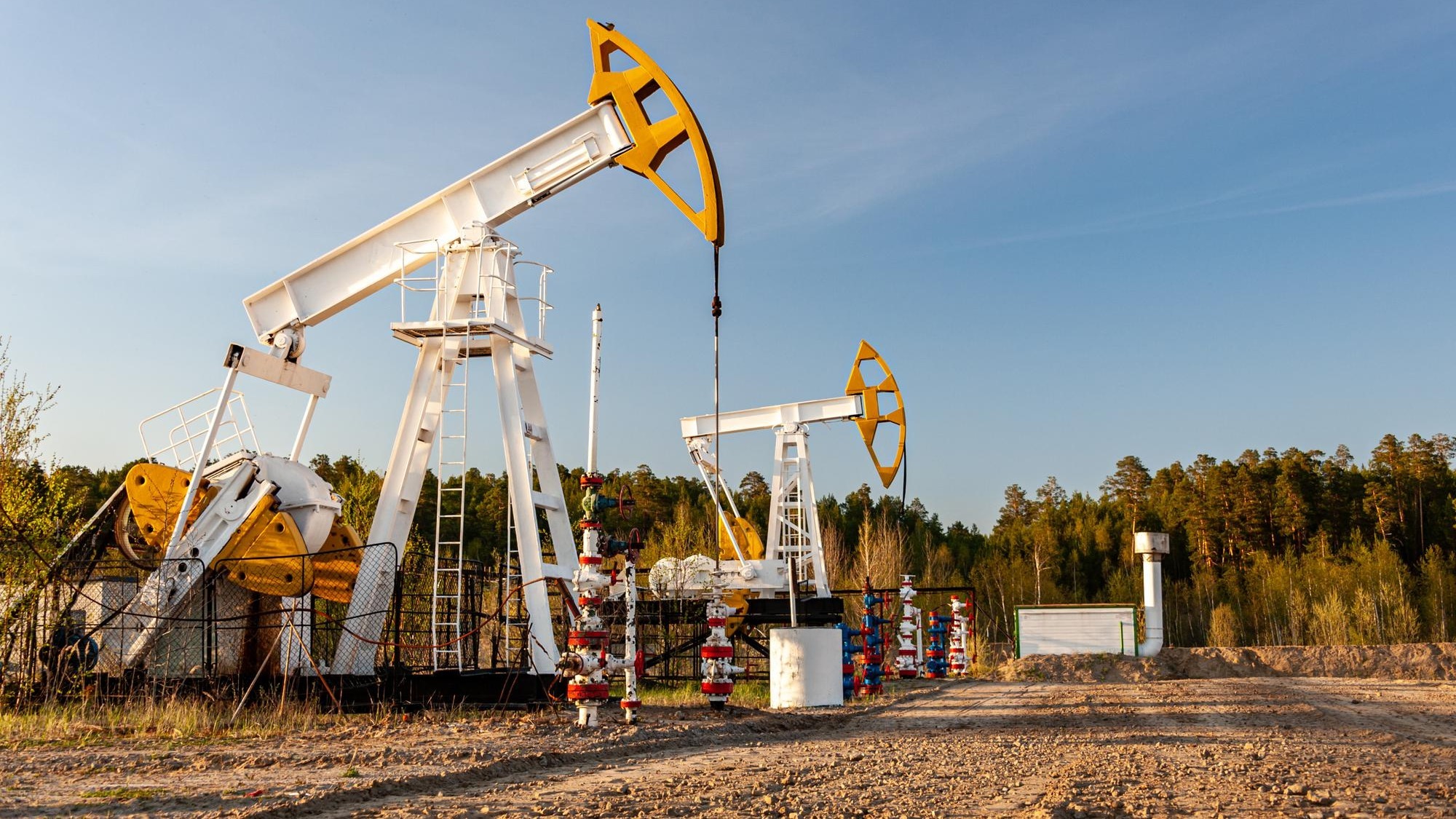
Abu Dhabi National Oil Company, known as ADNOC, has poured tens of billions of dollars into expanding its production infrastructure. The company has publicly stated a capacity target of 5 million barrels per day by 2027, a figure widely cited by outlets including Reuters and the U.S. Energy Information Administration. Under OPEC’s quota framework, the UAE has been producing well below that ceiling, roughly 3.2 million barrels per day according to recent OPEC secondary-source estimates, effectively leaving revenue stranded while rivals outside the cartel, including the United States, pumped at record levels.
The frustration has a precedent. Qatar left OPEC in January 2019 after its own disputes with the group, though Qatar’s departure barely registered in oil markets because its crude output was modest compared to its natural gas dominance. A UAE exit would land differently. At 3.2 million barrels per day, the UAE ranks among the world’s top ten producers, and ADNOC’s spare capacity gives it room to add meaningful supply quickly.
What it could mean for U.S. gasoline prices
The Energy Information Administration’s Short-Term Energy Outlook for spring 2026 projected that gasoline prices would follow their typical seasonal pattern: climbing through late spring before easing in the second half of the year. The April 2025 edition of the same report had pegged Brent crude at roughly $68 per barrel on average, and the 2026 outlook remains highly scenario-dependent, shaped by demand trends in China and Europe, geopolitical risks, and production decisions by major exporters.
A handful of Wall Street energy desks have floated a spring gasoline peak near $4.30 per gallon nationally, but that figure sits at the aggressive end of the range and has not been attributed to a named firm in public reporting. The national average has not touched $4.30 since the summer of 2022, and reaching it again would require a combination of strong seasonal demand, elevated crude prices, and tight refinery margins. For most households, a more moderate spring increase is the likelier outcome.
If ADNOC ramps output toward its capacity targets after a departure, the additional barrels would land in a global market where inventories have already been rebuilding. More supply, all else equal, pushes crude benchmarks lower, and crude costs account for roughly half of what Americans pay at the pump. A faster-than-expected supply increase from the UAE could steepen any second-half price decline that EIA models already anticipate.
“We are watching the UAE situation very closely because it could reshape the supply curve for the back half of the year,” one Houston-based fuel distributor told customers in an April 2026 pricing memo, reflecting the uncertainty rippling through the supply chain from refiners down to independent gas station operators.
But the path from a barrel of crude leaving the Persian Gulf to the price on a gas station sign in suburban Ohio is never a straight line. Refinery margins, regional fuel-blend requirements, pipeline logistics, and state taxes all add layers between global oil prices and local pump prices. A $5-per-barrel drop in Brent does not automatically translate into a nickel-per-gallon savings at the corner station, at least not right away.
The OPEC+ wild card
Leaving OPEC would not automatically pull the UAE out of OPEC+, the broader alliance that includes Russia and other non-member producers. How that relationship evolves would determine the real supply impact. If the UAE stays loosely coordinated with the wider group, production increases may be more measured than the headline suggests. If Abu Dhabi charts a fully independent course, additional barrels could reach the market faster.
Saudi Arabia, OPEC’s de facto leader, has historically responded to supply threats by adjusting its own output to defend price floors. Riyadh could offset some or all of the UAE’s additional barrels by trimming Saudi production, which would blunt the benefit for consumers. But that trade-off means sacrificing market share, a move that has proven politically painful in past price wars. The most dramatic example came in early 2020, when a Saudi-Russia standoff briefly sent oil prices into negative territory.
Other OPEC members, many of whom depend on oil revenue to fund government budgets that are already under strain, would be watching closely. If the UAE’s departure emboldens other quota-frustrated producers to push for higher ceilings or weigh their own exits, the cartel’s ability to manage global supply could weaken further. That scenario would be broadly bearish for oil prices and, by extension, supportive of lower gasoline costs for American consumers.
What remains unconfirmed
Several critical pieces of the picture are still missing. No official UAE government or ADNOC statement has confirmed a formal OPEC exit date, and the scenario remains unverified by multiple independent sources as of late April 2026. ADNOC has not published a post-exit production schedule, so analysts are working from capacity estimates rather than firm output commitments. The company’s 5-million-barrel-per-day target is an investment goal, not a guaranteed production level. Infrastructure constraints, maintenance windows, or a sharper-than-expected drop in global demand, particularly from China, whose economic recovery has disappointed forecasters repeatedly, could slow any ramp.
Updated EIA scenario modeling that accounts for a potential UAE departure has not yet been released. Without it, precise estimates of the dollar-per-barrel impact on Brent or West Texas Intermediate remain speculative. Options markets and refinery crack spreads will offer early signals, but a clear picture will take weeks to develop after any formal announcement.
U.S. domestic production adds another variable. The United States remains the world’s largest oil producer, and the pace of American drilling activity, shaped by federal energy policy, capital discipline among shale operators, and pipeline capacity, will interact with any changes in OPEC supply to determine the net effect on global balances.
How a potential UAE exit shapes the rest of 2026 at the pump
For households budgeting around fuel costs, the near-term outlook has not shifted dramatically. Spring gasoline prices will likely rise seasonally, as they do most years, though whether they approach the high-end scenarios some forecasters have floated depends on variables that remain in flux. What has changed is the balance of risks for the months that follow. A confirmed UAE exit would tilt the probability toward lower crude prices in the second half of 2026, assuming additional supply reaches the market and OPEC does not fully offset it with cuts elsewhere.
For families like those in the Houston suburbs or the rural Midwest, where long commutes make fuel a significant household expense, even a modest decline in gasoline prices during the second half of the year would offer real relief after several springs of elevated costs.
That said, the same forces that have whipsawed gasoline prices in recent years, from geopolitical flare-ups in the Middle East to hurricane-season refinery disruptions along the Gulf Coast to unexpected demand surges, can still overpower any single supply-side development. A UAE departure from OPEC would represent a meaningful structural shift in how global oil supply is managed, but it would not, on its own, guarantee cheap gas. Drivers planning summer road trips should keep an eye on the EIA’s monthly outlooks and weekly gasoline price reports, which will be the first official data to reflect any new market reality as it unfolds.