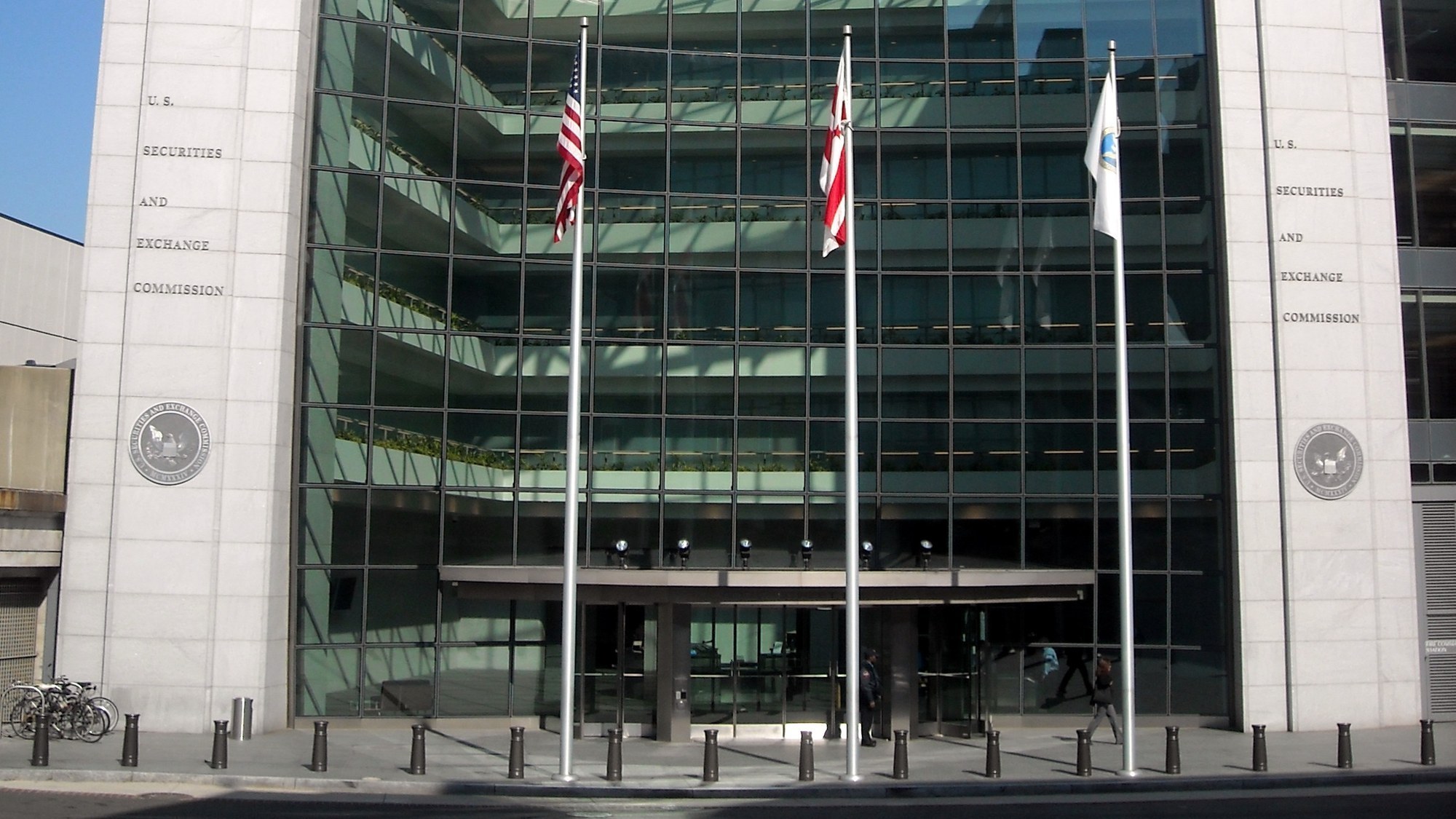
The Securities and Exchange Commission filed a civil complaint on Sept. 23, 2026 against Michael D. Williams of Port St. Lucie, Florida, and his company, CMI Capital LLC, which also did business as Check Mate Investments. The SEC alleges that the two raised about $860,000 from at least 18 investors, many of them current or retired South Florida law enforcement officers, and that Williams has repaid more than $375,000. Every claim below is an allegation by the SEC, and neither defendant has been found liable by a court.
What the SEC filed in the Southern District of Florida
The agency announced the case in press release 2026-92, and the complaint was filed in the U.S. District Court for the Southern District of Florida. It accuses Williams and CMI Capital of violating the antifraud provisions of the Securities Act of 1933, the Securities Exchange Act of 1934 and the Investment Advisers Act of 1940, along with registration provisions of the 1933 law. According to the SEC, the alleged conduct ran from October 2023 through August 2024.
A complaint is the start of a case, not the end of one. The SEC is asking the court to decide whether the violations occurred, and the release reports no ruling on that question. Until a judge or a settlement says otherwise, the account of what Williams and CMI Capital did rests on what the SEC says it can prove.
A claimed $5 million portfolio and returns “surpassing 140 percent”
The SEC alleges that investors were told the portfolio was worth more than $5 million and that returns were surpassing 140 percent. The agency says those claims were backed with images rather than statements. “We allege that one of the tactics the defendants used to trick investors was to send them cropped screenshots of graphics that showed exorbitant trading profits,” said Stephanie N. Moot, director of the SEC’s Miami Regional Office, in the release.
Investor.gov, the SEC’s investor-education site, lists several traits of investment fraud that overlap with what the complaint describes. Its page on Ponzi schemes flags “high returns with little or no risk,” “overly consistent returns” and account statement errors as warning signs, and notes that trouble often surfaces when investors try to cash out. The SEC has not called this case a Ponzi scheme. The page is useful here as a plain list of the claims that deserve documents before money moves.
About $384,000 alleged misappropriated, and more than $375,000 repaid
The SEC puts the alleged misappropriation at about $384,000 of the roughly $860,000 raised. It says Williams began repaying investors in August 2024 and has repaid more than $375,000 in total. That repayment total is the SEC’s figure as of the filing date, so it can change as the case proceeds.
Repayment does not end a securities case. The SEC’s release says it is seeking a permanent injunction against the charged violations, disgorgement of ill-gotten gains with prejudgment interest, civil penalties and an associational bar against Williams. The dollar amounts of disgorgement and penalties are not set in the release. A court would decide them only if the SEC prevails or the parties settle.
Why a group defined by profession makes a familiar target
The SEC’s description of the victims, many current or retired law enforcement officers in South Florida, places the case in territory that Investor.gov has a name for. Its page on investment scams that target groups says such scams aim at “identifiable groups, such as older investors, or religious or military communities,” and that the promoters often are, or pretend to be, group members and may enlist respected leaders to spread the word.
That page lists pressure to keep an investment secret, guaranteed or spectacular returns with minimal risk, reluctance to provide written documentation and “once-in-a-lifetime” framing among the warning signs. It also advises against relying solely on a fellow group member’s recommendation, especially online. Retirees who belong to tight professional or fraternal circles are the readers for whom that advice matters most, because a shared background can stand in for the paperwork that would otherwise be demanded.
Verifying a seller first and reporting one afterward
The same Investor.gov page tells investors to research an investment professional’s background with its free lookup tool and to check for licensing, complaints and disciplinary actions before committing funds. The SEC’s release does not say whether the investors in this case ran such a check, and no conclusion should be drawn about them from the complaint.
Anyone who suspects an investment offer is fraudulent can tell the agency directly. The SEC’s Tips, Complaints and Referrals portal accepts submissions from the public, whistleblowers and non-whistleblowers alike, and issues a tracking number for each one. The portal lists Ponzi schemes, unregistered securities sales and theft of funds among the violations it takes reports on.
The complaint itself is the controlling record for what the SEC alleges. It seeks the injunction, disgorgement, penalties and bar described in the release, and it remains an accusation until the Southern District of Florida rules on it.
Freezing credit and logging a fraudulent transfer
People who hand money or account details to someone posing as an adviser usually discover it long after the transfer clears, and the first steps are a credit freeze at each bureau and a written record of every payment. Both are free, and both are easy to do out of order or leave half finished.
The Senior Fraud Defense & First-Hour Recovery Kit pairs the free credit-freeze steps with a fraud evidence and report log, so each bureau is covered and every transfer and contact is written down as it happens.
Grab The Senior Fraud Defense & First-Hour Recovery Kit and its credit-freeze steps →
This article was produced with AI assistance and checked against the primary sources linked above.