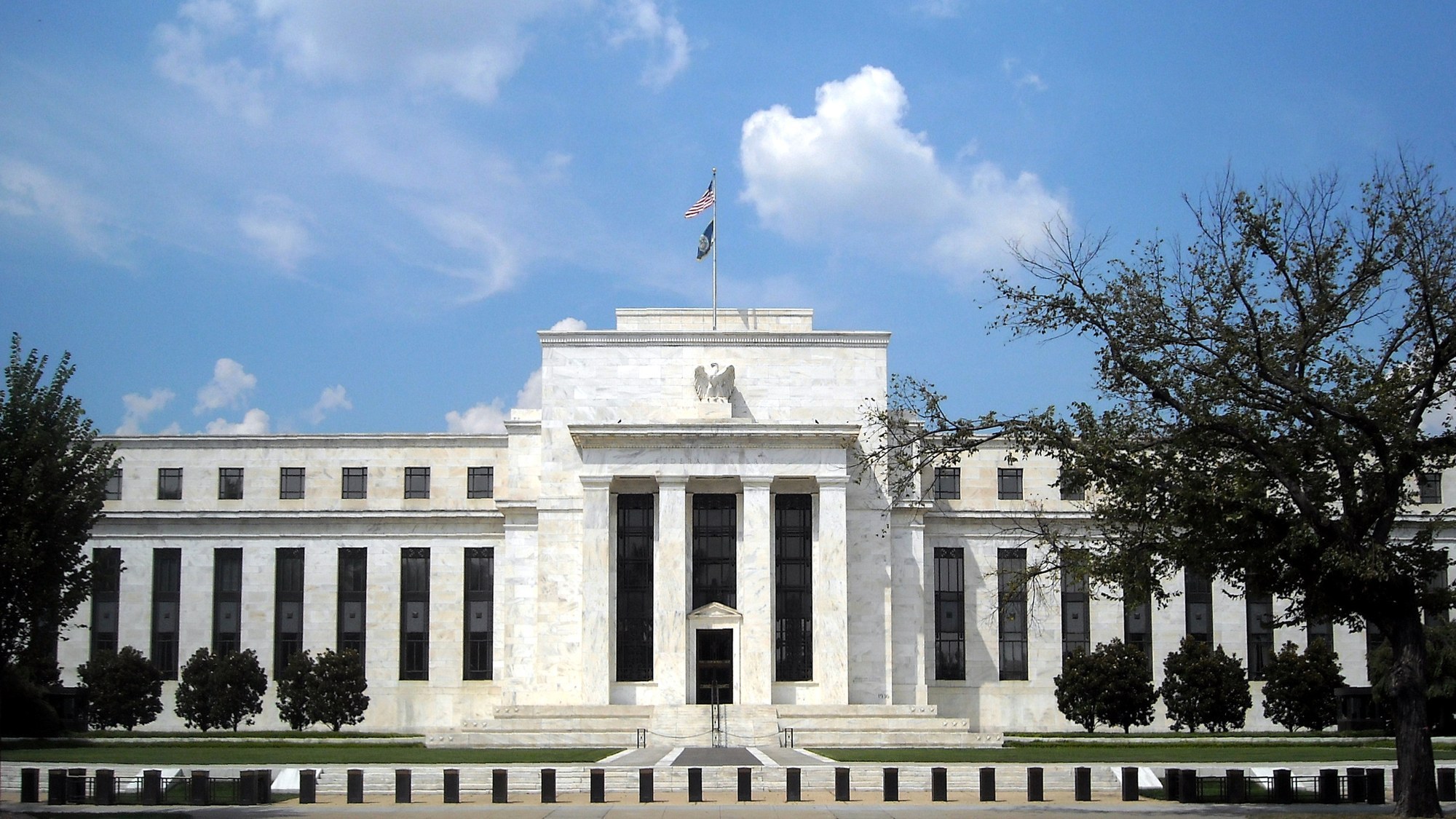
The Federal Reserve, the Federal Deposit Insurance Corporation and the Office of the Comptroller of the Currency have raised the size limit for banks that qualify for a longer gap between on-site examinations. Banks with up to $6 billion in assets, double the previous $3 billion threshold, can now be examined every 18 months instead of every 12, provided they meet supervisory conditions. The change took effect when the rule was published in the Federal Register on September 14, 2026.
For depositors, including retirees whose savings sit in community banks and small regional lenders, the rule changes how often examiners walk through a bank, not what a deposit account is or how it is protected.
The $6 billion threshold and the 18-month cycle
Under the joint action, the asset ceiling for the extended examination cycle moves from $3 billion to $6 billion, according to the agencies’ September 10 announcement. The release describes the effect as extending the exam cycle for small, non-complex firms from 12 months to 18 months. The agencies say the extended cycle applies to small banks with relatively low-risk profiles.
The change implements the 21st Century ROAD to Housing Act, which required the agencies to act. The adjustment amends the framework in 12 U.S.C. 1820(d), the section of federal law that sets examination frequency for insured depository institutions.
The longer cycle is not automatic for every bank under the line. An institution must be well capitalized and well managed, and the Federal Register document adds further conditions: a composite condition rating of outstanding or good at the most recent exam, no formal enforcement proceeding or order pending, and no change in control during the preceding 12 months. A bank that falls short of any of them stays on the 12-month schedule.
An interim final rule, in effect now, with comments open
The measure is an interim final rule, not a proposal and not a permanent final rule. It became effective on publication on September 14, 2026, so the 18-month cycle is available to eligible banks today. The agencies are nonetheless taking public comment for 30 days, with comments due October 14, 2026.
The Federal Register document estimates that about 188 additional banks and savings associations become eligible: roughly 95 supervised by the FDIC, 50 by the OCC and 43 by the Federal Reserve. About 19 U.S. branches and agencies of foreign banks are also covered by parallel changes. Which individual banks will actually move to the longer cycle depends on each institution meeting the conditions above, and the sources name no individual banks.
Agency staff named in the Federal Register notice as contacts for questions include Anthony Cain, a senior adviser at the Federal Reserve Board; Suzanne Clair, an associate director in the FDIC’s Division of Risk Management Supervision; and Kimberly Folk Pratt, an acting assistant director at the OCC. The notice attributes no direct quotations to any of them.
What a bank examination is, and what stays in place between them
A bank examination is a supervisory review carried out on site by agency examiners, and the ratings it produces are what decide whether a bank qualifies for the longer cycle. It is a check on how a bank is run, not a guarantee that a bank will never have problems, and it is separate from the rules that govern deposit insurance coverage.
The rule does not touch deposit insurance. The Federal Register document refers to the FDIC’s authority under the Federal Deposit Insurance Act but makes no statement changing coverage, and nothing in the agencies’ release suggests that insured deposits are less protected because of a longer cycle.
The agencies also say supervision continues between visits. In the release they state that they would continue the current supervisory practice of offsite monitoring between scheduled exams. The Federal Register document adds that the agencies will continue off-site monitoring designed to identify new or increasing risks, which often includes analyses built on banks’ quarterly Call Reports. The 18-month cycle therefore lengthens the interval between on-site visits at eligible banks while leaving that remote surveillance in place.
A statute that reaches beyond examinations
The 21st Century ROAD to Housing Act is also behind a separate FDIC rulemaking on reciprocal deposits, published in the Federal Register on September 1, 2026, which implements the same law in a different area of banking. The exam-cycle change is narrower: it adjusts timing for smaller, well-rated institutions and leaves the statute’s other provisions to their own rulemakings.
For anyone holding money at a bank near the $6 billion line, the practical points are modest. The institution’s regulator, not the customer, determines whether it qualifies for the longer cycle, and the comment window running to October 14, 2026 is the formal stage at which the public can weigh in on the interim rule. The Federal Reserve’s release remains the agencies’ own record of what was decided, and the Federal Register notice carries the full rule text and the contact staff for questions.
Longer exam cycles at the banks that hold household deposits
The Bank Account & Debt Protection Kit is for account holders who want a plan in place before a problem reaches their own checking or savings account, such as a frozen balance, a collector’s letter or a disputed charge. It is a practical organizer for the paperwork a bank or creditor dispute tends to demand.
The Bank Account & Debt Protection Kit includes the 2-month bank protection rule, the debt-validation steps, the frozen-account response and a protected-funds and dispute log.
Open the 2-month bank protection rule and the frozen-account response →
This article was produced with AI assistance and checked against the primary sources linked above.