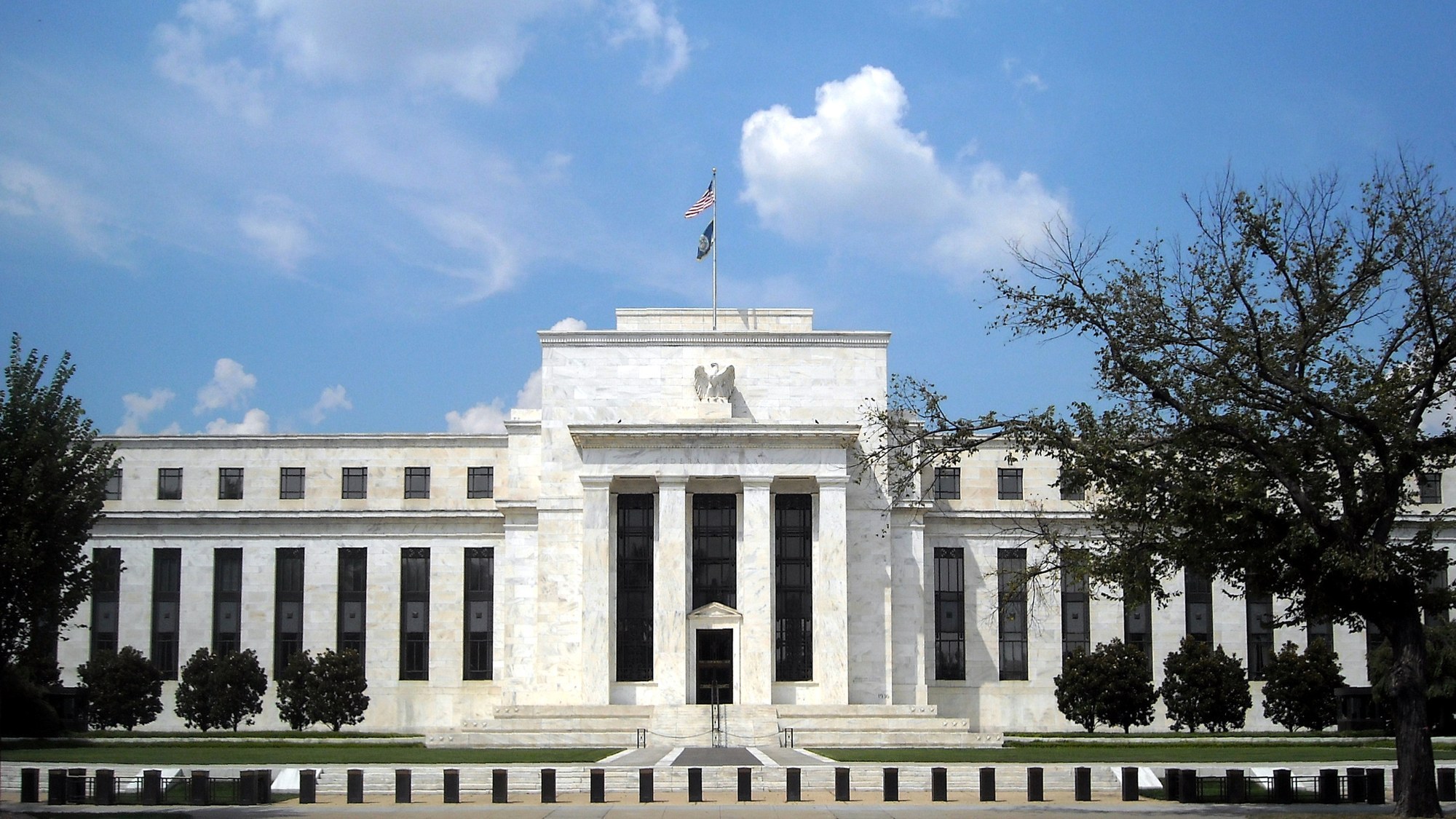
The Federal Reserve Board finalized two rules on Sept. 30 that change how the annual bank stress test is run and how its results set capital requirements for large banks. The Board says the changes are likely to reduce year-over-year volatility in those requirements by approximately 50 percent. It also says they are not expected to materially affect aggregate capital requirements, meaning the total cushion across the system is not meant to shrink or grow.
For retirees, the connection is indirect but real. The stress test measures whether the largest banks, which hold millions of checking, savings and certificate-of-deposit balances, carry enough loss-absorbing capital to get through a severe downturn. The rewrite changes how that capital is calculated and how steadily it moves from year to year.
Two final rules, one aim: more transparency and steadier results
The Board’s Sept. 30 announcement describes two separate final rules. The first requires annual public input on stress test scenarios and on changes to the models the Fed uses. It also updates the framework for designing scenarios, adopts updated models for the 2027 stress test and adjusts the stress test calendar. The release adds that each year’s test will use two global market shock components, applying whichever produces the largest losses for each firm.
The second rule changes how a bank’s stress capital buffer is set. For firms tested in two consecutive years, the buffer will become the average of the results from the two most recent annual supervisory stress tests. The averaging begins in 2028. It is a future effective date, so buffers set under the current approach remain what applies today, and nothing about the averaging is in force yet.
The stress capital buffer is the extra layer of capital a large bank must hold on top of its minimum requirements, and it is derived from stress test results. Under the current approach a single year’s result drives it. That is the source of the swings the Board wants to dampen: a bad scenario or a model change in one year can move a bank’s requirement sharply, even if the bank itself has changed little.
Michelle Bowman on what the changes are meant to do
Vice Chair for Supervision Michelle W. Bowman framed the package around the credibility of the test itself. “The stress test is an essential component of our regulatory capital framework,” Bowman said in the Board’s release. She added that the changes “preserve its resilience by ensuring that it is transparent, granular, and risk-sensitive,” and that the public “will now have greater assurance that the risks banks take will be reflected appropriately in their stress test losses and their capital requirements.”
The release as published does not include a tally of individual Board votes, so none is reported here. Its attribution is institutional and from Bowman, the Fed’s supervision chief, rather than from a recorded vote count.
What “halve” does and does not mean
The headline figure is the Fed’s own estimate, not an outside finding. The release says the two changes together are “likely to reduce year-over-year volatility in capital requirements by approximately 50 percent.” Three limits on that statement matter.
First, it is a forecast from the agency that wrote the rules, expressed as an approximation and as something “likely,” not a measured result. No bank has yet been through a full cycle under the averaging rule, which does not begin until 2028. Second, it concerns swings in the capital requirement, meaning how much the required buffer moves from one year to the next. It is not a claim that banks will hold half as much capital, or that their risk is cut in half. Third, the Board separately says the changes are not expected to materially affect aggregate capital requirements, so the point is smoother year-to-year movement rather than a higher or lower overall level.
Smoother requirements have practical effects for banks. A buffer that jumps in one year and falls in the next makes it harder to plan dividends, buybacks and lending. Predictability is the Fed’s stated target here, and public comment on scenarios and models is intended to make the test less of a surprise as well.
Where the public comment fits in
The first rule opens a channel that did not exist in this form. Under it, the scenarios and the models used to project bank losses go out for annual public comment. The release also notes a 60-day comment period, counted from publication in the Federal Register, for a proposal on the noninterest income model. Banks, researchers and the public can therefore weigh in before the numbers are locked, which is what the Fed means by greater public accountability.
The Board paired the stress test announcement with other supervisory work in the same week. A separate resolution-plan release appeared on Sept. 29, and the Board’s 2026 press release index confirms the Sept. 30 date of the stress test action.
What the rewrite means for people who hold bank deposits
The Board’s release is about capital requirements, the cushion of shareholder-funded capital that stands behind a large bank’s assets and deposits. It does not address deposit insurance, and nothing in it changes how much of an account is insured or how insurance works. Any claim of an effect on insured deposits would go beyond what the Fed said.
The money angle is narrower. A more predictable capital requirement is meant to make large banks steadier in how they plan, lend and pay out capital, and the Fed says the overall level of required capital is not materially changed. Whether that proves out will not be visible until the averaging starts in 2028, and the 2027 test will be the first to use the updated models.
The Board’s own wording, in its Sept. 30 release, remains the controlling record for every figure above: the approximately 50 percent volatility estimate, the 2028 start and the statement on aggregate capital requirements.
Capital rules sit above the deposits, and account safeguards sit with the depositor
This kit is for people who keep their savings and income in bank accounts and want to know what to do if a balance is frozen, a debt collector calls or a transaction goes wrong. Those problems happen at the level of an individual account, whatever the bank’s capital rules say.
The Bank Account & Debt Protection Kit pairs the debt-validation steps with the 2-month bank protection rule, so a household can see what a collector has to prove and which deposits a creditor cannot reach.
Open the Bank Account & Debt Protection Kit to see the frozen-account steps and dispute log →
This article was produced with AI assistance and checked against the primary sources linked above.