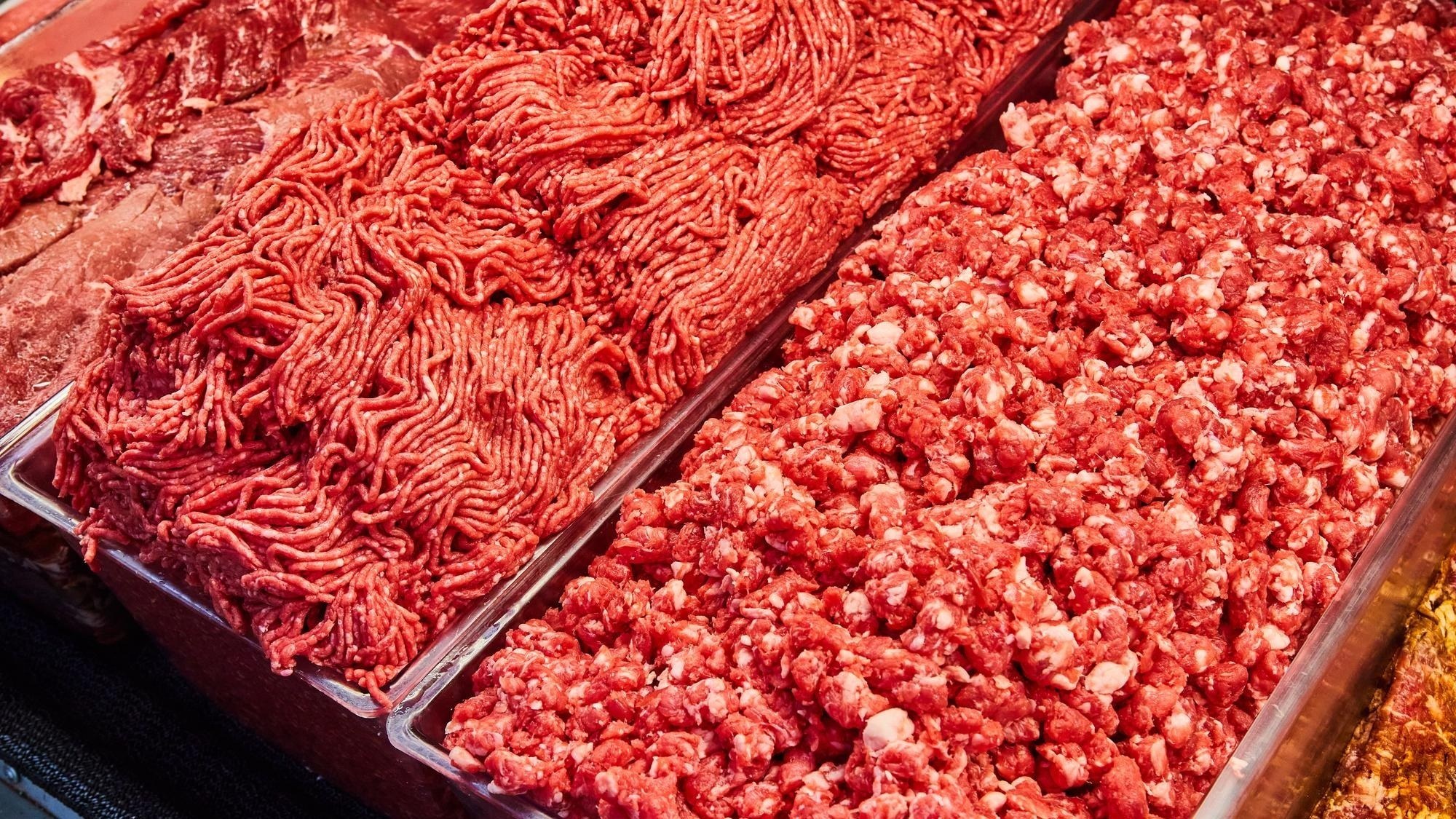
A second block of 100,000 metric tons of lean beef trimmings became eligible for entry at the in-quota duty on October 1, the middle of three monthly windows that together add 300,000 metric tons to the 2026 quota. The aim, stated in the August 26 proclamation, is cheaper ground beef at the grocery store, a goal that matters to households already watching beef prices run well ahead of other food. The proclamation calls the discount an expectation, and the latest federal price data, which run through August, predate the first window.
Whether trimmings arriving at a lower duty reach the meat case at a lower price is the open question, and the evidence on it comes from the proclamation, the Department of Agriculture and two industry economists.
Three windows of 100,000 tons run to November 30
The August 26 proclamation adds 300,000 metric tons to the in-quota quantity for lean beef trimmings in calendar 2026, released in three equal blocks and allocated in its entirety to “other countries or areas.” The first block ran September 1 to 30. The second runs October 1 to 30. The third runs October 31 to November 30. Entries are handled on a first-come, first-served basis, so a block can fill before its window closes.
The step follows an earlier one. A February 6 proclamation, the same document records, raised Argentina’s lean beef trimmings quota by 80,000 metric tons. The new quantity sits on top of that increase and is not tied to a single supplier country.
A discount stated as an expectation
The proclamation does not claim a price drop has happened. Its words are: “I anticipate that the action taken in this proclamation will result in the importation of ground beef that will be sold at a discounted price compared to current sale prices, helping to ensure hard-working Americans can afford to feed themselves and their families.”
It includes a check on that expectation. If the Secretary of Agriculture and the U.S. Trade Representative determine that imports entering under the increased quantity are not being sold at a price 25 percent below the market price for lean beef trimmings, they must notify the President immediately. The test is applied to trimmings, the raw material for grinding, and not to the packages that shoppers see.
The beef prices the quota is meant to ease
The proclamation cites drought and wildfire conditions, the smallest U.S. cattle herd in 75 years and a Department of Agriculture forecast of a 4 percent decline in beef output. The Agriculture Department’s Economic Research Service, in its Food Price Outlook updated September 25, reported that beef and veal prices were 5.9 percent higher in August 2026 than in August 2025. It forecasts a 9.4 percent rise for 2026 as a whole, within a range of 7.4 to 11.6 percent, and notes federally inspected beef production about 2 percent lower year over year.
By comparison, the same outlook forecasts food-at-home prices up 2.4 percent in 2026 and all food up 2.9 percent. Beef is rising faster than the grocery basket as a whole, which is why a single product line has drawn its own proclamation. The outlook does not mention ground beef, tariffs or imports, so it measures the problem and says nothing on the remedy.
Frozen trimmings and the fresh ground beef case
Industry voices doubt how directly the quota reaches shoppers. In an August 28 analysis in Beef Magazine, Altin Kalo, head economist at Steiner Consulting Group, said imported beef “already is trading at a steep discount” and that “the out-of-quota tariff has not been an issue for importers to this point as a record amount is being imported.” He added that many grocery stores use only fresh ground beef in the meat case, while almost all beef used for grinding from Australia or Brazil is frozen, with a large portion going to food service operations, mostly fast-food companies.
Colin Woodall, chief executive of the National Cattlemen’s Beef Association, criticized the approach, saying market interventions of this kind “throw cold water on the prospect of herd expansion and sacrifice long-term stability for short term messaging.”
Taken together, the sources describe a quota that can lower the entry cost of grinding material while leaving open how much of that saving reaches a package in the refrigerated case. The proclamation’s own measure of success is the 25 percent price gap that the Agriculture Secretary and the Trade Representative must check on trimmings entering under the added quantity.
Household-cost help that runs on separate calendars
The Senior Property Tax & Home-Cost Relief Kit is written for older homeowners and renters who are watching monthly costs rise and want the relief programs available to them in one place. It addresses the problem that property-tax relief, utility help and home-repair assistance each run through a different office with a different application window.
The Senior Property Tax & Home-Cost Relief Kit includes the 5 kinds of property-tax relief and the circuit-breaker credit that includes renters, laid out so the programs can be compared side by side.
Get the five kinds of property-tax relief in one place →
This article was drafted with AI assistance from the cited official sources and checked against them before publication.