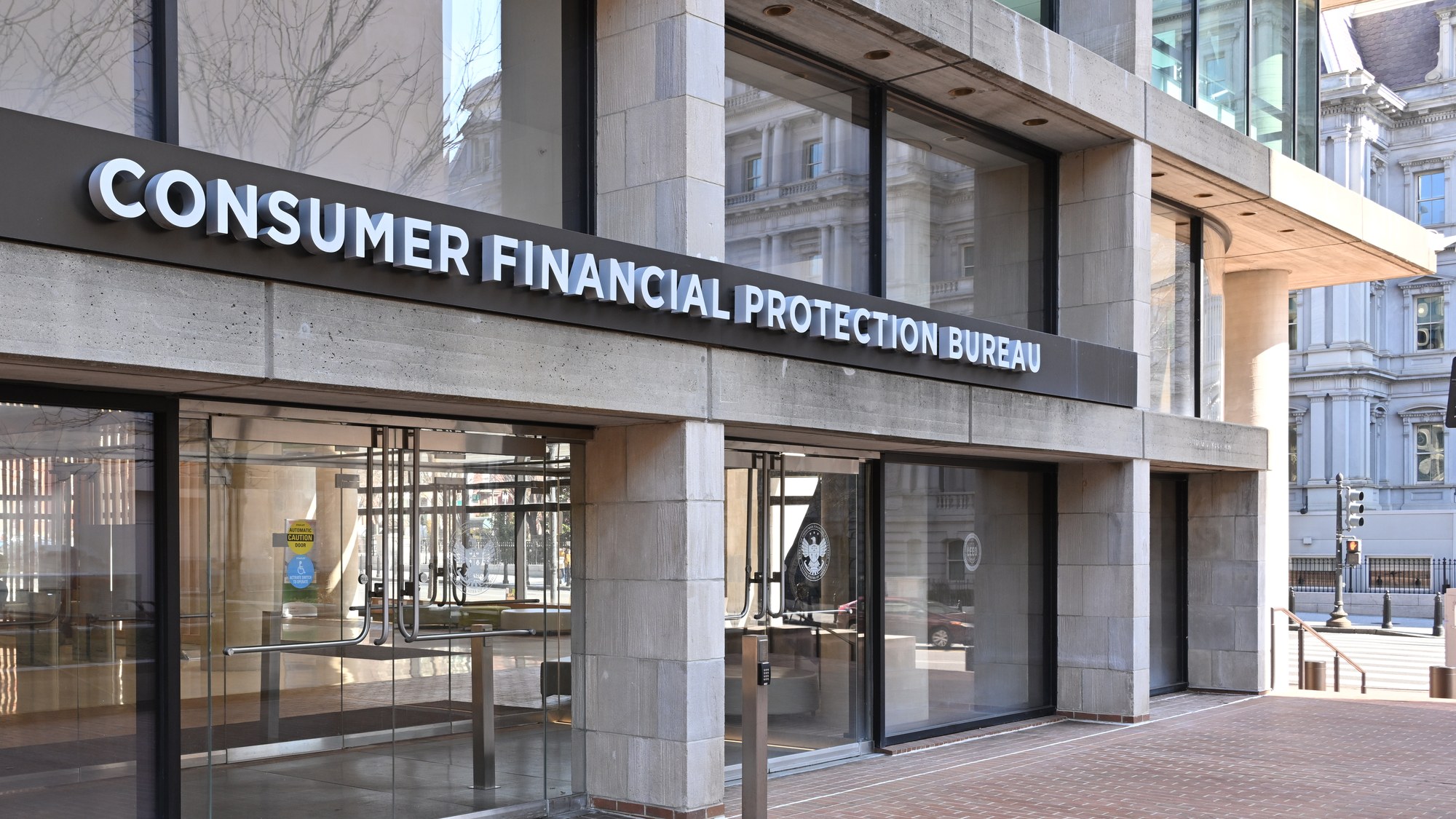
The Consumer Financial Protection Bureau announced on August 14, 2026 that it would cease the discretionary publication of consumer complaint narratives and data visualizations in its Consumer Complaint Database. The narratives were the written accounts in which consumers described, in their own words, what went wrong with a bank, lender or other financial company.
The bureau says consumers can still file complaints and that it will keep collecting and monitoring them. What changed is whether the narrative text is posted for the public to read.
What the August 14 release says stopped
The CFPB release, “The CFPB to Cease Discretionary Publication of Complaint Narratives and Visualizations,” says the bureau is discontinuing publication of unverified consumer complaint narratives and the associated data visualizations. It says the policy took effect immediately, as of August 14, 2026.
The bureau gave its reasoning in the release: complaint narratives “reflect negative consumer experiences and present only one side of an issue,” and publishing unverified allegations risks confusing consumers and causing reputational harm to companies. The release is issued in the bureau’s own name, with no individual official quoted in the text read for this report.
The release title itself calls the publication discretionary, and the change applies to narratives and visualizations, not to the underlying complaint records that the bureau collects.
What the bureau says continues
According to the same release, the database remains operational for collecting complaints and for access to verified data. Consumers can still submit complaints, the bureau will continue to monitor them, and it will maintain its practice of reviewing how well companies respond. It also says it will keep sharing complaint information with regulators and other agencies as required.
The release says previously published narratives are being transferred to the bureau’s FOIA Reading Room for public access, rather than being deleted. The release as read does not say how long the transfer will take, whether every narrative will be included or how the Reading Room will be searched.
The scope is narrower than a closure of the database. The release does not say the database itself has closed, and it does not say that complaint filing, company responses or the sharing of data with regulators has ended. It names two things that stopped: narratives and visualizations.
How filing a complaint works, and what it costs
The bureau’s complaint submission page says a complaint can be filed online in about 7 to 10 minutes or by phone in about 25 to 30 minutes, and that there is no cost to submit one. The bureau routes the complaint to the company for review and response. It says most companies respond within 15 days, and some may report that a response is in progress and give a final answer within 60 days.
That page also says the bureau retains complaints for 25 years under federal records requirements. It still describes the bureau as publishing information about a complaint in the public database, wording that does not mention the August 14 change, so the August 14 release is the controlling statement on narratives.
The company-response obligation described there is separate from publication. The August 14 release says the bureau will continue reviewing how well companies respond, which is the process that produces a company answer to the complainant whether or not a narrative is ever posted.
What the public database still publishes
The bureau’s Consumer Complaint Database page states that only complaints sent to companies for response are eligible to be published, and only after the company responds, confirms a commercial relationship, or 15 days pass, whichever comes first. It also says 98 percent of complaints sent to companies get timely responses. That page does not mention narratives, so the August 14 release is the source for the change in what is posted.
The practical consequence falls on people who use the database to research a bank or lender before opening an account or taking a loan. The structured data the bureau calls verified remains available, but the first-hand narratives that gave the numbers context are no longer being added, and those already published are moving to the Reading Room.
What the release leaves unanswered
The release as read does not say whether narratives from complaints filed after August 14 will appear anywhere, including the Reading Room, or whether consumers are told at the time of filing that their written account will stay unpublished. The complaint submission page read for this report does not carry such a notice. No fee, penalty or deadline attaches to the change, and filing a complaint remains free.
The bureau’s stated rationale, that narratives show one side of an issue, is the only reason the release gives. It cites no new rule or court order, and the newsroom listing read for this report shows the change as a press release dated August 14, 2026.
Frozen accounts and debt collectors, covered in a 10-page kit
The Bank Account & Debt Protection Kit is for people whose bank account has been frozen or who are being contacted by a debt collector and need to know what to say and what to keep on record. It covers the paperwork side of those fights, so a response does not have to be improvised.
The Bank Account & Debt Protection Kit is a 10-page kit that includes the 2-month bank protection rule, the debt-validation steps, the frozen-account response and a protected-funds and dispute log.
Open the kit with the debt-validation steps and dispute log →
Drafting help for this article came from an AI model working only from the CFPB pages linked above, and each statement was checked against those pages.