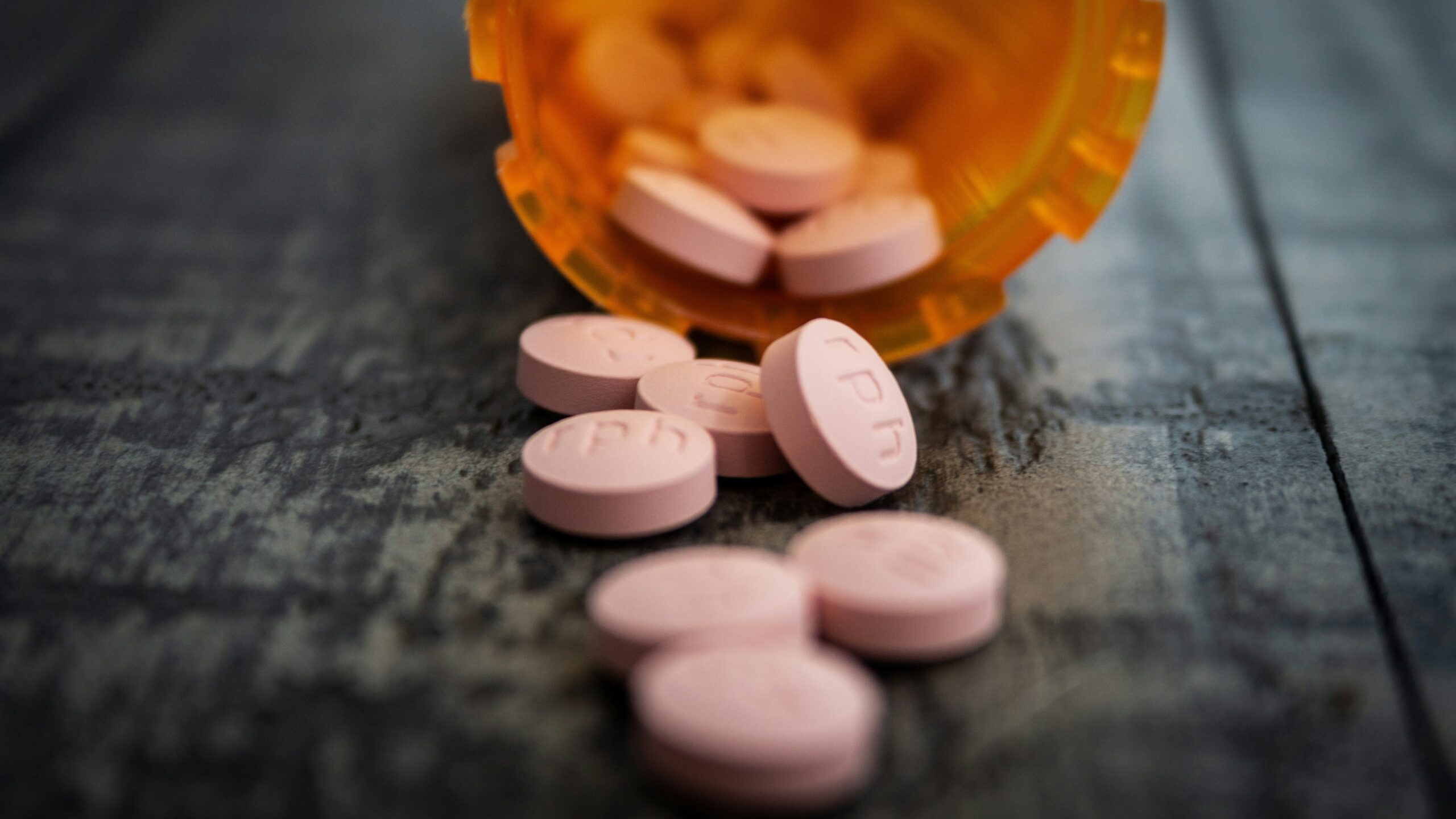
Five meatpackers and pork processors have put $117,065,000 on the table to settle claims that they conspired to fix pork prices, and the window for grocery-store buyers to file for a share closes on October 29, 2026. The settlements cover pork bought for personal consumption between June 28, 2014 and June 30, 2018 in 23 states and the District of Columbia. The court-approved legal notice was published on August 28.
The deadline is a postmark-or-submission cutoff, not a target date. The notice says claims must be “submitted or postmarked by” October 29, and the same date applies to anyone who wants to opt out or object. After that, the five defendant settlements go to the U.S. District Court for the District of Minnesota for a final approval hearing on December 10, 2026.
The 24 jurisdictions and the grocery-store test
The notice lists 24 jurisdictions: Arizona, California, the District of Columbia, Florida, Hawaii, Illinois, Iowa, Kansas, Maine, Michigan, Minnesota, Missouri, Nebraska, Nevada, New Hampshire, New Mexico, New York, North Carolina, North Dakota, Rhode Island, South Carolina, Tennessee, Utah and West Virginia. That is 23 states plus D.C. States missing from that list are not named in the notice.
The question for a shopper is therefore two-part: did the purchase happen in one of those places, and was it between June 28, 2014 and June 30, 2018? The notice defines “personal consumption” narrowly. The pork must not have been bought directly from one of the defendants. It was bought at a grocery store or supermarket. Shoppers who bought pork that way in a listed jurisdiction during those four years are the people the notice describes.
For shoppers who have the notice in front of them and want help reading its dates, The Settlement & Refund Recovery System includes the four-date rule for reading a settlement notice and a step-by-step filing walkthrough.
Check the pork settlement claim window →
Where the $117,065,000 comes from
The total is the sum of five separate settlements, and the notice itemizes each: Tyson $85,000,000, Clemens $13,500,000, Seaboard $10,000,000, Hormel $4,465,000 and Triumph $4,100,000. Tyson alone accounts for roughly 73 percent of the fund. Those five figures add to exactly $117,065,000, the number in the headline, so no rounding or estimate is involved.
Two other defendants sit outside that total. A separate claims process for JBS and Smithfield has already ended: the administrator’s settlement website says the claim deadline for those two “passed on April 22, 2026.” Agri Stats settled for non-monetary relief only, according to the notice, so it produces no cash payments. A shopper who sees “pork settlement” referenced elsewhere may be looking at the closed JBS and Smithfield deadline, which is why the administrator’s hub separates the two groups.
Pro rata payments and the December 10 hearing
Cash payments, as the notice describes them, are pro rata, meaning proportional to how much pork a claimant bought. A household that documented larger purchases within the class period would receive a larger share of the net fund than one with smaller purchases, and the final amount per claimant depends on how many valid claims arrive. The notice does not publish a per-person figure, and neither does the administrator’s landing page, so any dollar estimate circulating online is a guess rather than a figure from the court or the administrator.
Money does not move until the court rules. The December 10, 2026 hearing in the District of Minnesota is where the judge decides whether to give final approval to the five settlements. The claim deadline comes first, and it does not wait on the hearing.
The notice gives two ways to file, on the web at OverchargedForPork.com or by mail postmarked by October 29, and a toll-free line, 1-888-287-5434, for questions. It does not state a proof-of-purchase rule in the text read for this article, so the claim form itself is the place to confirm what the administrator asks for.
Filing a pork claim before the October 29 postmark
The free official route is the settlement’s own site, OverchargedForPork.com. It routes visitors to the claim form for the remaining defendants, and it is also where the JBS and Smithfield database lives for anyone checking the closed round. Nobody has to pay a third party to file, and the administrator, not a vendor, decides whether a claim is valid.
Before sitting down with the form, gather the facts it is likely to ask for: the state where the groceries were bought, which of the four years had pork purchases, and how often. Households that moved between states in those years should note which listed state each purchase fell in, because purchases made in a state outside the 24 are not covered.
The trap is the calendar. The claim date, the opt-out and objection date, the December 10 hearing and the eventual payment date are four different things, and the notice puts the first two on the same day: October 29 is the postmark date for filing a claim and for opting out or objecting.
The Settlement & Refund Recovery System bundles a claim log and payment tracker for recording what was filed and when, alongside the scam-proof rules and a 36-page guide.
Click here to get The Settlement & Refund Recovery System for the pork claim →
This article was produced with AI assistance and reviewed by The Financial Wire’s editorial team.