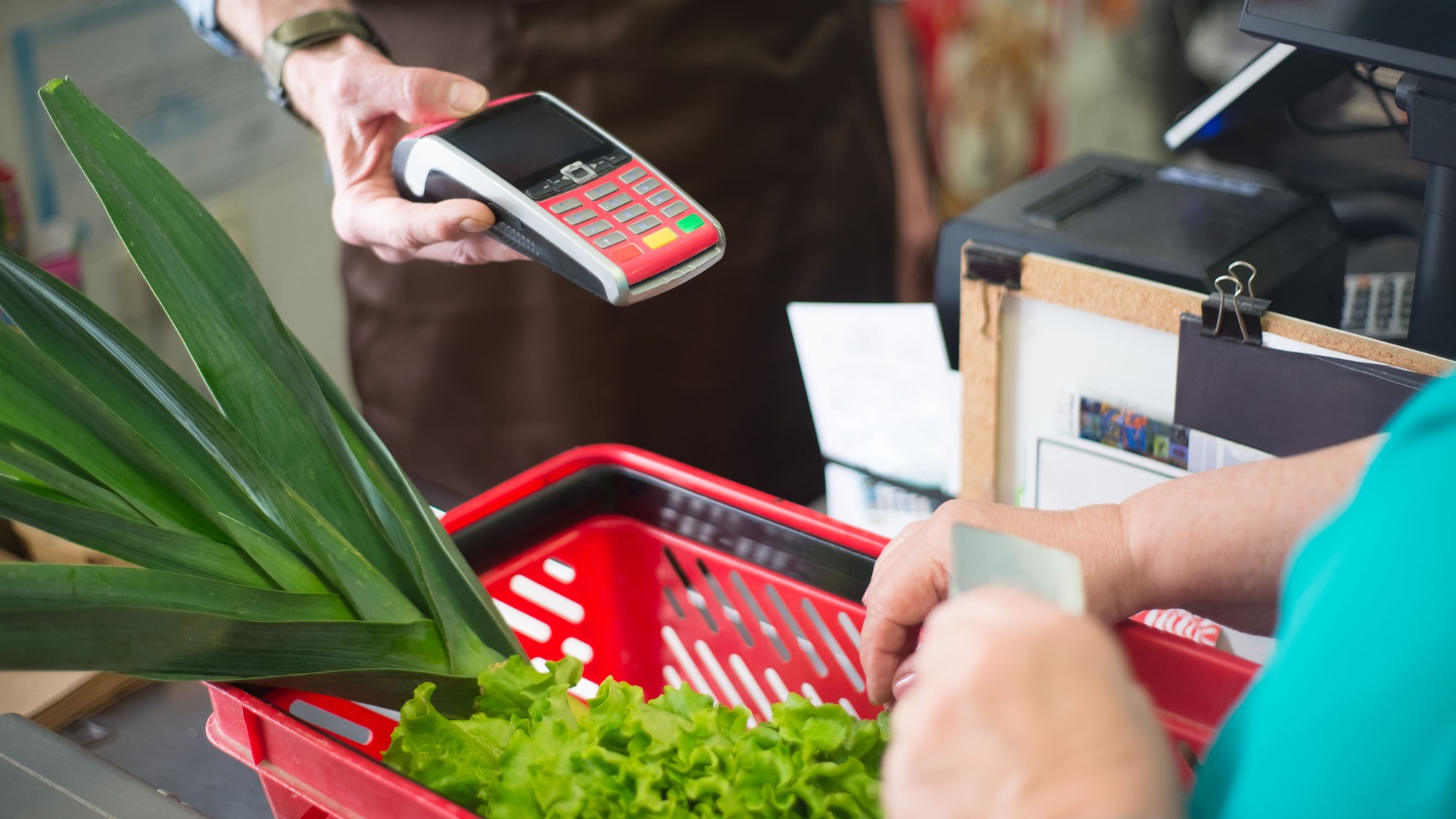
Eight states are restricting what SNAP benefits can buy right now, with the earliest rules dating to New Year’s Day. The U.S. Department of Agriculture’s Food and Nutrition Service lists Arkansas, Florida, Idaho, Indiana, Louisiana, Oklahoma, Texas and Utah as “Active” on its food-restriction waiver table, each with an implementation date that has already passed. For households that use benefits on drinks and sweets, the practical effect is a shorter list of eligible items at the register.
Eight states, eight start dates, and what each one restricts
The agency’s waiver table, last updated October 2, 2026, gives each state its own date and its own list. The restrictions are not uniform, and the differences matter at the checkout counter.
- Indiana began January 1, 2026, covering soft drinks and candy.
- Utah also began January 1, 2026, and is the narrowest of the eight: soft drinks only.
- Idaho began February 15, 2026, covering soda and candy.
- Oklahoma began the same day, February 15, 2026, covering soft drinks and candy.
- Louisiana began February 18, 2026, covering soft drinks, energy drinks and candy.
- Texas began April 1, 2026, covering sweetened drinks and candy.
- Florida began April 20, 2026, covering soda, energy drinks, candy and prepared desserts.
- Arkansas began July 1, 2026, the most recent of the eight, covering soda, fruit and vegetable drinks with less than 50% natural juice, energy drinks, other unhealthy drinks and candy.
Florida is the only one of the eight whose restriction names prepared desserts.
What a household now has to check
The question for a SNAP household in any of these states is simple and specific: is the item on this state’s restricted list, and does the state’s list differ from the one in a neighboring state? A shopper in Utah can still pay for candy with benefits, while one in Indiana, Idaho, Oklahoma, Louisiana, Texas, Florida or Arkansas cannot. A household in Florida has to account for prepared desserts, and one in Arkansas for lower-juice fruit drinks, categories the other states do not name.
The turn from this story’s question, which foods a state’s restriction covers, to a related job is a plain one: keeping the renewal and reporting dates that determine whether benefits arrive at all. The SNAP & Medicaid Renewal Organizer is built for that second job, with 51 state packs and a renewal and reporting calendar.
Organize your state’s SNAP restriction and renewal dates →
The restrictions also sit beside obligations that never changed. Benefits still depend on timely renewals and mid-certification reports, and a household that buys differently under a new list can still lose a month of benefits by missing a renewal date. Many households track those dates on paper, and a change in what benefits can buy tends to arrive alongside other notices from the same state agency.
Why a waiver, and why the word “approved” misleads
SNAP rules normally let households buy nearly any food for home preparation. A state can narrow that only with a federal waiver, which is why the USDA table is the controlling record rather than any state press release. Every row on the table carries an approval label, but approval alone does not tell a household whether a rule is operating. The implementation date and the status column do. For these eight states, the table shows both: a start date between January 1 and July 1, 2026, and an “Active” status.
That distinction became concrete in June. On June 22, 2026, the U.S. District Court for D.C. ruled in Aragon v. Rollins that the department’s approval of certain waivers be vacated and that those waivers’ implementation may not proceed. The table’s court-vacated section does not include any of the eight states named here, so their restrictions continue to operate. How that ruling reshaped the broader list is covered separately in The Financial Wire’s reporting on the vacated waivers.
The Oct. 15 comment window and the retail side
Retailers are being asked to weigh in. The National Association of Convenience Stores reported on October 1 that the department has opened a comment window ending October 15, 2026 on how state waivers are being implemented, covering 18 state waivers still open after five were vacated. The trade group notes that more than 117,000 convenience stores, nearly 45% of authorized SNAP retailers, are affected. That figure speaks to why the practical rollout is uneven: the register has to apply each state’s list, and the eight states above do not share one.
The same table shows that the eight are not the end of the process. Other waiver states have later start dates on the same page, which is a separate story from the eight already in force.
Checking your state’s list against your renewal calendar
The free first step is the USDA’s food-restriction waiver page, which names the restricted items and the implementation date for each state. Households then confirm the final wording with their own state SNAP agency, since the state, not the federal government, runs the retail rules and the notices that go with them.
It helps to put three things side by side: the state’s restricted list, the date the household’s recertification is due, and the date any periodic report is due. A restriction change does not move those dates, and a missed renewal ends benefits regardless of what was bought.
Watch for notices from the state agency that arrive by mail or through its online portal, because those, not the federal table, carry the household’s own deadlines. The waiver table shows only the date a rule started in a state, not any individual household’s next step.
For households that want those dates in one place, The SNAP & Medicaid Renewal Organizer includes 51 state packs and a renewal and reporting calendar, along with a renewal document checklist for gathering paperwork before a recertification.
Click here to get The SNAP & Medicaid Renewal Organizer →
This article was produced with AI assistance and reviewed by The Financial Wire’s editorial team.