Money leaving U.S. Customs and Border Protection reached $21.3 billion in September, compared with $1.2 billion in September 2025, according to the Treasury Department’s daily statement for Sept. 30, 2026. The year-earlier figure is on the Sept. 30, 2025 statement. The jump coincides with the payment of refunds on the emergency tariffs the Supreme Court struck down.
What the $21.3 billion line includes
The statement lists Customs and Border Protection withdrawals at $21,264 million for the month, against $1,166 million a year earlier. The line is the agency’s total cash outflow, so it takes in everything the agency spends as well as refunds. The Treasury statement does not split the two. That means $21.3 billion is a ceiling on September’s refund payments rather than a refund total.
The fiscal-year figure shows the same shift. Customs and Border Protection withdrawals were $157,803 million for fiscal 2026, which ended Sept. 30, up from $10,789 million in fiscal 2025, per the same two statements.
Customs collections on the other side of the ledger tell a mixed story. Customs duties, taxes and fees deposited in September 2026 came to $26,610 million, below the $31,676 million of September 2025. For the full fiscal year, deposits were $332,560 million in 2026 and $215,236 million in 2025.
Who gets the refunds
The refunds trace to a Supreme Court ruling on Feb. 20, 2026, striking down tariffs imposed under the International Emergency Economic Powers Act, according to FedEx’s refund page. Importers who paid those duties are the ones entitled to get them back, and the money flows through Customs and Border Protection’s refund process, not through the IRS or any tax return. The agency told the Court of International Trade that about $166 billion in emergency-tariff duties had been collected, according to a BDO summary of its status report.
This refund process is still moving through its phases; The Retirement Money Brief will cover the next step in plain English when it happens.
Get the next update free → Free from RetireShield. Unsubscribe anytime.
As of the agency’s May 26 update, $20.6 billion in refunds had completed its refund-processing system and been sent to Treasury for disbursement, BDO reports. The agency’s system for handling these claims is called the Consolidated Administration and Processing of Entries, or CAPE. Its third phase deployed on Oct. 6, 2026, according to a Thompson Coburn account of a Customs declaration to the court.
The people who see money first are the importers of record, the businesses whose names are on the customs entries. Shoppers who bought imported goods did not pay the duty to the government and do not receive anything from Customs directly. Whether a retailer, shipper or carrier passes some of its refund on is up to that company.
How one carrier is passing refunds along
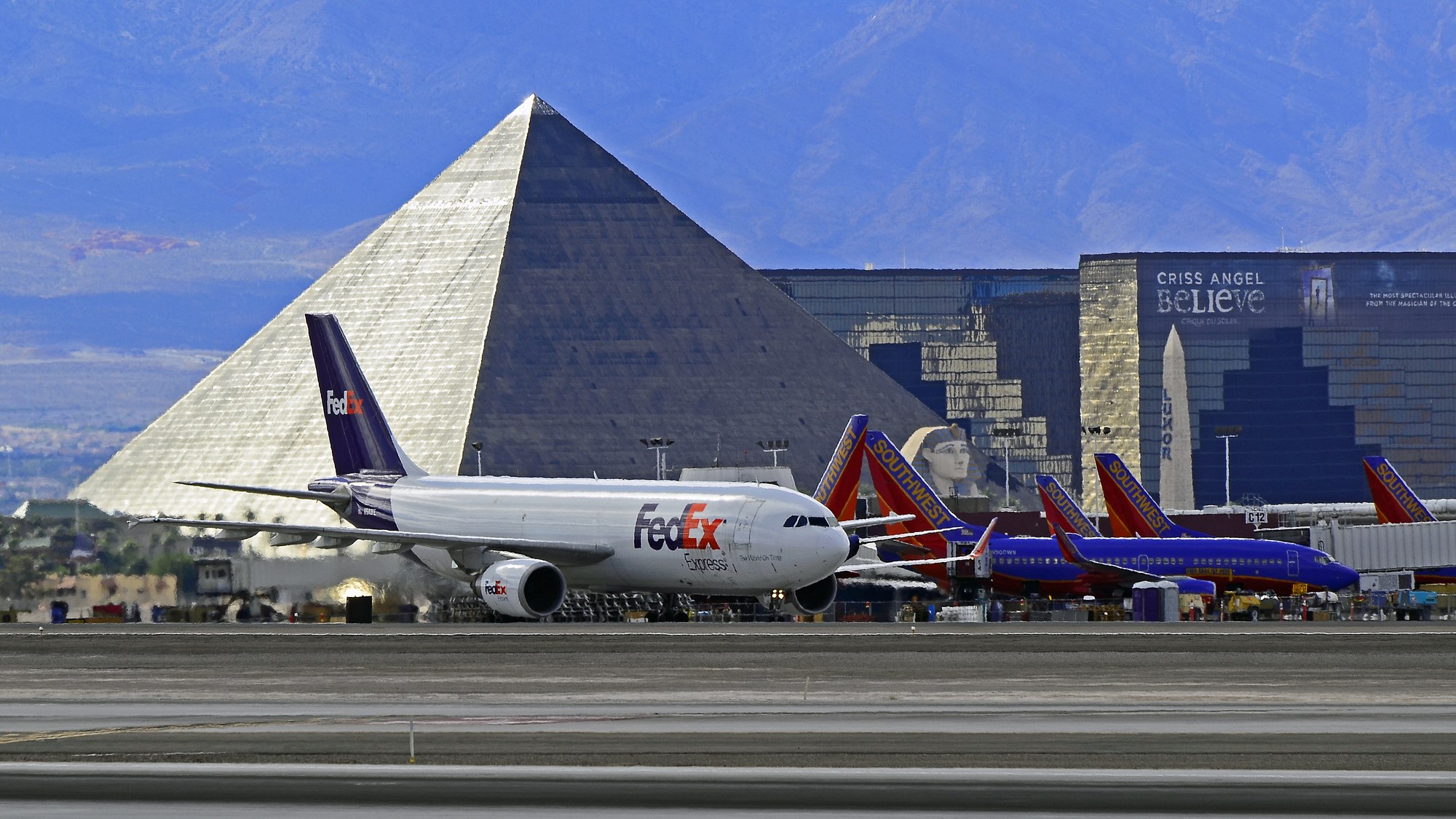
FedEx says it has begun issuing refunds, including interest received from Customs and Border Protection, on its own FedEx page. Customers who paid FedEx the duties are refunded through the original card payment method, with a wire alternative available. The carrier’s eligible window runs from February 2025 through Feb. 24, 2026, and it operates a refund portal at ieepa-refunds.fedex.com.
The company also says its ability to file in the third phase is limited. FedEx can file only for entries where it served as the importer of record, which leaves out shipments where the customer was the importer.
The two sets of numbers should not be added together or set side by side as if they were the same measure. The $157,803 million fiscal-year line is everything Customs and Border Protection paid out between Oct. 1, 2025 and Sept. 30, 2026, including its operating costs. The $20.6 billion is the agency’s own count, as of its May 26 update, of refunds that had finished processing and gone to Treasury. They cover different periods and different things, and only the second is a refund figure.
The September jump is still the clearest sign in the Treasury’s data that refunds are moving. A line that ran at $1.2 billion in September 2025 was at $21.3 billion a year later. The refund program that followed the court’s February ruling is the change the Treasury line coincides with.
How a refund reaches a business that paid the duty
Whether a refund arrives depends on who the importer of record was. A business that imported goods under its own name files, or has a broker file, through the agency’s refund process. A business that paid duties through a carrier such as FedEx follows that carrier’s portal. A business should be able to find the answer on its entry paperwork or in an invoice line showing the duty.
The figure to keep in mind is the $20.6 billion that had been sent to Treasury by the May 26 update, set against the roughly $166 billion collected. The Treasury statement for each business day shows the outflows as they continue, though not how much of the Customs line is refunds.
More Financial Reading
- How many CDs can you park at 1 bank? FDIC rules you must know
- Adding someone to your bank account: tax traps and smart moves
- Bank statements: how long to keep them and when to toss them
This article was produced with AI assistance and reviewed by The Financial Wire’s editorial team.