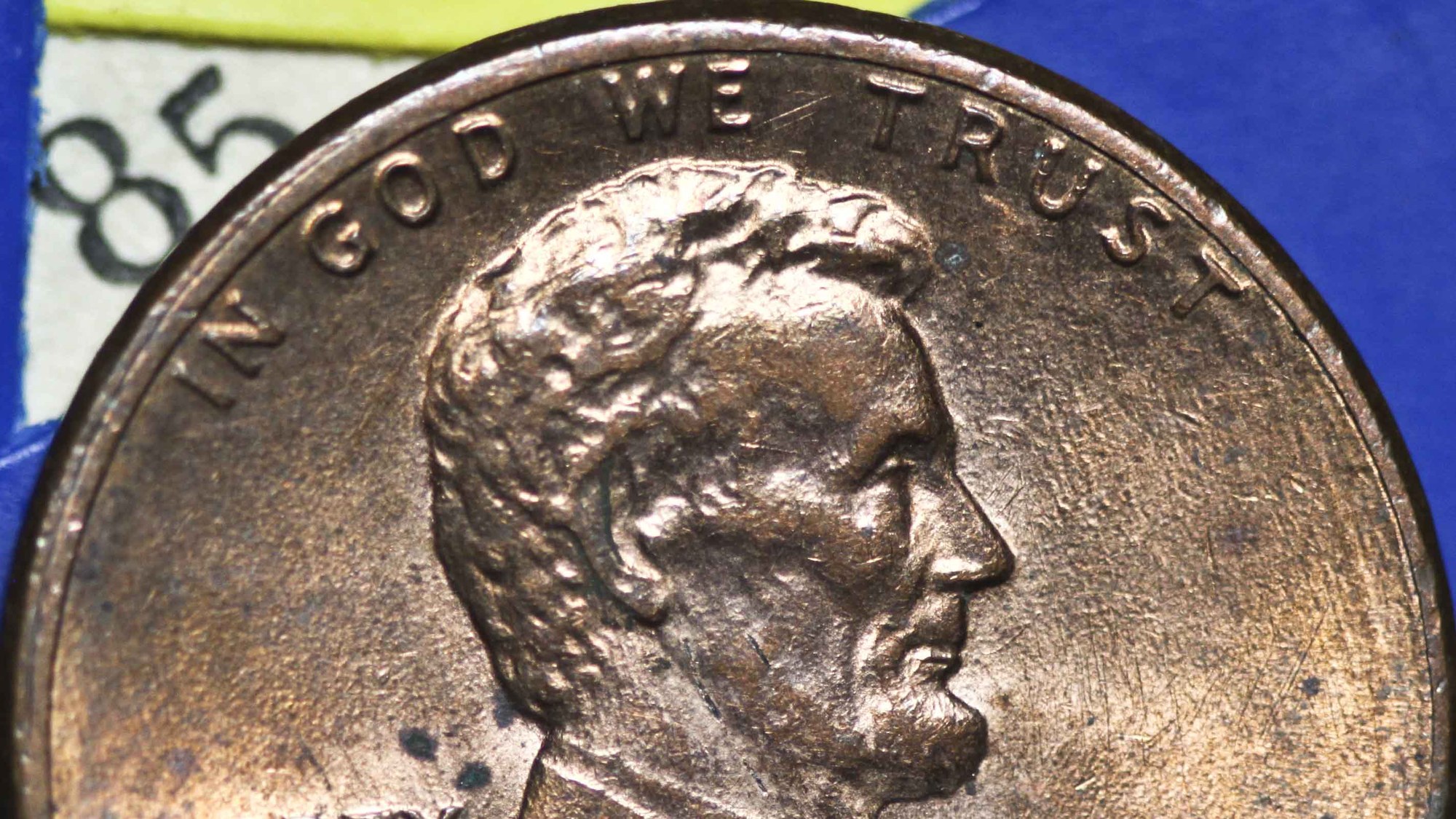
Congress has passed a bill that would end production of the one-cent coin and let merchants round cash purchases to the nearest nickel when they cannot make exact change. The Senate approved the House-passed Common Cents Act, H.R. 10167, without changes by unanimous consent on Sept. 28, 2026, according to the GovInfo bill status record. Forvis Mazars’ Oct. 6 legislative update describes the bill as awaiting the President’s signature.
Where the bill stands
The House passed the bill by voice vote on Sept. 14, and the Senate followed two weeks later with the identical text, which is why no further vote is needed in either chamber. The GovInfo record, last updated Sept. 30, lists no presidential action yet, neither a signature nor a veto. Until President Trump acts, the penny stays in production and nothing about cash transactions changes.
If the bill becomes law, it directs the Treasury Secretary to stop producing one-cent coins for general circulation, per the engrossed text of the bill. The bill does not say pennies stop being money. Coins already in circulation are not addressed by that production order, and the text of the bill does not call them back.
How the rounding would work at the register
The rounding provision is permissive. Under the bill’s text, a seller may round the total of a cash transaction if exact change cannot be provided at that time. It is not a mandatory rule, and it applies only when the seller cannot make exact change.
The bill sets the direction of the rounding by the last digit of the total. Totals ending in 1 or 2 cents round down, and so do those ending in 6 or 7. Totals ending in 3 or 4 round up to the next nickel, and those ending in 8 or 9 round up as well. A bill of $10.01 or $10.02 would come to $10.00 in cash, while $10.03 or $10.04 would come to $10.05, and $10.08 or $10.09 would come to $10.10.
The next date on the penny bill is the President’s decision on H.R. 10167; The Retirement Money Brief sends the dates and deadlines that matter, one email each weekday.
Get the free deadline brief → Free from RetireShield. Unsubscribe anytime.
The bill applies the rounding to the whole transaction, including taxes, rather than to each item. A shopper buying several items pays rounding once at the end of the sale instead of one adjustment per item. That matters for a cart with many small prices, where rounding each line separately would produce a different result.
The rule covers cash. The bill exempts payments by credit card, check, electronic fund transfer, gift card and money order, which keep settling to the exact cent. Anyone who pays by card at a store will see the same total as before, and the penny question comes up only for people paying with bills and coins.
The effect on any one purchase depends on that last digit. Totals ending in 1 or 6 lose one cent, those ending in 2 or 7 lose two cents, those ending in 3 or 8 gain two cents, and those ending in 4 or 9 gain one cent, following the bill’s rounding pattern. A $24.06 total, for example, would come to $24.05, and a $24.08 total would come to $24.10.
What it means for cash prices
Rounding to the nearest nickel can move a single cash total by at most two cents in either direction. Under the bill’s pattern, four of every ten final digits round down, four round up, and totals ending in 0 or 5 stay as they are, so across many purchases the changes roughly offset.
Shelf prices are not changed by the bill. Items can still be priced at $1.99 or $3.49. The rounding applies at the register, to the cash total, and only when exact change cannot be given. A store that still has pennies on hand can keep making exact change if it chooses, because the bill says merchants may round.
The sequence of votes also shows how little resistance the bill met. A voice vote in the House carries no recorded tally, and a unanimous-consent request in the Senate passes only if no senator objects, so neither chamber logged a roll call against it. The remaining step is entirely in the President’s hands, and the GovInfo record is the first place any action would appear.
Watching for the President’s decision on the penny bill
Whether any of this takes effect depends on the President’s action on H.R. 10167. The free way to follow it is the bill’s status record on GovInfo, which logs each action in order, including presentment to the President and any signing. The bill status record linked above is the place where a signature would first appear.
Shoppers who pay with cash would see the change at the register if the bill is signed, and because the rounding is optional for sellers, practices could differ from one store to the next. A shopper who wants an exact total can pay by card, which the bill leaves alone, or hand over exact change.
More Financial Reading
- How many CDs can you park at 1 bank? FDIC rules you must know
- Adding someone to your bank account: tax traps and smart moves
- What really happens to your joint savings account when you die?
This article was produced with AI assistance and reviewed by The Financial Wire’s editorial team.