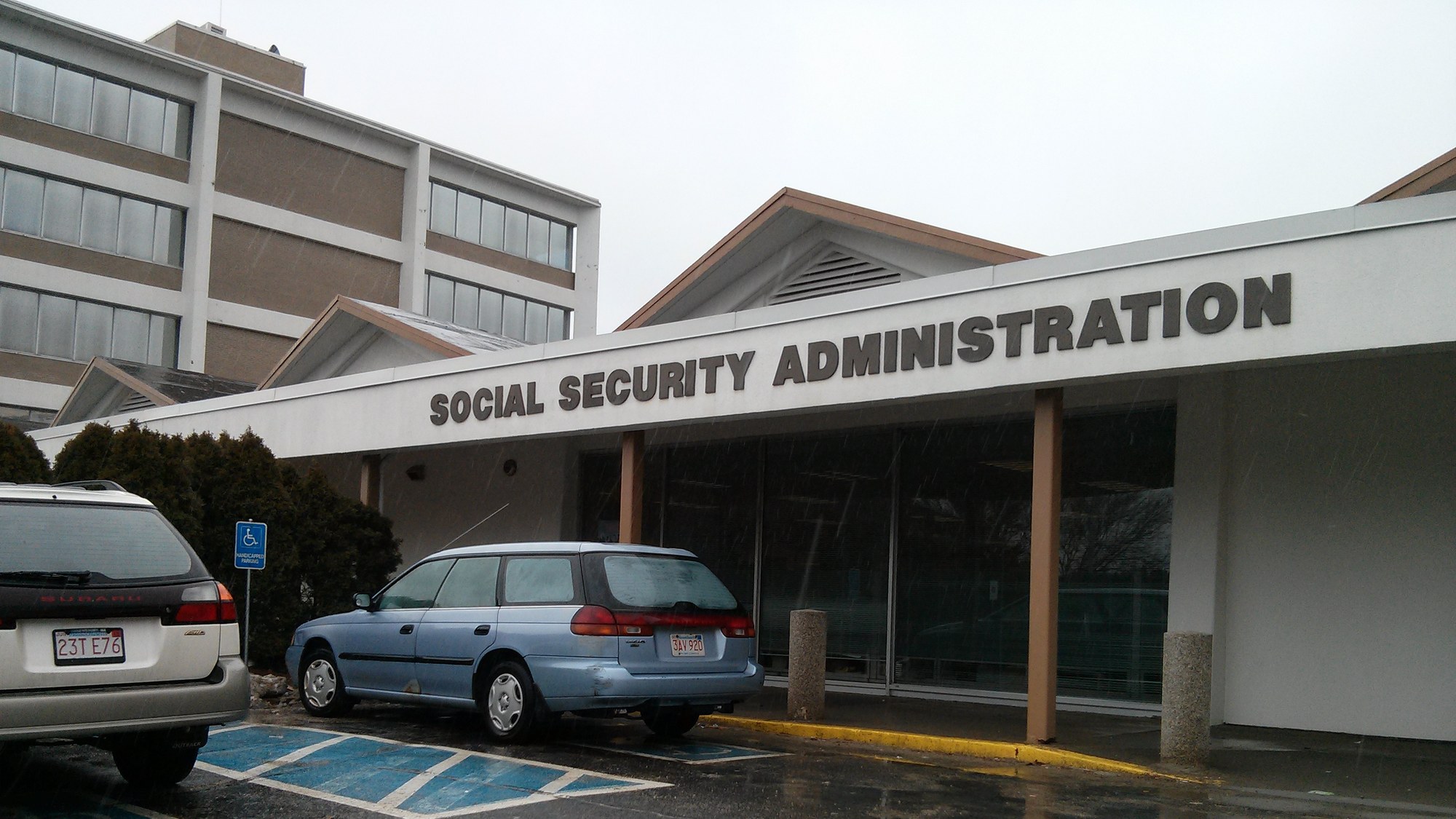
Federal prosecutors have listed intended losses of $143,685 in Rhode Island, $139,952 in North Carolina and $100,845 in Texas among 17 defendants charged in a one-month Social Security fraud sweep. The Justice Department’s National Fraud Enforcement Division announced the cases on September 29, working with 11 U.S. attorney’s offices and the Social Security Administration’s Office of the Inspector General. Charges covered Aug. 21 to Sept. 18 and involve more than $1.3 million in intended loss, according to the department’s announcement.
The release describes every dollar figure as an intended loss, meaning the amount prosecutors attach to the alleged scheme, and every charge as an allegation. For families, the cases that carry details turn on one situation: a Social Security or Supplemental Security Income payment that keeps arriving after the person it was meant for has died, or money managed on someone else’s behalf. Anyone whose relative receives Social Security, or who handles that money for them, has a stake in how those payments are reported and used.
The sweep covered charges brought between August 21 and September 18, and each of the 17 cases now moves toward court dates that will decide whether the allegations hold up.
Get the deadline alerts before they pass →
The three cases in the title have no details yet
John Zaccaria is listed in the District of Rhode Island with an intended loss of $143,685. Israel Gonzalez is listed in the Western District of North Carolina at $139,952, and Sherry Freude in the Southern District of Texas at $100,845. The Justice Department’s own press-release database carries the same three entries under a heading called “Additional Charges During SSA Surge.”
For these three, the announcement gives only a name, a dollar figure and a federal district. It does not describe what each person is accused of doing or which charges were filed.
The five cases the department described
The department gave conduct details for the first five defendants on its list, and they show the pattern behind the sweep. Eva Bratcher of the Northern District of Illinois is accused of hiding her dead mother’s body in a garage freezer for two years while collecting her benefits, with an intended loss of $21,402. David Darling, charged in the Northern District of New York, is accused of using his dead brother’s ATM card after Social Security kept paying the account, a $109,746 case. Debra Reed, in the Western District of Pennsylvania, is accused of keeping her father’s retirement payments after his 2020 death, a $59,070 case.
Two other cases involve representative payees, the people Social Security appoints to manage benefits for someone who cannot manage them. Laura Whisenant of the Eastern District of Michigan is accused of misusing her disabled uncle’s benefits for seven years while he lived without running water, electricity or heat, a $121,980 case. Keshaune Pace is accused of misusing $30,000 of her son’s Supplemental Security Income and having someone impersonate him at a Social Security review.
All 17 defendants and their intended-loss figures
- Eva Bratcher, N.D. Illinois: $21,402
- David Darling, N.D. New York: $109,746
- Debra Reed, W.D. Pennsylvania: $59,070
- Laura Whisenant, E.D. Michigan: $121,980
- Keshaune Pace, Southeast Michigan: $30,000
- Tammy Phillips, W.D. Pennsylvania: $65,000
- Israel Gonzalez, W.D. North Carolina: $139,952
- John Zaccaria, D. Rhode Island: $143,685
- Sherry Freude, S.D. Texas: $100,845
- Lisa Martinez, W.D. Texas: $50,501
- Stacey L. Stoudermire, N.D. Ohio: $31,237
- Ruthie M. Lewis, N.D. Ohio: $33,131
- Lizbeth A. Reinhard, N.D. Ohio: $170,166, the largest on the list
- Carrie Miller, D. Idaho: $50,658
- Calandra Davis, N.D. Indiana: $53,234
- Tammy Hopkins, E.D. Michigan: $98,879
- Darlette Williams, E.D. Michigan: $46,844
The department says the cases came through indictments and complaints, and that all charges are allegations. Anyone charged is presumed innocent until proven guilty in court.
What officials said about the sweep
Assistant Attorney General Colin M. McDonald of the National Fraud Enforcement Division said, “Every dollar stolen is a dollar taken from a retiree’s medicine, meals, or housing.” Social Security Commissioner Frank Bisignano said the agency is “aggressively pursuing fraud, safeguarding taxpayer dollars, and protecting Social Security.” Michelle L. Anderson of the agency’s inspector general’s office said fraud involving the retirement and disability programs “will not be tolerated.”
Reporting a death or a suspected benefit theft
Social Security says on its page on what to do when someone dies that funeral homes generally tell the agency when a person dies. When no funeral home is involved, or a death goes unreported, the page tells families to call 1-800-772-1213, weekdays from 8 a.m. to 7 p.m. in most time zones, with the person’s name, Social Security number, date of birth and date of death ready.
Suspected misuse goes to the agency’s inspector general. Its fraud-reporting page takes reports of misused benefits, false information given to start or keep receiving benefits, hidden living arrangements and representative payee misuse. Providing information is voluntary, though leaving details out can limit an investigation, and a report can be kept confidential or anonymous.
The cases in this sweep show why the details matter. Several of them run for years, the longest described one for seven, and the money at stake grows with each deposit. The department’s announcement, naming each defendant, district and amount, remains the record of what prosecutors have alleged so far.
More Financial Reading
- 24 Ways to Stretch a $2,087 Social Security Check
- 17 Places to Find Your Share of the $4.25 Billion States Give Back
- 20 Medicare Money Moves Now That Part D Caps at $2,400
This article was produced with AI assistance and reviewed by The Financial Wire’s editorial team.