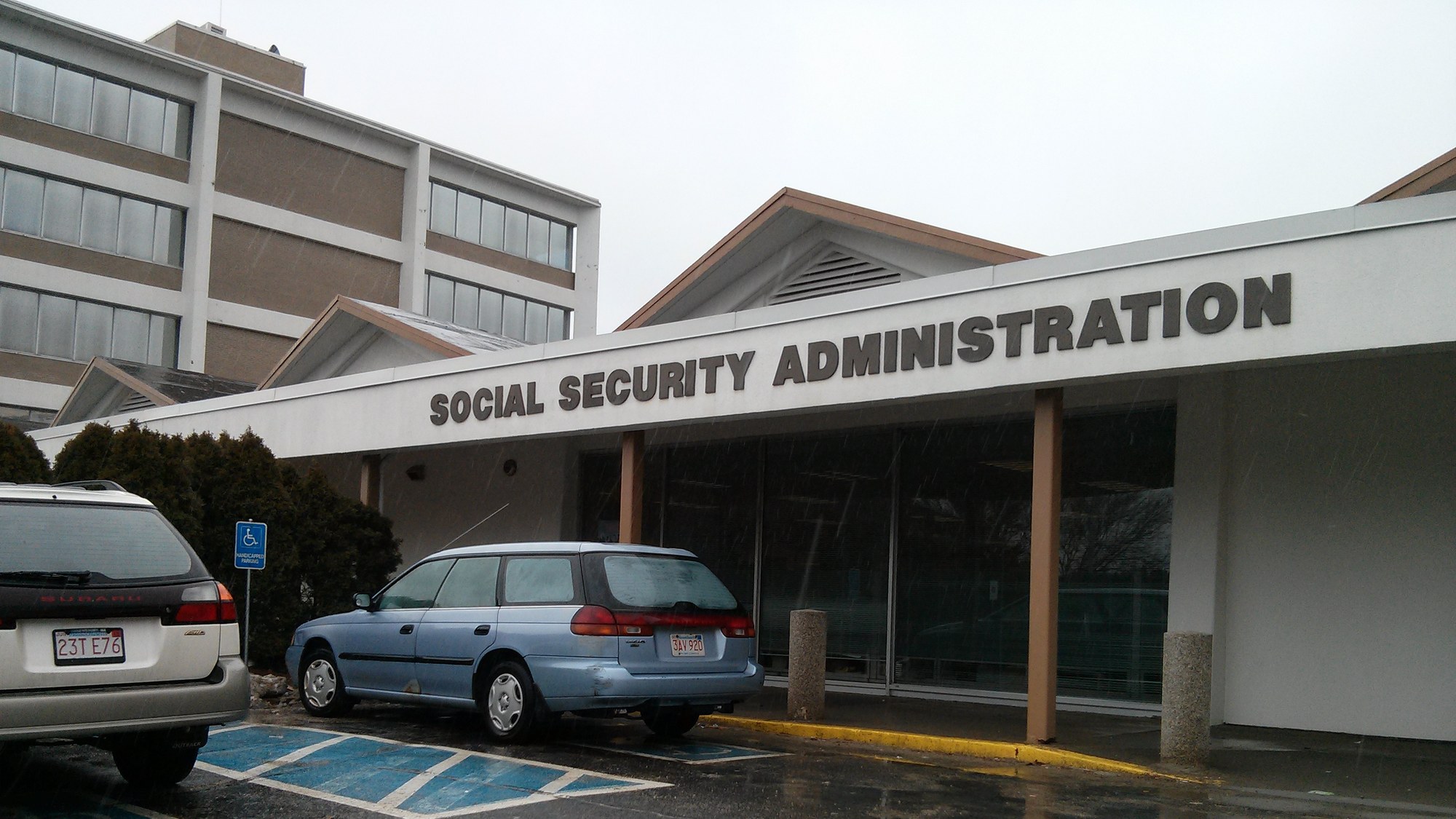
Federal prosecutors in Arizona have charged Ruffin Alford III, 48, of Tucson, with keeping $104,013 in Social Security benefits that were paid into his deceased mother’s bank account between October 2020 and August 2025. A federal grand jury in Tucson returned the indictment in early September, and the U.S. Attorney’s Office for the District of Arizona announced it on September 16. The charge is Theft of Government Money.
The office says Alford was scheduled to appear in federal court on September 25 in Case No. 26-CR-04592-TUC-RCC. A conviction on the charge carries a maximum of 10 years in prison and a $250,000 fine. Like every defendant in these releases, he is presumed innocent until proven guilty beyond a reasonable doubt in a court of law. The Social Security Administration’s Office of Inspector General investigated, and Assistant U.S. Attorneys Corey Marasco and Mary Sue Feldmeier are prosecuting the case.
The sum works out to roughly $1,760 a month across the 59 months the indictment covers. For a family, the lesson is a practical one: a death has to reach Social Security, and whatever deposits come in afterward need handling the right way. Anyone settling a parent’s affairs has to know who reports the death, how Social Security learns of it and what to do with a payment that arrives in the account of someone who has died.
In the Arizona indictment, deposits are alleged to have kept landing in a dead parent’s account for nearly five years. The Social Security Check Protection Kit covers reporting a beneficiary’s death and the payment for the month of death, starting with a first-week checklist for when a spouse dies, including not spending the payment for the month of death.
Get the first-week checklist for a beneficiary’s death from the Check Protection Kit →
What the charge covers, and what it does not
The release describes a single allegation: that Alford “retained $104,013 in Social Security benefits issued to his deceased mother’s bank account” over the period from October 2020 to August 2025. It does not say when his mother died, how Social Security came to learn of the death, or how the money was spent, and no plea has been reported.
The Arizona case is separate from the Justice Department’s one-month Social Security benefits takedown. Alford is not one of the 17 defendants in that takedown, which ran from August 21 to September 18 and which the department’s National Fraud Enforcement Division announced on September 29.
Other cases show the same pattern in the dead-beneficiary files
The takedown covered 11 districts and more than $1.3 million in intended loss to the United States. Among its examples is a man in the Northern District of New York who is accused of withdrawing his deceased brother’s money after Social Security, unaware of the death, kept paying into the account. The indictment says the withdrawals with the brother’s ATM card began the day after he died, and the total there was $109,746. In the Western District of Pennsylvania, a woman is accused of receiving her father’s retirement payments for nearly three years after his death, a total of $59,070. The father died on November 23, 2020, and the alleged theft ran through October 2023. Social Security Commissioner Frank Bisignano said in the announcement that the agency is aggressively pursuing fraud. The takedown also included cases against representative payees, the people appointed to manage benefits for someone else, such as a $121,980 case in the Eastern District of Michigan.
Assistant Attorney General Colin M. McDonald said in the announcement: “Every dollar stolen is a dollar taken from a retiree’s medicine, meals, or housing.” The Illinois case in the same release involves a woman accused of hiding her mother’s body for two years while collecting her SSA and SNAP benefits, totaling $21,402. All of these are allegations in pending cases.
Reporting a death to Social Security
Social Security’s page on what to do when someone dies says funeral homes generally tell the agency, so families do not typically need to report a death themselves. If no funeral home is involved or the home does not report it, the agency says to call 1-800-772-1213 (TTY 1-800-325-0778), Monday through Friday, 8 a.m. to 7 p.m. Callers should have the person’s name, Social Security number, date of birth and date of death on hand. For a death that happens abroad, the agency points families to a Federal Benefits Unit, or to its International Call Center at 1-855-522-6936.
The same page notes that a spouse might get a one-time death benefit payment of $255, and that some children may be eligible if there is no spouse. The agency’s survivors benefits section is the starting point for what a surviving spouse, child or parent may be able to receive. It says a person may qualify as the spouse, divorced spouse, child or dependent parent of a worker who died. It also says that survivors who are approved must report changes to their work, income and personal information.
The records worth gathering before a call or visit are a certified death certificate, the deceased person’s Social Security number and the name of the bank that receives the deposits. Keeping a written note of the date SSA is told, who was spoken to and what was said gives the family a record if the agency later asks about a payment. The Justice Department’s September 16 release names the Social Security Administration’s Office of Inspector General as the investigating agency.
A $104,013 charge and the first deposit after a death
Letting deposits run past a death is how a small mistake grows into a large number, and an overpayment notice can follow. The Social Security Check Protection Kit puts a first-week checklist for when a spouse dies, including not spending the payment for the month of death, in front of a family on day one. Its overpayment response worksheet and the three SSA forms that stop or pause collection (SSA-561, SSA-632 and SSA-634) are inside for the case where a repayment notice arrives.
Get the death-of-a-beneficiary checklist and SSA repayment forms in one kit →
This article was produced with AI assistance and reviewed by The Financial Wire’s editorial team.