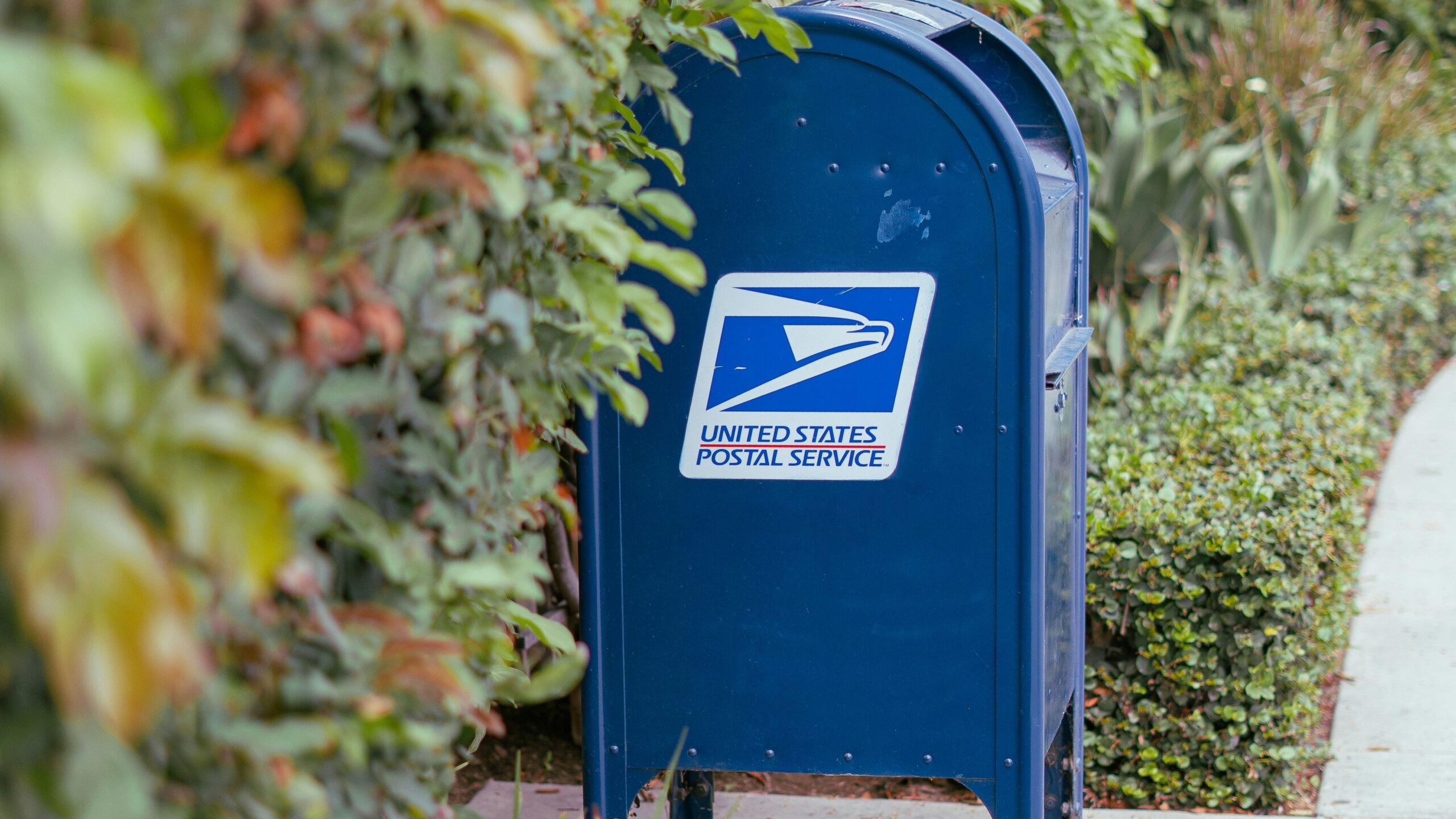
A 31-year-old from Bridgeport, Connecticut, who ran a Telegram channel selling checks stolen from the mail was sentenced to eight years in federal prison. Michael Edwards, who went by “Only1Giela,” must also forfeit $18,840,084.45, U.S. District Judge John G. Koeltl ordered.
Affiliate links — we may earn a commission.
The U.S. Attorney’s Office for the Southern District of New York, which announced the sentence on October 7, put the ring’s intended loss at more than $55 million across more than 2,600 stolen checks. The checks came out of U.S. Postal Service collection boxes in New York and elsewhere, and more than $18 million was deposited into accounts controlled by Edwards’s co-conspirators. Spread over the 2,600 checks, the intended loss comes to about $21,000 a check, though the release gives the loss as a total and not check by check. The $18,840,084.45 forfeiture order sits just above the more than $18 million that was deposited.
For anyone who still pays bills by check, the practical question is how a check gets from a mailbox to a stranger’s bank account. The answer in this case was a key. Edwards and others bought postal keys that opened collection boxes in affluent Manhattan neighborhoods, took what was inside, changed the payee and sometimes the amount, and sent the checks on to be deposited.
This ring got its checks from mailboxes. Names, addresses and phone numbers also sit on data broker and people-search sites, and Incogni sends removal requests to those brokers for you and keeps re-sending them.
A Telegram channel and a deleted archive
Edwards advertised the checks on a Telegram channel called “Only1Giela.” Prosecutors say that after his arrest he kept the business going and posted roughly $32 million in stolen checks for sale, close to 58 percent of the ring’s full $55 million intended loss. U.S. Attorney Jamie McDonald said that “Edwards kept operating his illicit business on Telegram” and that he “obstructed justice by deleting his Telegram posts.”
The deletion came in August 2024, after he was charged with committing crimes while on pretrial release. The office treats it as obstruction of justice. New York police first caught him and a co-conspirator stealing mail in July 2023, and the release says they nearly struck an officer while fleeing in a getaway vehicle.
How the deposits were run
The scheme ran from about January 2022 to July 2024, a stretch of two and a half years. Edwards recruited third parties to provide bank account information and supervised the deposit of millions of dollars in altered checks into accounts in Connecticut, Florida, Pennsylvania and South Carolina.
He pleaded guilty on November 13, 2025, to conspiracy to commit bank fraud, unlawful possession of a stolen postal key, conspiracy to unlawfully possess a postal key, stealing mail and conspiracy to steal mail, and aggravated identity theft. The plea came about 11 months before the October 7 sentencing. Besides eight years in prison and $18,840,084.45 in forfeiture, he received three years of supervised release. The judgment includes restitution, though the announcement does not give an amount.
Who investigated
The U.S. Postal Inspection Service led the investigation, with help from Homeland Security Investigations and the New York Police Department. Assistant U.S. Attorneys Jerry J. Fang and William K. Stone of the General Crimes Unit prosecuted the case in New York, even though the altered checks were deposited into accounts in four states. The Postal Inspection Service says that from 2019 through 2024 its inspectors arrested almost 9,300 suspects for theft of mail and packages, which averages out to roughly 1,500 arrests a year over those six years.
A separate federal case shows the same pattern with government paper. IRS Criminal Investigation announced in September that eight people were indicted on allegations of depositing U.S. Treasury checks worth a total of $3.4 million, that had been stolen from the mail, including a single check for $937,809 from which $597,890 was withdrawn, nearly 64 percent of that check’s face value. Those charges are allegations, and the defendants are presumed innocent.
Mailing a check without handing it to a thief
The Postal Inspection Service’s mail theft guidance says to pick up mail promptly, never to send cash through the mail, and to contact the sender right away if a check or other valuable mail that was expected does not arrive. A check that never reached its payee is the first sign that a collection box or mailbox was raided, and the payer’s bank is the next call.
Suspected mail theft can be reported to the inspection service through its website at uspis.gov/report or by phone at 1-877-876-2455. Anyone who mailed a check that was later cashed by someone else should also tell the bank that issued it, with the check number, the date it was mailed and where it was dropped.
Another safeguard is not to put a check in the mail at all when the payment can be made another way. The case involved more than 2,600 stolen checks, and the ring got them with keys bought to open collection boxes.
What a stolen check leaves exposed
A stolen check carries a name, an address and bank account details, and this ring offered about $32 million of them on Telegram. Incogni asks data brokers and people-search sites to remove personal information, sends removal requests on the customer’s behalf and keeps re-sending them, so less personal data sits on broker lists, which can mean fewer scam calls, texts and emails.
Have Incogni send data broker removal requests for your name and address →
This article was produced with AI assistance and reviewed by The Financial Wire’s editorial team.