A household earning $100,000 a year can afford about $2,500 a month in rent under the common 30 percent rule, and what that money buys depends almost entirely on the city. In Memphis, Zillow says, the median listing at the top of that budget is a 2,119-square-foot, four-bedroom home. In San Jose, the typical affordable unit is a 650-square-foot, one-bedroom, one-bath apartment.
The comparison comes from a Zillow press release dated October 7. It assumes a combined household income of $100,000 and a renter spending no more than 30 percent of gross income on rent. That gives a budget of about $2,500, and Zillow looked at listings priced from $2,333 to $2,500 a month, using median listed rents for January through August 2026.
For anyone weighing a move, a raise or a retirement budget, the useful reading is the spread between metros. The same rent line that fills a family-sized house in one market barely covers a one-bedroom in another, so the question is how many square feet, bedrooms and single-family homes a particular rent figure reaches in a particular metro.
Zillow publishes a new market report each month, and the September one put the typical U.S. rent at $1,932, up 2.7 percent from a year earlier.
Get each new number in one short weekday email →
Memphis: four bedrooms and a yard
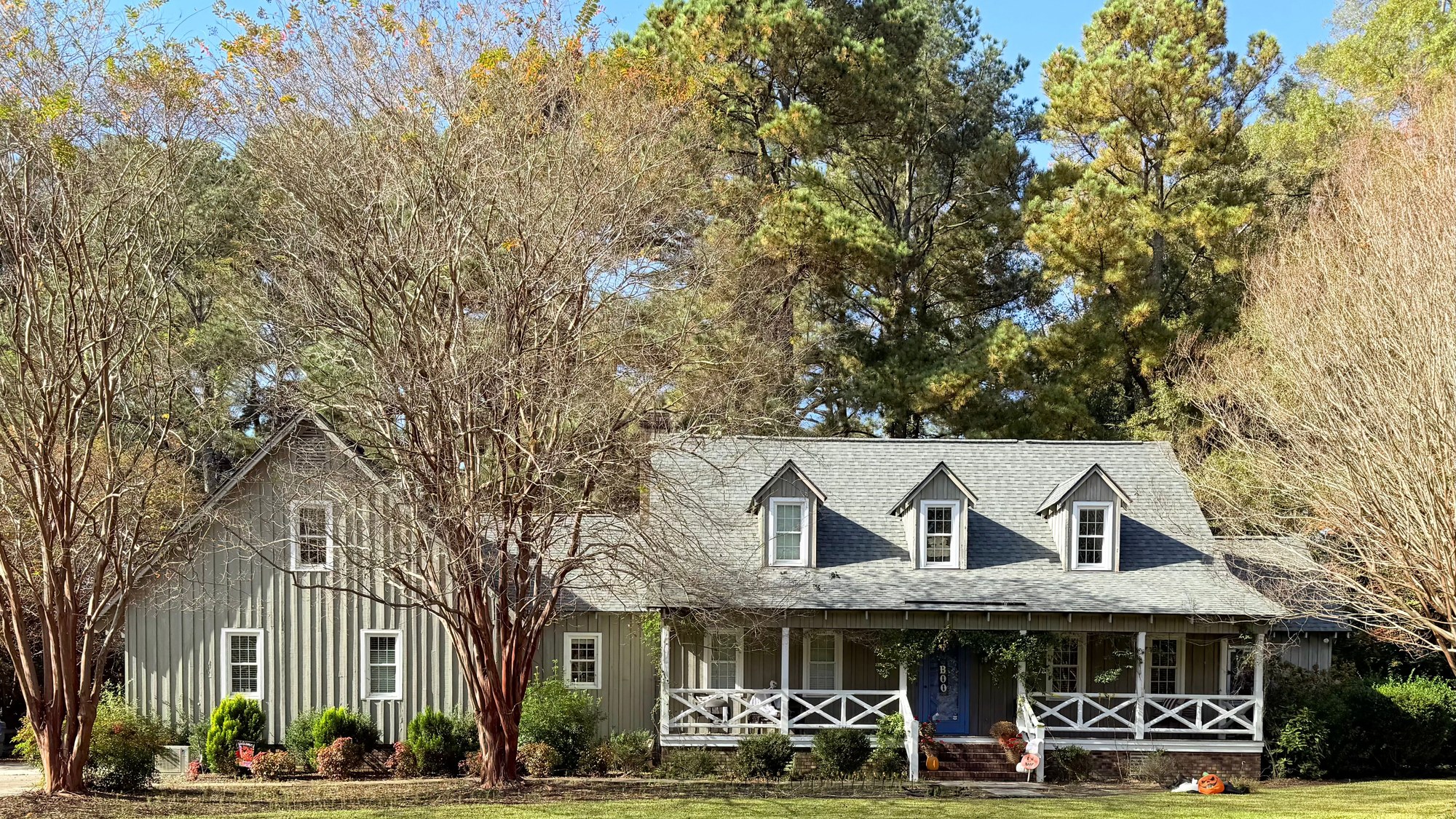
Memphis has a median listed rent of $1,285, according to the release, and 73 percent of the listings at the top of the $2,500 budget are single-family homes. Only 3 percent are one-bedroom or smaller. Oklahoma City is similar, with a median listed rent of $1,250, a median of 2,000 square feet and three bedrooms, and 77 percent single-family homes. Oklahoma City has the lowest median rent among the 50 largest metros in the release.
San Jose: the bottom of the market
San Jose’s median listed rent is $3,539, and Zillow says a $2,500 budget puts a $100,000 earner at the bottom of the market there. The typical unit at that price is 650 square feet. Apartments or condos make up 95 percent of the options, single-family homes only 5 percent, and 77 percent of the listings are one-bedroom or smaller. Zillow’s separate September market report shows typical San Jose rent at $3,812, up 8.3 percent over the year, against $1,393 in Memphis, up 1.1 percent.
Where else the budget stretches or shrinks
Between the two extremes, the release’s table shows the pattern. Median size and bedrooms at the top of the budget, by metro, include:
- New York: median listed rent $3,175, 801 square feet, one bedroom, 6 percent single-family.
- Boston: $3,000, 758 square feet, one bedroom, 3 percent single-family.
- Chicago: $2,095, 950 square feet, two bedrooms, 12 percent single-family.
- Atlanta: $1,680, 1,644 square feet, three bedrooms, 48 percent single-family.
- Houston: $1,495, 1,848 square feet, three bedrooms, 62 percent single-family.
- San Antonio: $1,308, 1,874 square feet, three bedrooms, 57 percent single-family.
Nationwide, the median listing in the table is 1,152 square feet with two bedrooms, and 30 percent of those homes are single-family. The release says households at this budget can reach 77 percent of Zillow’s rental listings, more than double the share open to the typical renter, who earns $58,000 and can afford roughly $1,450 a month. It puts the gap at nearly 20 percent more living space and 63 percent more single-family homes than the typical renter can afford. In the most expensive market, the share of listings within reach falls to 13 percent.
What Zillow says drives the gap
Treh Manhertz, a senior economic research scientist at Zillow, called the difference “ultimately a supply story.” In his words, “In markets that have built enough housing to meet demand, six figures rents real comfort and choice. In markets that haven’t, even high earners feel the squeeze.” Zillow has also joined Let America Build, a national campaign focused on local policies that would increase housing supply.
The release adds that searching lower-cost neighborhoods inside an expensive metro can yield about 250 more square feet for the same budget, and it points to Zillow’s portable rental application: one form, one flat fee and 30 days to apply to multiple participating properties.
Matching a rent budget to a city’s listings
The first step is the budget itself. Zillow’s version is 30 percent of gross income, so $100,000 a year becomes about $2,500 a month. A household can run the same arithmetic on its own income, then compare it with the median listed rent and typical unit size for its metro in the release’s table. Zillow’s September report found that a median-income household would spend 26.3 percent of its income on the typical rent, a share that was flat from August.
The 30 percent figure is a yardstick. In public housing, the Department of Housing and Urban Development says a resident’s rent is the highest of four amounts, the first being 30 percent of monthly adjusted income. That is a different formula from Zillow’s gross-income rule, because adjusted income is calculated after deductions. HUD tells anyone interested in public housing to contact the local housing agency, or the local HUD field office if the agency cannot be reached.
The release’s median rents cover January through August, so a listing found today may differ. Listing prices, unit sizes and the single-family share all vary by neighborhood inside a metro, and the figures here describe listings at the top of the budget rather than every rental.
More Financial Reading
- 24 Ways to Stretch a $2,087 Social Security Check
- 17 Places to Find Your Share of the $4.25 Billion States Give Back
- 22 Ways Retirees Can Raise $1,000 Fast Without a Job
This article was produced with AI assistance and reviewed by The Financial Wire’s editorial team.