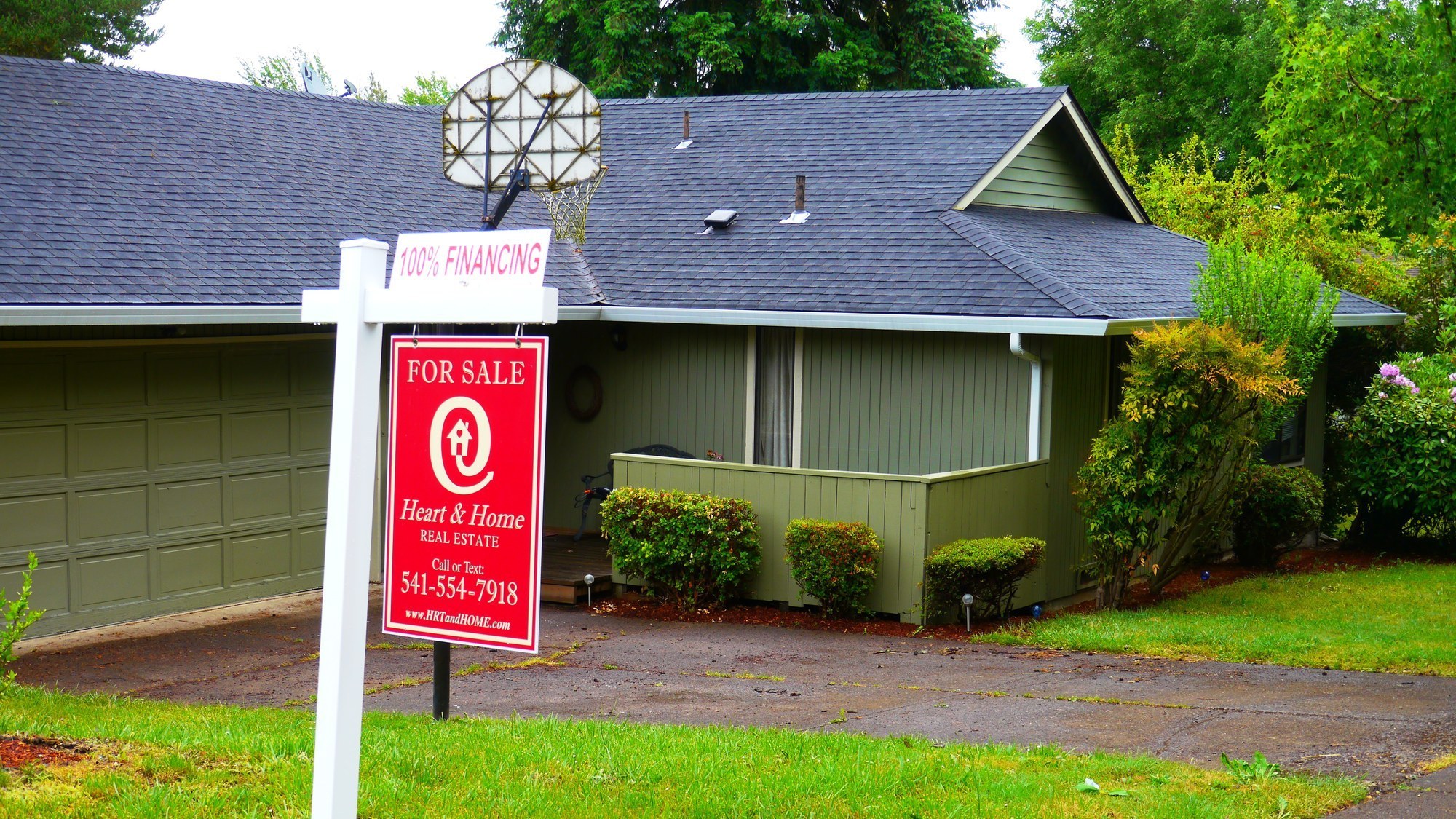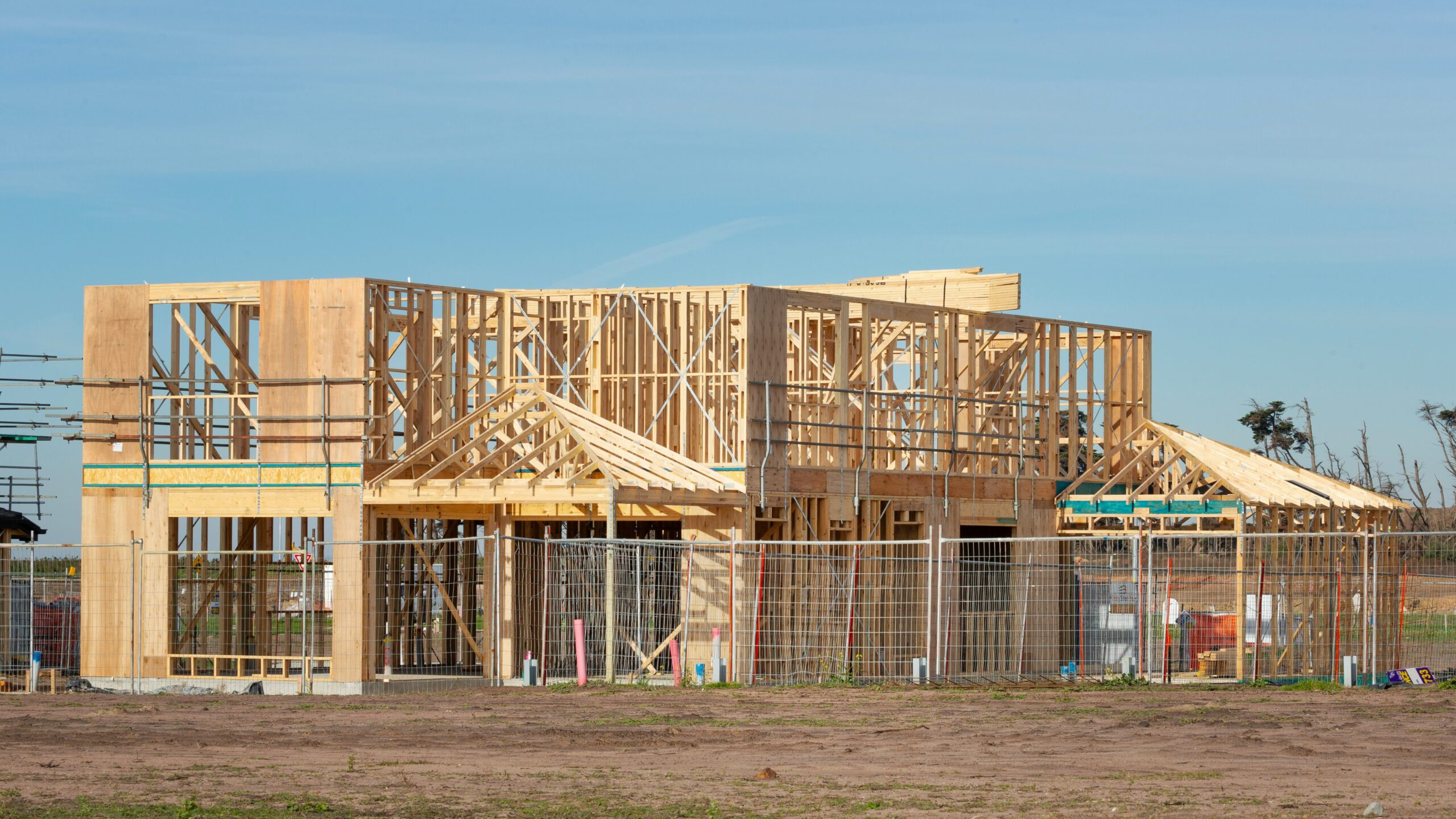
Buying new used to mean paying extra for the privilege. In July 2026, the typical newly built home sold for a median of $205 per square foot, below the $212 median for existing homes, according to a Zillow analysis published September 29. The $7 gap is about 3 percent nationally.
The national figure hides a wide spread from city to city. In some metros the new-build discount is large, and in others new construction still carries a heavy premium.
Where new homes undercut resales
Zillow’s release headline says new homes now cost less than existing ones in one-third of major markets. Austin has the biggest discount in the metro table: new homes there sold for $184 per square foot against $228 for existing homes, a gap of $44 and 19.3 percent. Raleigh follows at $31 per square foot and Tampa at $28. San Diego shows new homes at $498 against $582 for resales, a discount of about 14 percent.
Nationally, the discount has been thin but persistent. Zillow says new homes sold below existing ones in 17 of the past 19 months, and the deepest national gap came in June, at $12 per square foot.
For a buyer weighing a new build against a resale, the first question is whether the home’s metro sits in the discount group or the premium group, and by how much. Anyone comparing homes in one city should hold the per-square-foot price of the specific listings up against that metro’s gap, not against the national $7.
Zillow’s monthly data will show whether July’s $7 gap widens back toward June’s $12 when the next month is reported.
Get the next update the morning it lands →
Where new construction still costs more
The reverse holds in several Northeast and Midwest metros. In New York, new homes sold for $727 per square foot against $441 for existing homes, a premium of 64.9 percent. Zillow’s table also shows premiums of 50.7 percent in Cleveland, 46 percent in Milwaukee and 44.5 percent in Detroit.
A per-square-foot price is not a sticker price, and it compares different kinds of homes. A new build in a growing Sun Belt suburb and a resale condo downtown can sit in the same metro average. The Census Bureau’s August report put the median price of a new home sold at $393,700, a whole-house figure that cannot be converted to square feet without knowing size.
Kara Ng, a senior economist at Zillow, framed the finding as an opening for buyers. “New homes are the overlooked opportunity more buyers should be thinking about,” she said in the release.
Why builders can price lower
New homes are a small slice of the market. Zillow found they made up 12.6 percent of sales nationally in the 12 months ending July 2026, the same share as in 2019. The share runs as high as 37.1 percent in San Antonio and as low as 2.0 percent in Hartford.
Supply helps explain the pressure. Zillow cites Census Bureau data showing 9.6 months of new-home supply in July. The same August report shows new-home sales at a seasonally adjusted annual rate of 684,000 and an 8.5 months’ supply. On the resale side, the National Association of Realtors reported 3.98 million existing-home sales in August at a 4.9 months’ supply, the highest in over ten years.
Zillow’s broader September market report puts the typical U.S. home value at $366,913, up 1 percent from a year ago, with 1.39 million homes for sale, up 2.5 percent. The same report says newly pending sales fell 8.5 percent from a year earlier as mortgage rates ended September at 7.28 percent, the highest reading since November 2023. The monthly payment on a typical home, assuming 20 percent down, is $1,922, which is 6.7 percent higher than a year ago. A household earning the median income would need to spend 34.3 percent of that income on the payment, up from 33.7 percent a year earlier.
Comparing a new build with a resale on price per square foot
The comparison works best on the same measure. Divide each listing’s price by its finished square footage, then set the result against Zillow’s metro numbers in the September 29 release. A new build that lands at the metro’s new-home median is priced like the market. One far above it is carrying extras, such as a larger lot, upgrades or a prime location.
Square footage alone leaves out the costs that sit outside the price: property taxes, homeowners association dues, and repairs a resale may need in its first few years. Census and the National Association of Realtors publish the national benchmarks for whole-home prices, and a buyer’s own local sales records fill in the rest.
Some metros are missing from the comparison altogether. Zillow marked San Francisco, Memphis, Salt Lake City, Hartford and Buffalo as lacking data for at least one month in the period, so buyers there have no metro gap to measure against.
Zillow said its median is for July 2026. A single month can swing as builders offer incentives or rate buydowns, so a gap that looks wide in one metro can narrow by the next report.
More Financial Reading
- 24 Ways to Stretch a $2,087 Social Security Check
- 17 Places to Find Your Share of the $4.25 Billion States Give Back
- 17 Ways Retirees Are Tapping a Record $14.9 Trillion in Home Equity
This article was produced with AI assistance and reviewed by The Financial Wire’s editorial team.