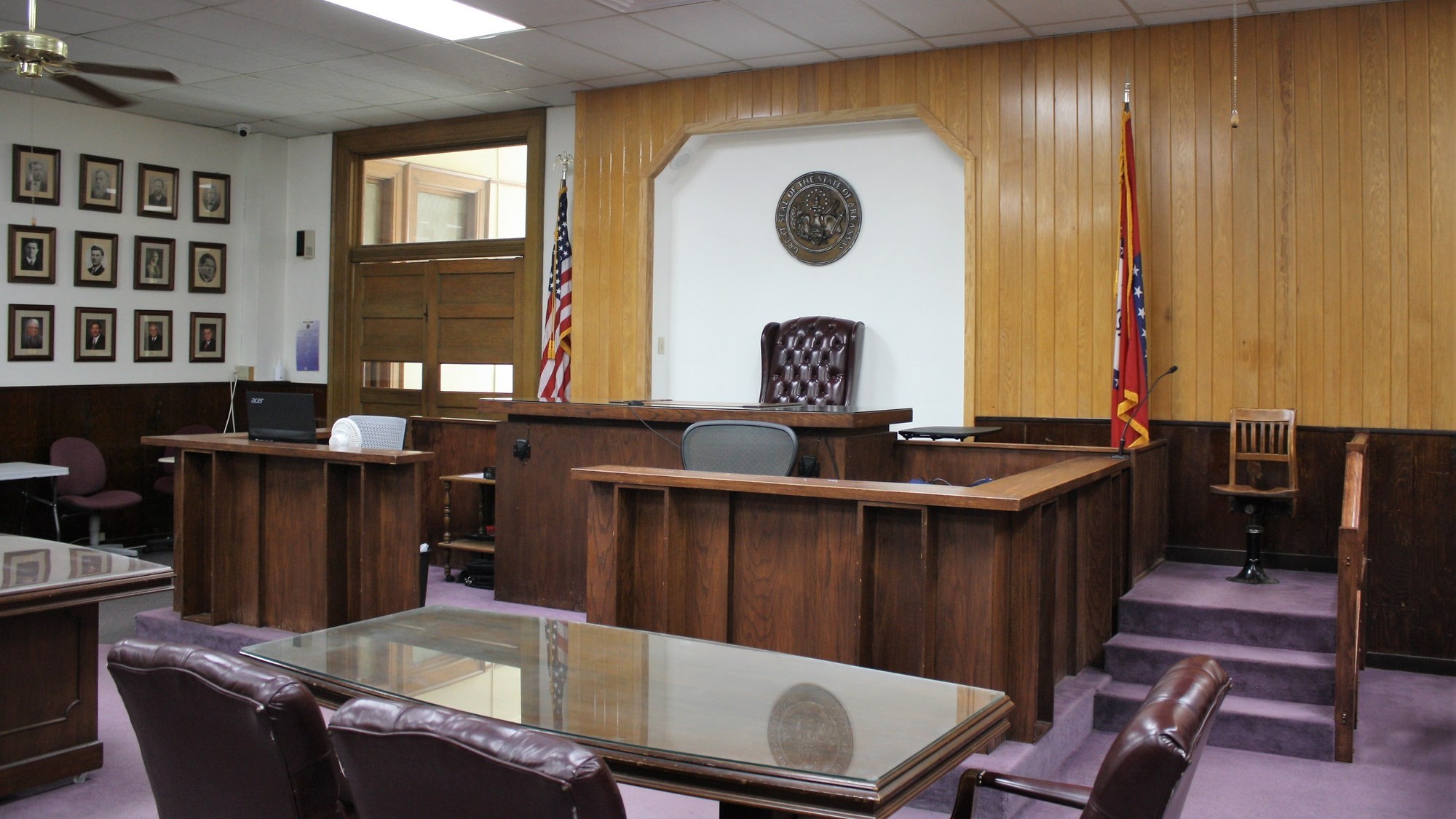
Nahtahna Castner, 46, of Dansville, New York, was sentenced on September 16 to 48 months, or four years, in federal prison for draining the savings of an elderly neighbor who was over 90. U.S. District Judge Charles J. Siragusa imposed the sentence, according to the U.S. Attorney’s Office for the Western District of New York. Castner was convicted of conspiracy to commit wire fraud and aggravated identity theft.
Affiliate links — we may earn a commission.
Savings down to \$99.59
Between July 2020 and February 2023, prosecutors say, Castner and a co-conspirator ran up about $252,672.97 in unauthorized transactions against the neighbor. The victim trusted Castner, and the co-conspirator used that access to get the victim’s banking information. Over those months the victim’s bank account savings went from approximately $283,954.95 to $99.59.
For families with an older parent, or a neighbor who lives alone, the question this case raises is what can be done before the money is gone: who has a view of the accounts, what the statements show and which personal details are in circulation.
The people in this case were not strangers to the victim, but personal details travel a long way beyond a trusted circle, and less personal data on broker lists can mean fewer scam calls, texts and emails; Incogni sends removal requests to data brokers on your behalf and keeps re-sending them.
That is about two years and seven months of activity against one person’s accounts. The four-year sentence is longer than the 32 months the transactions ran, and the release lists no restitution amount or supervised release term.
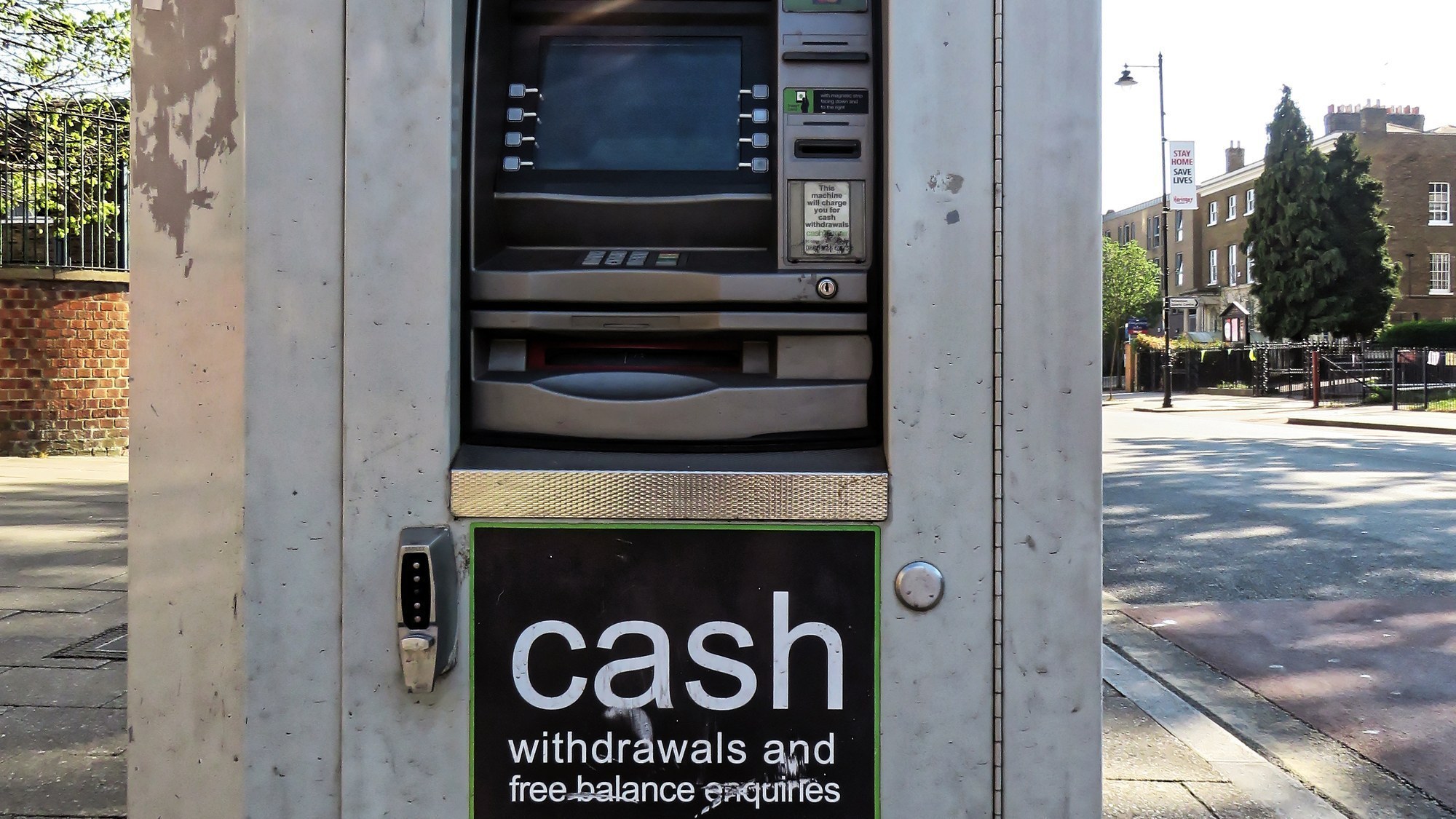
The release describes three kinds of transactions: large ATM cash withdrawals, wire transfers to Castner’s personal account and purchases made with the victim’s debit card. The release does not name the co-conspirator, and it does not say whether Castner pleaded guilty or was convicted at trial.
Prosecutors also say the pair used the victim’s personal information to open three credit cards in the victim’s name. Fraud on those cards cost three financial institutions $2,039.04, $819.33 and $809.74. The FBI, under Special Agent in Charge Allen D. Davis II, and the New York State Department of Financial Services, under Acting Superintendent Kaitlin Asrow, investigated the case, and Assistant U.S. Attorney Nicholas M. Testani prosecuted the case. U.S. Attorney Michael DiGiacomo announced the sentence.
How big the problem is for older Americans
The FBI’s Internet Crime Complaint Center counted $7.748 billion in losses reported by people 60 and older in its 2025 report, a 59 percent increase over 2024. The same report logged 201,266 complaints from that age group, up 37 percent, with an average loss of $38,500 per complaint, according to the IC3 annual report.
Those figures cover complaints that reached the FBI, and many cases involving a family member or neighbor go unreported. The Justice Department’s Elder Justice Initiative describes its mission as combating elder abuse, neglect and financial fraud and scams that target the nation’s older adults.
The FBI says older people are often targeted because they tend to be trusting and polite and often have savings, own homes and have good credit. Many do not report, the bureau says, because they do not know how, feel ashamed or worry that relatives will doubt their ability to manage their money. Its elder fraud page also lists family members and caregivers among the possible sources of fraud, puts tech support scams at over $1.3 billion in losses in 2023 alone, and suggests that families agree on a verbal password or phrase only they know. Victims are asked to report at ic3.gov and to include scammer names, dates, payment methods and where the money went.
The Castner case shows the close-to-home side of that problem: a trusted neighbor, access to banking information and nearly three years of activity. The loss here, roughly $252,673 in unauthorized transactions, took the savings of someone over 90 down to $99.59.
Watching an older neighbor’s accounts and where to report
The entries in this case are the ones worth looking for on a statement: large ATM cash withdrawals, wire transfers to an individual’s account, debit-card purchases the account holder cannot explain and credit cards the account holder never applied for. A credit report showing accounts the person never opened is the check for the last one, and a bank can walk through recent wires and withdrawals with the account holder present.
Older victims and the people who help them can call the Department of Justice’s National Elder Fraud Hotline at 833-FRAUD-11 (833-372-8311). The Office for Victims of Crime says the hotline serves anyone age 60 or older, and it runs Monday through Friday from 10 a.m. to 6 p.m. Eastern. Case managers there help report the crime to the right agencies.
Cases like Castner’s came to light through bank and investigator records, which is where the $252,672.97 figure comes from. Anyone who sees the same pattern on a loved one’s statements can bring those records to the bank and to the hotline.
Three cards opened in one victim’s name
Prosecutors say the personal information of a victim over 90 was used to open three credit cards that cost three financial institutions $3,668.11 in fraud. Incogni asks data brokers and people-search sites to remove your personal information, sends removal requests on your behalf and keeps re-sending them. The status of each request shows in your account, and less personal data on broker lists can mean fewer scam calls, texts and emails.
Have Incogni send removal requests to data brokers for you →
This article was produced with AI assistance and reviewed by The Financial Wire’s editorial team.