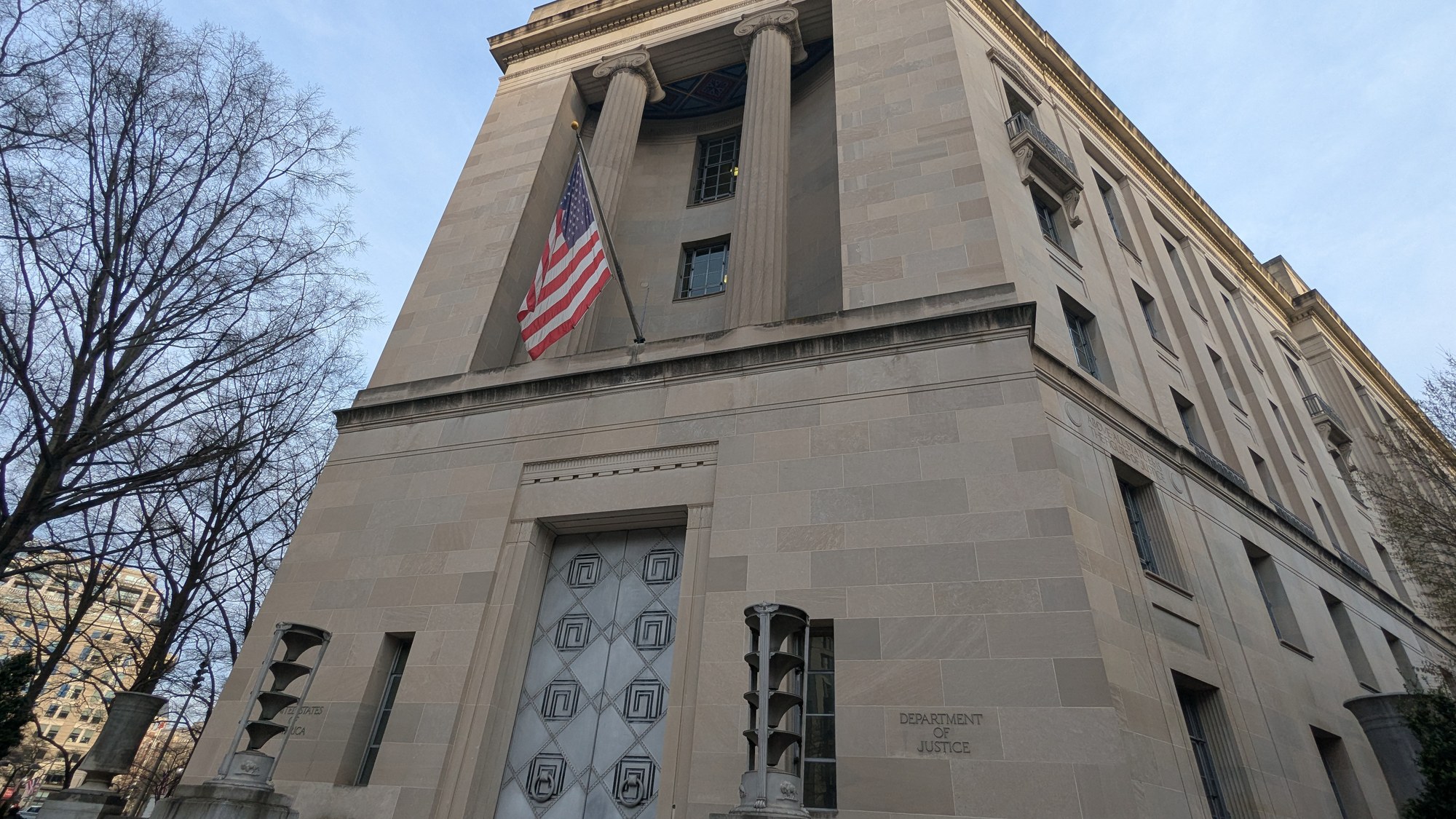
Federal fraud prosecutors now have a standing instruction to look for tax crimes in everything they handle. Colin M. McDonald, the Assistant Attorney General who runs the Justice Department’s National Fraud Enforcement Division, wrote in an October 7 memo that Fraud Division prosecutors must, “in every case,” assess whether there is reason to believe the internal revenue laws were violated.
Where tax charges “may materially advance” a case, the memo says, prosecutors “should invite IRS-CI to evaluate the tax dimensions of the criminal conduct.” IRS-CI is the Internal Revenue Service’s Criminal Investigation unit, whose agents are the IRS’s criminal investigators.
The tax step is one piece of Directive 26-13, which the Justice Department announced October 8 as a major operational shift in how it pursues fraud. For ordinary households, the parts that matter most are the ones aimed at the money: freezing it early, recovering it, and tying it to restitution. The memo says it creates no enforceable rights for any party, so it changes how prosecutors work and does not give victims or defendants new legal claims.
The Justice Department measures the problem with GAO’s estimate of $233 billion to $521 billion lost to fraud each year, and it has yet to publish seizure or recovery totals under the directive.
Get each new number in one short weekday email →
Why tax charges are the lever
The directive treats unpaid taxes as part of the fraud itself. When IRS-CI joins a case, the assigned attorney works with the Justice Department’s Tax Section, and the two prioritize recovery of unpaid taxes on money that was fraudulently obtained or went unreported.
The wording is conditional in one place and absolute in another. The assessment is required in every case. The invitation to IRS-CI is not automatic: it goes out only when prosecutors judge that tax charges would materially help. IRS-CI describes its mission on its website as “investigating potential criminal violations of the Internal Revenue Code and related financial crimes.”
Freezing money before anyone is charged
The directive tells the Justice Department’s Asset Recovery Section to work with prosecutors on six categories of action. The first two are the sharpest: restraining orders or seizure letters to freeze assets at banks and cryptocurrency exchanges soon after a theft, and warrants and in rem forfeiture, which targets the property itself, to seize criminal proceeds before charges are filed.
The other four reach beyond cash. They include warrants to seize websites, domains, online accounts, satellite and cellular terminals, and related U.S.-based service accounts, plus civil restraining orders against moving proceeds in banking and health care cases, civil injunctions against government fraud, banking law violations and health care offenses, and civil remedies such as attachment, garnishment, sequestration and receivers for any offense.
The announcement says the Division wants to stop fraudulent networks before they cause widespread harm. It also says the department wants to “attack fraud from all angles.”
Cooperators, detention and sentencing
Prosecutors are told to build cases with cooperating witnesses and undercover operations. Under the directive, every cooperator must accept responsibility, forfeit property tied to the offenses and make restitution. The factors for judging a cooperator include previously unknown criminal activity, seizure of proceeds and the conviction of others.
On custody, prosecutors should assess flight risk and danger early and throughout a case, seek arrest warrants and detention where appropriate, and move promptly to modify or revoke release when conditions are broken. At sentencing they are told not to be mechanical, to stress general deterrence every time, to seek every supported Guidelines enhancement, to oppose unwarranted reductions, and to seek approval for upward variances where the Guidelines fall short. They are also to seek restitution, forfeiture and fines.
Who the directive says it is for
The memo names consumer fraud and cybercrime as a priority. Prosecutors should weigh charges such as mail, wire and bank fraud, identity theft, access-device fraud and fraudulent identification, and they should coordinate with partners to stop continuing harm, preserve evidence and identify victims. It speaks of “vulnerable Americans,” individual consumers and individual investors, though it does not single out older victims.
The department’s announcement adds that, according to the Government Accountability Office, the federal government loses between $233 billion and $521 billion a year to fraud, and that other models show higher losses. That range measures losses to the government itself, not fraud against the public overall. The announcement does not give a year or method for the estimate, and it lists no counts of cases, seized assets or recoveries.
The directive also points to the Division’s August 13 priorities memo and to Directive 26-12, which sets corporate enforcement policy for the Corporate Enforcement Section.
Reporting a fraud and keeping the paper trail
Nothing in the directive creates a new place to report fraud, but the Fraud Division’s home page says it “investigates and prosecutes those who commit fraud against the American people,” and the department’s announcement of the directive is the free official source for what changed. The memo’s focus on identifying victims and seeking restitution makes records valuable: bank statements, wire confirmations, texts and emails with the person who took the money.
Speed also matters, because the tools in the directive freeze money at banks and exchanges “soon after theft.” A report made quickly to the bank that sent the payment and to the agencies that take fraud complaints gives investigators the best chance to trace funds while they can still be found.
One more point comes from the IRS-CI page itself: anyone who gets a visit from someone claiming to be an IRS-CI special agent can use the IRS’s Employee Verification Tool to confirm the person works there. The directive’s tax step is aimed at fraud defendants, and nothing in it authorizes anyone to demand payment from a household over the phone.
More Financial Reading
- 24 Ways to Stretch a $2,087 Social Security Check
- 17 Places to Find Your Share of the $4.25 Billion States Give Back
- 22 Ways Retirees Can Raise $1,000 Fast Without a Job
This article was produced with AI assistance and reviewed by The Financial Wire’s editorial team.