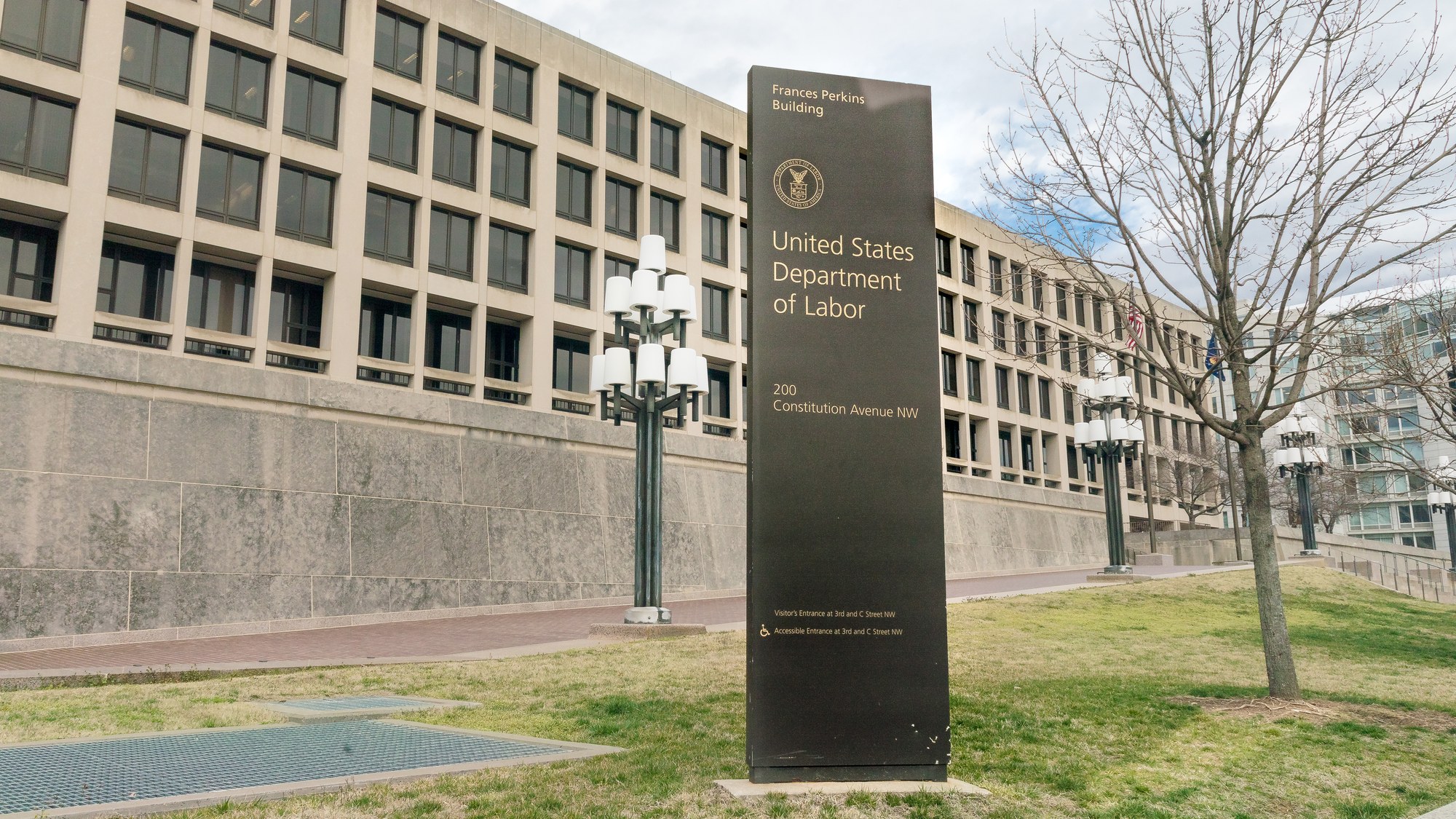
Henry Allen Gonzales, 53, of Willis, Texas, will serve 30 months in federal prison for a kickback scheme that fed his pain clinic with injured federal workers. Gonzales must also repay more than $49 million to the Department of Labor’s Office of Workers’ Compensation Programs, the agency that pays injury claims for federal employees, the U.S. Attorney’s Office announced on September 18.
Chief U.S. District Judge Charles Eskridge also ordered one year of supervised release after the prison term. Gonzales, who owned and ran Option 1 Pain & Rehab Clinic, formerly Direct Medical Clinic, remains on bond and will surrender voluntarily to a Bureau of Prisons facility that has not been named yet.
How the kickbacks worked
Gonzales admitted two things in his guilty plea, entered June 30, 2022. He paid marketers to send workers’ compensation claimants to his clinic, and he bribed doctors to sign prescriptions for compounded medications, which are drugs mixed to order by a pharmacy rather than sold as standard products.
In return, according to prosecutors, he collected more than $2 million in kickbacks from Rayford ACP Pharmacy for steering those expensive prescriptions its way. When the Rayford arrangement ended, he opened a pharmacy of his own, Farmacia, and kept billing the same federal program through it.
The pharmacies’ bills are what turned a referral racket into a $49 million loss. Rayford ACP and Farmacia received about $49,014,183.03 from the Labor Department between 2015 and 2018 on claims for compounded drugs that prosecutors say were not medically necessary. The restitution order covers more than $49 million of that sum. That is how a kickback arrangement between a clinic and a pharmacy ends up as a loss to a federal injury-compensation fund: the pharmacy bills the program for the prescriptions the clinic sends it.
Gonzales has yet to learn which federal prison he will report to, and that assignment, along with any further collection of the $49 million, is the next development in the case.
Get the next update the morning it lands →
What the prosecutor said
U.S. Attorney Aaron Reitz said Gonzales treated injured workers as a “personal ATM” while draining nearly $50 million from a federal program. The phrase points to the part of the scheme that harmed individuals as well as the government: the patients were people with job injuries, and their prescriptions were chosen for the payments they generated. Reitz added that “this kind of theft from the American people will not be tolerated.”
The case was prosecuted by Assistant U.S. Attorneys Kathryn Olson and Alexander Alum. Five agencies investigated: the Veterans Affairs Office of Inspector General, the Labor Department’s Office of Inspector General, the U.S. Postal Service Office of Inspector General, the FBI’s Houston office and the Defense Criminal Investigative Service.
The program that paid the claims
The Labor Department’s Federal Employees’ Compensation Program pays medical expenses and compensation benefits to injured workers and survivors, and it helps injured employees return to work when they are medically able. The program runs under the Federal Employees’ Compensation Act, known as FECA, and federal agencies file their employees’ claims through ECOMP, a free web application the Office of Workers’ Compensation Programs hosts. ECOMP also takes uploaded supporting documents and includes separate query systems for agencies and claimants. For medical providers, the program’s page links a bill processing portal and OWCP fee schedules, and its latest highlights note a move to electronic payments for claimants.
In the Gonzales case the claims reached the program through the bills of two pharmacies, Rayford ACP and Farmacia, which together received the $49,014,183.03 the release describes. The court noted the significant financial loss to the compensation office. The release does not name the doctors, the marketers or the owner of Rayford ACP.
The restitution is owed to the Labor Department’s compensation office. The U.S. Attorney’s release does not say how much has been paid back so far, and it does not give a projected release date for the prison term.
Where injured workers and taxpayers see these schemes coming
The Labor Department’s program page carries a link for reporting fraud, waste and abuse to the department’s Office of Inspector General, and the same page warns that OWCP has identified scammer activity and points to a page of common scams. Injured federal employees who are asked by a clinic, marketer or pharmacy to take compounded drugs they were not prescribed by their own treating doctor can report that to the inspector general through the program’s own site. The page also links to a written guide and a video on how a federal employee files a claim, along with a claim process chart that shows the timelines.
A few details separate a legitimate prescription from a billing scheme. A treating doctor chooses the drug for the injury. A marketer is not paid for a patient’s referral. A pharmacy does not rebate money to a clinic. In the Gonzales case, the payments ran between a clinic owner, marketers and a compounding pharmacy, and the claims reached the federal program through the pharmacies’ billing.
The $49,014,183.03 in claims between 2015 and 2018 and the restitution order that followed are both set out in the Justice Department’s release, which records what the court ordered.
More Financial Reading
- 24 Ways to Stretch a $2,087 Social Security Check
- 17 Places to Find Your Share of the $4.25 Billion States Give Back
- 17 Ways Retirees Are Tapping a Record $14.9 Trillion in Home Equity
This article was produced with AI assistance and reviewed by The Financial Wire’s editorial team.