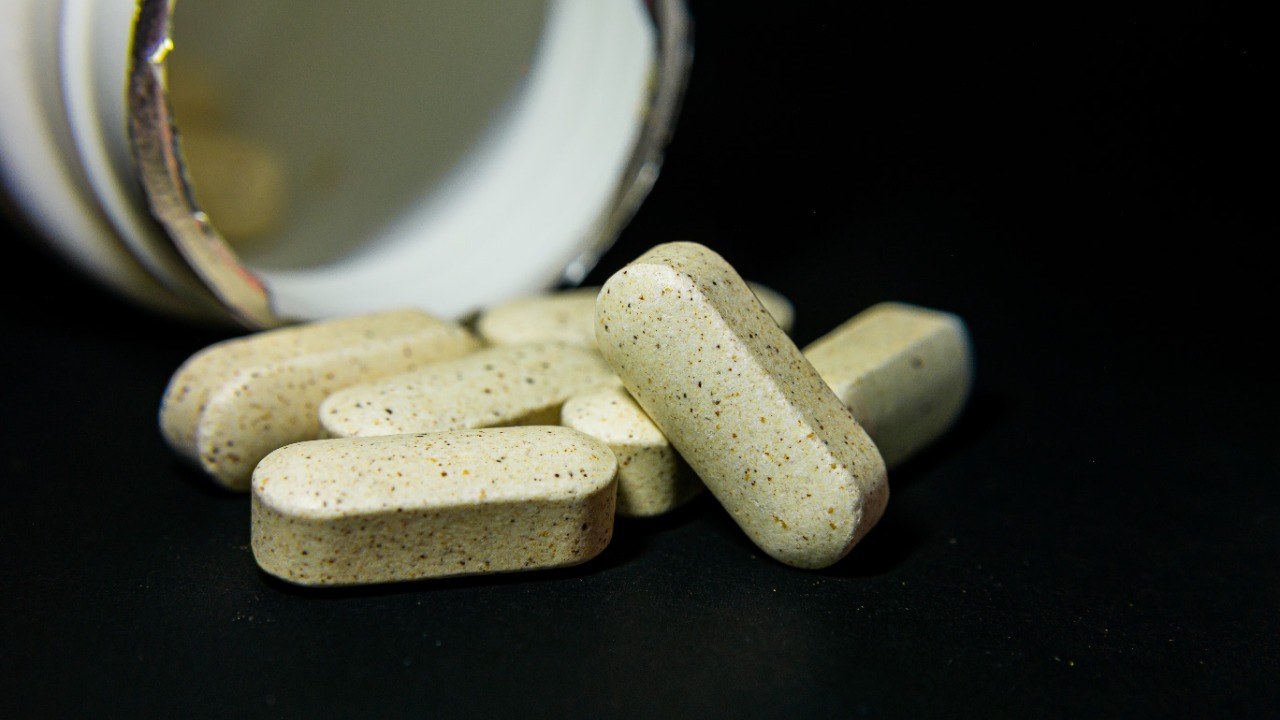
A Section 232 tariff on patented prescription drug imports took effect on September 29 for every company outside a first group named in the White House proclamation. That first group has been paying since July 31. The default rate is 100%. Generic and biosimilar drugs are not covered, and neither are several kinds of specialty drugs.
The rate is not 100% for everyone. Drugmakers with pricing agreements pay nothing until January 20, 2029, and companies from the European Union, Japan and Switzerland pay 15%. The government has not published an estimate of what the tariff does to prices at the pharmacy.
Who pays 100% and who pays less
President Trump signed the proclamation, titled “Adjusting Imports of Pharmaceuticals and Pharmaceutical Ingredients into the United States,” on April 2, 2026. It sets a base rate of 100% on patented pharmaceuticals and the ingredients used to make them. The effective date is “12:01 a.m. eastern daylight time on July 31, 2026” for the companies listed in one of its annexes, and September 29, 2026 for other companies.
The lower rates are written into the same text. Companies with Commerce Department-approved onshoring plans pay 20%, a rate that climbs to 100% on April 2, 2030. Products from the European Union, Japan, Korea and Switzerland and Liechtenstein pay 15%. The United Kingdom pays 10% under the proclamation. Companies with most-favored-nation pricing agreements pay zero until January 20, 2029. When more than one rate could apply, the lowest applies, as Wiley’s trade lawyers, including Maureen Thorson and Nova Daly, explain in their alert on the orders.
The White House fact sheet says the pricing and onshoring deals come with “approximately $400 billion in new investment commitments” from drug companies, and that generic drugs and biosimilars are not tariffed “at this time,” a decision it says will be reassessed in a year.
Anyone who takes a brand-name drug has the obvious question. Will the tariff show up in the price at the counter? The proclamation puts the duty on the import, not on the patient, and it says nothing about retail prices. The companies with pricing agreements pay no duty, and what a company with a 100% or 20% rate does about its list prices has not been announced.
A tariff that sets no price for the patient leaves the cost of a brand-name prescription where the plan and the pharmacy already put it. The Benefits Checklist covers 11 benefit programs, including Extra Help with Part D drug costs, with the 2026 income limits for each.
See the drug-cost programs behind a brand-name copay in the Benefits Checklist →
What stays out of the tariff
Generic and biosimilar drugs, as defined in the proclamation’s first annex, are exempt. So are drugs whose approved uses are all orphan-designated, which are rare-disease drugs, as long as they come from a country with a qualifying framework agreement or meet an urgent U.S. health need. Nuclear medicines, plasma-derived therapies, fertility treatments, cell and gene therapies and antibody-drug conjugates are also listed as exempt, and the Commerce secretary can designate more drugs.
A fourth annex lists the tariff codes for products not subject to the duty. That is the document a customs broker checks first, because a drug that shows up as “patented” in a pharmacy may carry a code the annex excludes.
What the Congressional Research Service counts
The Congressional Research Service lists the action in its tally of active tariffs, current as of September 30. It describes the rate as 10% to 100% globally on patented pharmaceuticals and ingredients, with rates that vary by country, and it notes that some trading partners face lower rates under bilateral deals. The pharmaceutical action sits next to Section 232 duties on steel, aluminum and copper at 10% to 50% and on trucks at 25%.
The Supreme Court invalidated the emergency-powers tariffs on February 20, 2026, the same tally says. The drug tariff is a Section 232 action, built on a Commerce Department finding that imports of patented pharmaceuticals threaten national security, and it remains on the list.
Help with brand-name drug costs that does not depend on the tariff
The free route is Medicare’s own Extra Help program, which pays part of the cost of Part D prescriptions. Medicare.gov lists the 2026 limits at $23,940 in yearly income for one person and $32,460 for a couple, with resource limits of $18,090 and $36,100. People who qualify pay $0 for the plan deductible and, at participating pharmacies, no more than $14.40 for a brand-name drug and $5.80 for a generic, the page says in its 2027 costs. Once total drug costs reach $2,400, covered drugs cost nothing.
Applications go through Social Security, either online at ssa.gov or at 800-772-1213, Monday through Friday. Bank statements, retirement account balances and pension and benefit statements for both spouses are what the form asks about. Many states also run their own drug assistance programs, and drug manufacturers have their own help programs for some brand-name medicines.
The dates to track are the next announcements from the Commerce and Health and Human Services departments on pricing agreements, since those decide which companies pay zero until 2029. The generic exemption is up for review a year after the April 2 proclamation.
Brand-name copays and the $23,940 Extra Help limit
Brand-name copays are the cost Extra Help is built to cut, but its income limit of $23,940 for one person is easy to miss by a small amount, and other programs have different cutoffs. The Benefits Checklist scans 11 benefit programs retirees most often miss, with the 2026 income limits, a 50-state phone directory and a printable application tracker.
Check Extra Help and ten more programs against your income in the Benefits Checklist →
This article was produced with AI assistance and reviewed by The Financial Wire’s editorial team.


