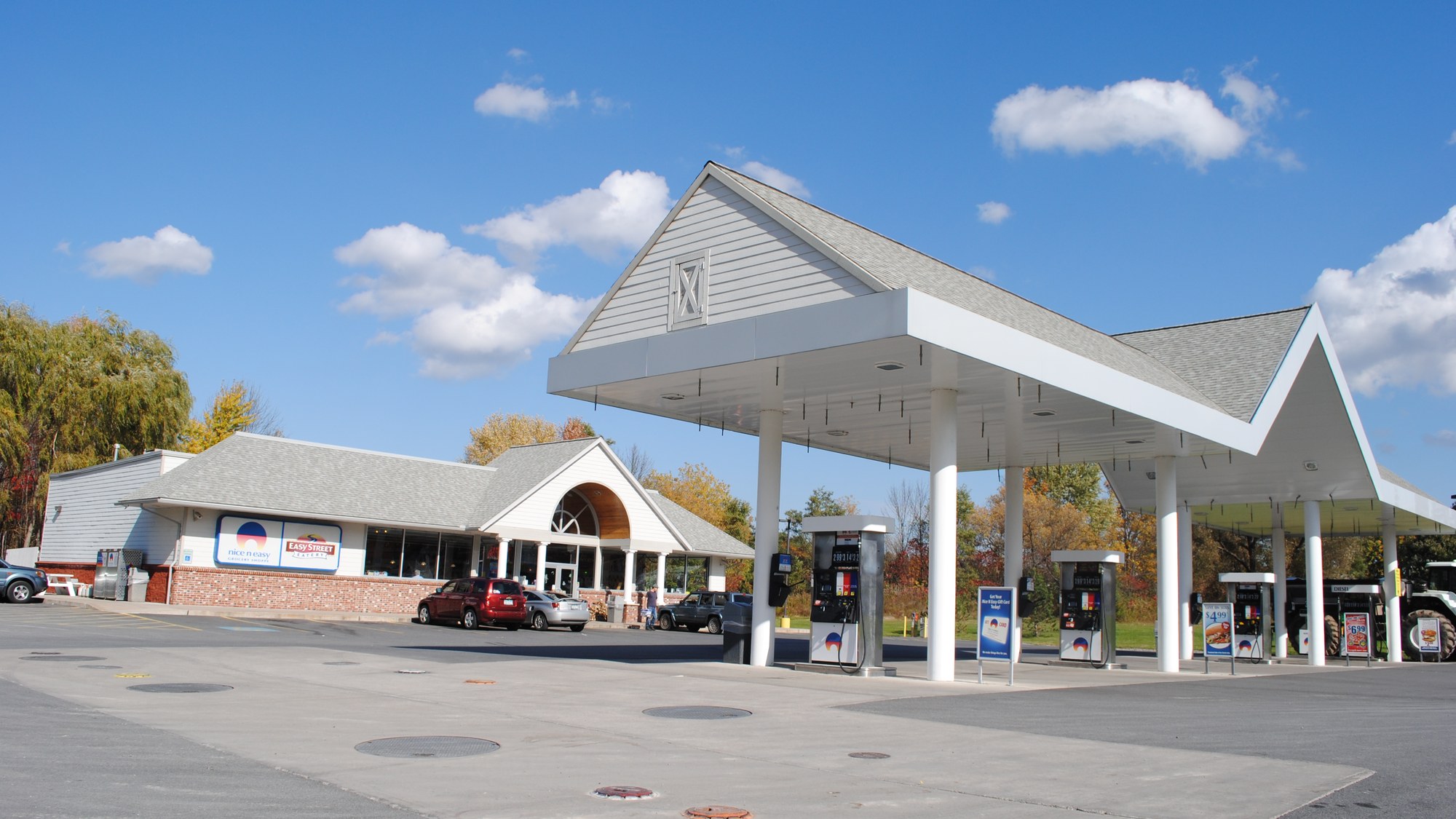
Most SNAP cards in the country still carry a magnetic stripe, the same swipe-only technology that criminals have learned to copy at a gas pump or a store register. Chip cards would close that gap, and congressional staffers told ProPublica the cost of issuing them nationwide would be about $215 million. About 40 states have likely missed the window to get help paying for them unless Congress acts.
The money at stake is large. ProPublica cites a Propel survey that puts annual losses from theft of SNAP and other benefits at more than $600 million.
Why about 40 states are still on swipe cards
The reporting comes from ProPublica’s Eli Hager, republished by WRJN on Oct. 14. It ties the deadline to the One Big Beautiful Bill Act, which cut states’ administrative funding for SNAP by 50% starting Oct. 1. States that began moving to chip cards before then, including Alabama, could use the older funding.
The remaining states are also waiting on USDA guidance on EBT card security, which ProPublica says the agency has promised for nearly four years. The $215 million estimate has not been formally scored by the Congressional Budget Office.
The federal government’s own watchdog explained why the cards are easy targets. The Government Accountability Office reported in September 2025 that most EBT cards use magnetic stripes instead of the embedded chips standard on commercial debit and credit cards, and that technical standards allowing EBT chips did not exist until August 2024. As of May 2025, only California had replaced all of its stripe cards.
How do SNAP households protect an EBT card if the state still uses swipe cards? ProPublica and Pennsylvania’s state inspector general give the same short list. Lock the card when it is not in use, change the PIN regularly, especially before the monthly benefit date, and report suspicious activity to the County Assistance Office.
What changed this year: Social Security and Medicare change every year, and nobody sends you a memo. The Retirement Money Brief breaks down what changed and what to do.
Get the Retirement Money Brief →
We may earn a commission from links on this page.
What a chip changed in California and Alabama
California is nearly finished replacing its cards. The governor’s office told ProPublica that theft of food and cash benefits there fell “by as much as 83%” in two years. Alabama began distributing chip cards this year and says it has had no confirmed EBT theft cases since.
Oklahoma began rolling out new cards this year as well, and a handful of other states started in recent months. Michael Peck, an assistant special agent in charge in the Secret Service’s Criminal Investigative Division, told ProPublica, “One of the biggest ways we’re going to fight this is to just get chips in the cards.” House Agriculture Committee Chairman Glenn Thompson, a Pennsylvania Republican, called chip technology “very effective.”
The Congressional Research Service notes in its Insight on EBT skimming that card-issuance costs are a state administrative expense, which the federal government has shared at 50%.
The replacement program that ended in December 2024
For two years, stolen benefits were replaced with federal money. GAO says states replaced over $320 million for nearly 679,000 households in 52 states between Oct. 1, 2022, and Dec. 20, 2024. The agency adds that the true total is higher, since those figures count only approved claims.
Thefts on or after Dec. 21, 2024 are not eligible for federal replacement. CRS says debit and credit card holders have legal liability protections, but EBT cards are exempt from Regulation E, the federal rule that sets those limits. A household that is skimmed now has no federal replacement program to turn to, and an Oregon caseworker, Norman Vogele, told ProPublica that reporting to police brings “zero recourse.”
A skimmer found in a Pennsylvania 7-Eleven
One case from this year shows how it works. The state Office of State Inspector General announced on March 20 that two people were arrested in New Jersey after a skimming device was found at a 7-Eleven in Milton, Northumberland County. Investigators say the device was an exact copy of the store’s payment terminal, attached to the real one around Feb. 7, and that a Bluetooth device pulled stolen card data from it.
Investigators say the stolen account information was used for purchases at BJ’s Wholesale and Sam’s Club locations in Pennsylvania and New Jersey. The charges are accusations, and the defendants are presumed innocent. State Inspector General Michelle A. Henry said the office will pursue this fraud aggressively, and the release gives a tipline, 1-800-932-0582, for reporting suspected skimming.
Kym Ayodeji, a former data scientist in the SNAP program, told ProPublica that the people who worked on fraud have thinned out: “Many of us who were working on fraud, we’ve left the federal government entirely.” A Secret Service official quoted in the same report said that after one skimming crew is taken off the street, “there’s 10 more that are doing the same thing.”
Will Congress fund the chips before more cards are copied?
ProPublica’s reporting leaves one condition on the table for the roughly 40 states: they miss the window “unless Congress acts.” Until a chip card arrives, the safeguards available to SNAP households are the ones the cards allow: a lock, a changed PIN and a close look at the balance. Whether those are enough is what the next round of funding decisions will answer.
Still swiping an EBT card in a state without chips?
When a swiped EBT card is copied, the thief empties the balance first, and no federal replacement program exists to refill it. The first hour after a card is copied decides how much more of a household’s money and identity is at risk.
The Senior Fraud Defense & First-Hour Recovery Kit gives that hour a plan. It includes the free credit-freeze steps, and Part 2, The First Hour, walks through what to do right after a card or account is compromised. This is the broader fraud job behind the EBT story, not a replacement for the state’s card lock or the County Assistance Office.
Get the first-hour plan and credit-freeze steps in the Senior Fraud Defense Kit →
More Financial Reading
- 15 Places to Find Your Share of the $4.25 Billion States Give Back
- 21 Ways to Stretch a $2,087 Social Security Check
- 15 Ways Retirees Are Tapping a Record $14.9 Trillion in Home Equity
This article was produced with the assistance of AI and reviewed by the editorial team.