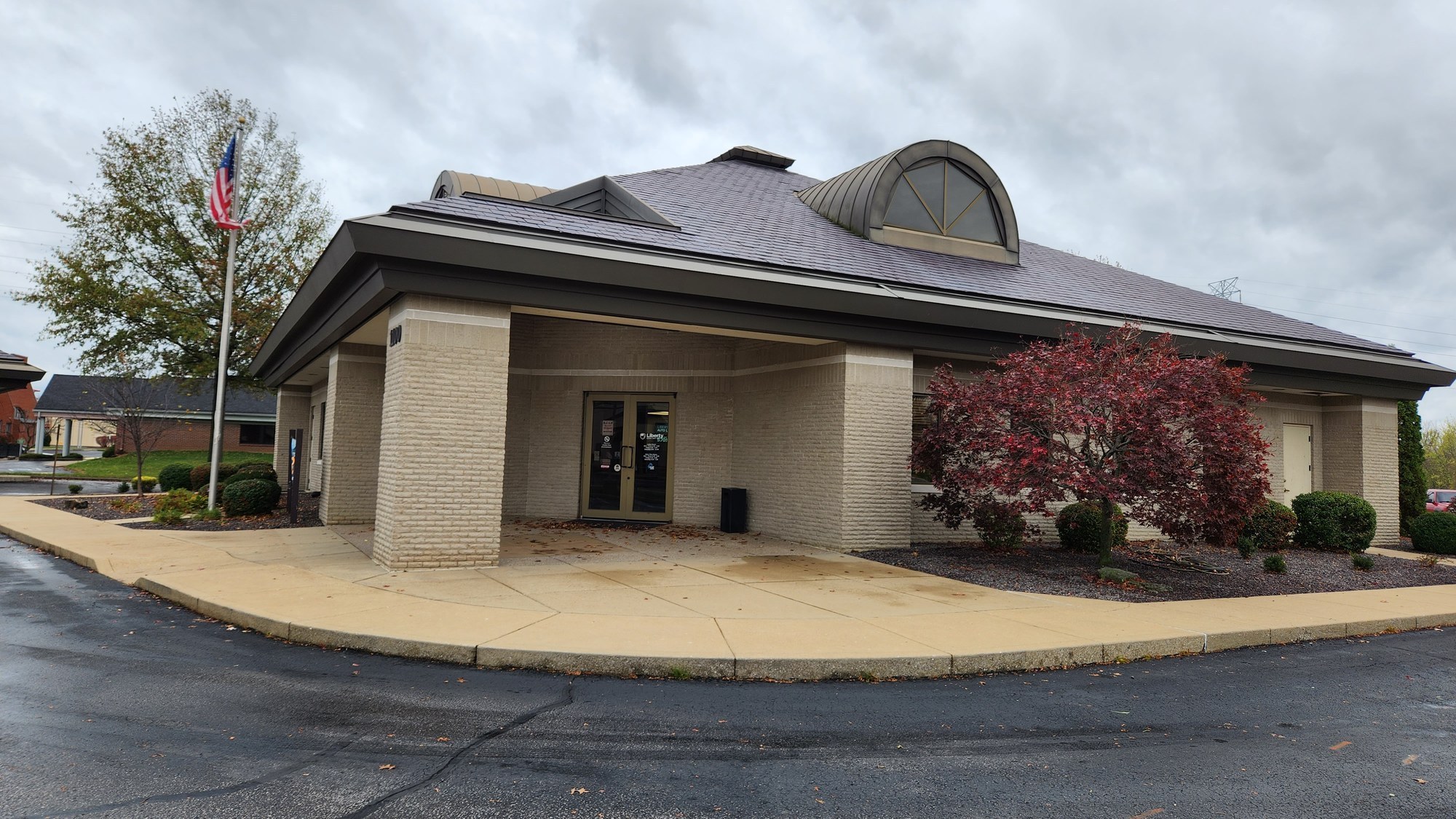
The National Credit Union Administration, the federal regulator of credit unions, is offering federal grants of up to $15,000 to low-income credit unions that suffer natural-disaster damage, and the program has no application deadline. NCUA announced the money on October 15, billing it as help for credit unions affected by hurricanes. The check goes to the institution, not to its members, but it pays for the repairs that get a storm-struck branch open again.
What the $15,000 covers
The grants come from NCUA’s Community Development Revolving Loan Fund, through its Newly Chartered and Urgent Need program. The agency says eligible credit unions can receive up to $15,000. That figure is a ceiling for each credit union, so a branch with modest damage may be awarded less.
NCUA lists three uses. Money can repair disaster damage to the credit union, replace equipment needed to restore member services quickly, such as after a storm-related power outage, or fund financial services for affected members, such as a special loan program that helps cover recovery costs.
The announcement does not name a particular storm or list affected counties. Eligibility turns on the credit union’s own situation, not on a disaster map. The notice went out between NCUA’s October 14 and October 20 deregulation announcements. The program guidelines describe natural disasters broadly, and hurricanes are the example NCUA chose to emphasize this month.
Which credit unions qualify
A credit union must hold the low-income designation under NCUA rules, sections 701.4 and 741.204. It also needs an active registration in the federal System for Award Management and a Unique Entity Identifier. NCUA’s grant guidelines say registration in that system is free but must stay current while an application or award is open.
What changed this year: Social Security and Medicare change every year, and nobody sends you a memo. The Retirement Money Brief breaks down what changed and what to do. Bonus when you subscribe: our Bank, Debt & Protected-Benefit Checkup.
Get the Brief and the bank checkup →
We may earn a commission from links on this page.
The disaster-relief grant covers uninsured costs after a declared disaster or an event outside the credit union’s control that closed a branch or disrupted services. Eligible costs include vendor repair fees, member services offered at another location, extra staff hours, consulting fees and special member loan programs.
Timing is generous. The project period runs six months from the date of the disaster, and costs from the event date through the award notification may be reimbursed. A credit union that paid a repair vendor in the first week after a flood can therefore ask NCUA to cover that bill.
No deadline, but a reason to hurry
NCUA says the grants are available year-round, and the press release states that there is no deadline for the application. The agency still tells credit unions to apply as soon as possible after the event, so funds can be disbursed on time. Applications are non-competitive and are judged on eligibility, merit and available funding.
Credit unions apply through NCUA’s online award management system. The application asks for a project title of up to 100 characters, the amount requested, a summary with an action plan, risks and how they will be handled, community impact, the event date, insurance coverage and a detailed budget.
Questions go to the Office of Credit Union Resources and Expansion, known as CURE. Its address is CUREAPPS@ncua.gov and its phone number is 703.518.6610. The guidelines say responses take 48 to 72 hours, which matters for a credit union running on a temporary phone line.
Most awards are paid by reimbursement after the project is finished and documented. Awards of $15,000 or more may request partial reimbursements, no more often than quarterly. A credit union with a damaged lobby usually has to front the repair cost first.
Smaller institutions get some cash-flow help. Credit unions with under $25 million in assets may request an advance of up to 25 percent of the award, which would be $3,750 on a full $15,000 grant. That advance must be spent within 90 days.
Some costs are off the table. NCUA will not pay recurring expenses such as rent, utilities, audits and routine office supplies, nor alcohol, promotional items or matching funds. It also bars payments to employees or board members and contracts with insiders or their relatives. Records must be kept three years after the final reimbursement request.
The $15,000 figure is the standard cap, not a hard limit for every applicant. Credit unions in the weakest risk tier, with any component rating of 4 or 5, can receive up to $25,000 but may hold only one open grant. NCUA may also change the amount for specific events and says it will announce any change publicly.
What members of a damaged credit union should expect
Members never apply for this money, and the release promises them no payment. What it does is shorten the time a damaged branch stays dark, since the grant can buy replacement equipment and fund a recovery loan program. NCUA has not said how large the fund is or how many credit unions have applied.
Members of a low-income credit union in a storm zone can ask their branch whether it plans to apply. A credit union that has not filed is leaving a $15,000 reimbursement open with no deadline pressing it. A member whose own income or bill-paying was disrupted by the same storm still has to sort out those accounts separately.
Is your credit union one that took the storm?
A storm that closes a branch does not pause the bills. Members whose credit union is dark for repairs can miss a payment, and a collector’s call can follow before the lobby reopens.
The Bank Account & Debt Protection Kit lays out the debt-validation steps for making a collector prove a debt, plus a debt inventory, call log and deadline tracker. Part 4, "When a Collector Calls," covers exactly that first conversation.
Get the debt-validation steps and call-log tracker for storm-season bills →
More Financial Reading
- 21 Ways to Stretch a $2,087 Social Security Check
- 15 Places to Find Your Share of the $4.25 Billion States Give Back
- 17 Medicare Money Moves Now That Part D Caps at $2,400
This article was produced with AI assistance and edited for accuracy against the sources linked above.