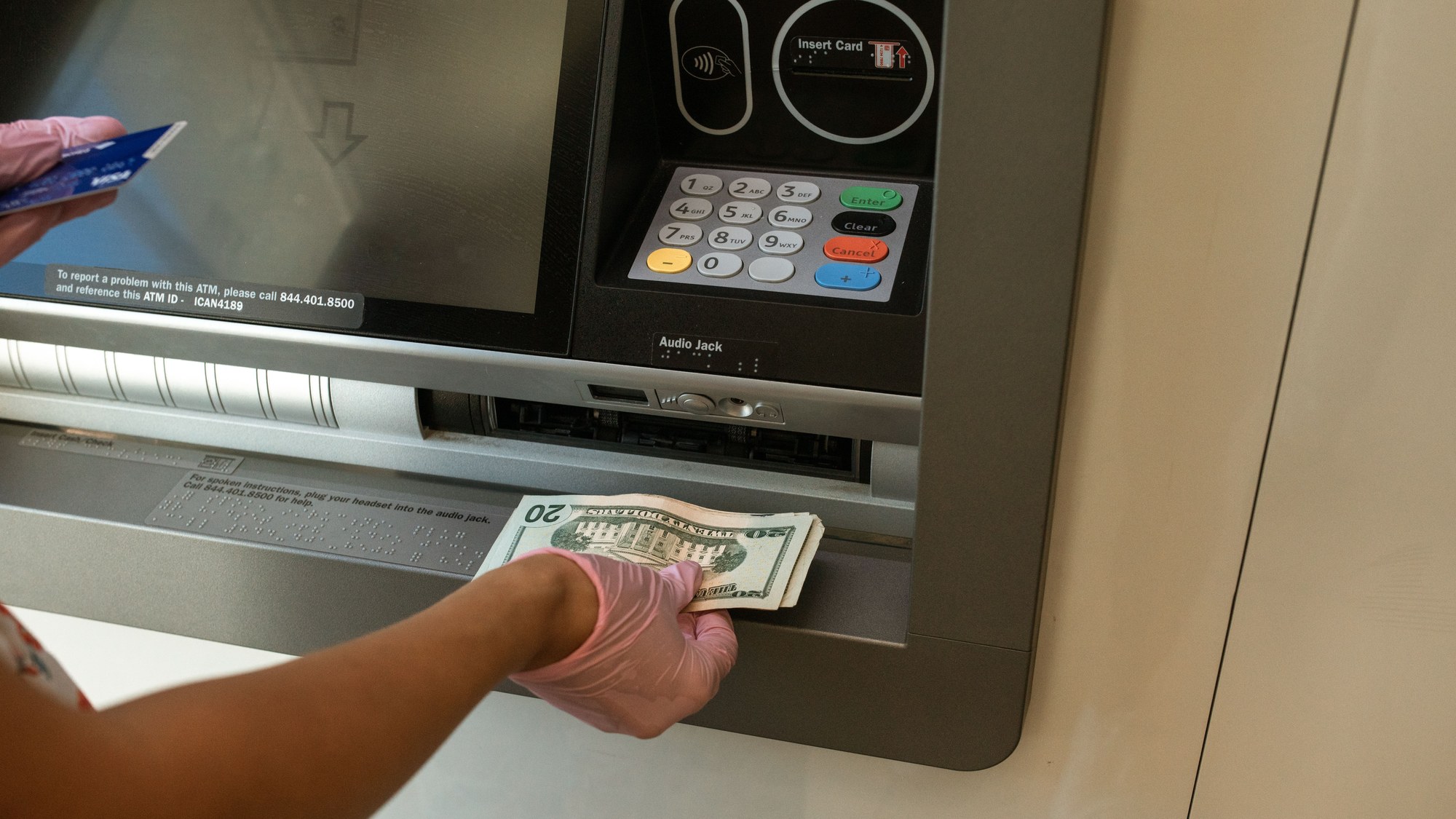
Fidelity’s crypto arm has agreed to pay California $500,000 over limits it put on customers withdrawing their digital assets. Attorney General Rob Bonta announced the settlement on October 16. The money covers the state’s fees and costs, and the announcement says nothing about payments to the customers who could not move their crypto.
What California says Fidelity did
Bonta’s office says Fidelity Digital Asset Services, the cryptocurrency subsidiary of Fidelity Investments, restricted withdrawals of certain cryptocurrencies. The state alleges those restrictions violated the California Commodity Law, which bans commodity contracts made mainly for speculation or investment unless the commodity is delivered. The settlement resolves that claim without a court ruling.
The law bars commodity contracts made mainly for speculation or investment unless the dealer delivers the commodity to the buyer within 28 days of payment. For crypto, the state treats delivery as complete only when the investor can withdraw the asset from the platform. A balance that cannot leave the platform does not count.
What changed this year: Social Security and Medicare change every year, and nobody sends you a memo. The Retirement Money Brief breaks down what changed and what to do.
Get the Retirement Money Brief →
We may earn a commission from links on this page.
Bonta put it bluntly in the announcement. “Investors have a legal right to full, unrestricted access to what they buy,” he said. He added that by restricting cryptocurrency withdrawals, Fidelity Digital Asset Services “left California investors in limbo.”
Fidelity does not accept that description. The company disputes that it violated California law, and the signed agreement says it denies wrongdoing and enters the deal without admitting any violation. The agreement cannot be used as evidence of wrongdoing in other proceedings, except when the attorney general enforces it.
How long the withdrawal block lasted
The settlement agreement covers conduct from November 1, 2022 to June 20, 2025. Transfers were unavailable to California customers from November 2022 through April 2025. The rollout of withdrawals to every California customer was finished by June 2025.
The case grew out of an earlier one. In September 2024 the California Department of Justice settled with Robinhood Crypto over a similar failure to let investors withdraw digital assets. That inquiry showed Fidelity’s unit had a similar restriction during its first two years of operation.
When state lawyers contacted the company, it said it was not allowing withdrawals because it was waiting for permission from the New York Department of Financial Services. That agency granted permission in April 2025, and the company turned withdrawals on. The attorney general’s announcement presents that sequence as the explanation the company gave.
The business has changed shape since. The agreement says the unit became a national trust bank effective December 12, 2025. The settlement is signed by that successor entity, which is the party obligated to make the payment and follow the new transfer terms.
What the agreement requires from here
The payment is $500,000, sent by electronic funds transfer within 30 days of receiving written payment instructions from the attorney general. The agreement describes it as being “in recognition of the Attorney General’s fees and costs” and as settlement of claims released under the deal. It does not call the money a civil penalty.
Customers are not named as recipients of anything. The announcement does not mention restitution, and the payment terms in the agreement run only to the state. A California customer who was locked out of withdrawals during the covered period has no claim process to follow under these terms.
Going forward, California customers can transfer crypto from Fidelity to external wallets, subject to applicable laws. If the company ever stops offering transfers to retail customers, it must give California customers reasonable written notice. That notice rule is the main protection written into the agreement.
Two carve-outs matter for anyone planning around the account. Fidelity may still restrict or disallow transfers when needed to protect the security of the platform and its accounts. It also plans to launch California Fidelity Crypto IRA accounts but has no obligation to offer transfers for tax-advantaged accounts governed by federal law, such as those under 26 U.S.C. 408.
Why access matters as much as the balance
The complaint here is about access, not a vanished balance. Customers held the assets but could not move them out for about two and a half years. Under the state’s reading of the commodity law, that gap is what made the arrangement unlawful, regardless of what the account showed on screen.
The terms reach California customers only. They do not describe protections for account holders in other states, and they do not change the rules at other crypto platforms. The only other company named in the announcement is Robinhood Crypto, which settled in 2024 over the same kind of restriction.
The open question for any retiree holding digital assets on a platform is simple and practical. Can the money come out when it is needed, and what does the account agreement say if a transfer is limited, paused or frozen? Fidelity’s California customers now have that answer in writing. Customers elsewhere have only the terms they accepted.
Could an account freeze when the money is needed?
A balance that cannot be withdrawn is not spendable, and the Fidelity case shows how long that can last. A bank account that gets frozen by a creditor works the same way for Social Security money sitting in it.
The Bank Account & Debt Protection Kit covers bank accounts, not crypto platforms. It explains the 2-month bank protection rule for Social Security money and lays out the frozen-account response, step by step.
Get the kit’s frozen-account response and 2-month bank protection rule →
More Financial Reading
- 21 Ways to Stretch a $2,087 Social Security Check
- 15 Places to Find Your Share of the $4.25 Billion States Give Back
- 21 Ways Retirees Can Raise $1,000 Fast Without a Job
This article was produced with AI assistance and edited for accuracy against the sources linked above.