Florida insurers had closed 8,413 Hurricane Isaias claims without paying a dollar as of October 20, and 6,355 of them were closed for administrative reasons, according to the state’s insurance regulator. Only 1,203 were closed because the damage fell below the deductible. The biggest category is not a coverage denial at all, which matters to anyone holding a closure letter.
What “administrative reasons” covers
The Florida Office of Insurance Regulation (OIR) sorts claims closed without payment into five reasons. Administrative reasons lead with 6,355, followed by 1,203 where damage fell below the deductible, 694 for other coverage exclusions or no policy in force, and 161 with no flood coverage. Fraud shows zero. Together the five add up to 8,413.
OIR says administrative closures can include a claim where the insured only made an inquiry, a claim the policyholder withdrew, a duplicate or one opened in error, a wrong date of loss, or a lack of cooperation or communication by the insured. None of those is a ruling on whether storm damage is covered. Insurance Journal reported that the category is new to OIR reporting this year.
It is also large. Administrative reasons account for about 76 percent of the claims closed without payment and 53 percent of all 11,968 closures so far. By line of business, they cover 5,554 of the 7,277 homeowners claims closed without payment and 394 of the 509 private passenger auto claims.
For a policyholder, the question is which bucket a closed claim landed in. Someone who called only to ask about coverage, or who missed an adjuster’s call, may hold a closure that the insurer counts as administrative. Anyone in that spot can ask the insurer in writing why the file was closed and what it needs to proceed, and keep a record of every contact.
Retirement deadlines, in your inbox: Miss an enrollment or claim deadline and the money can be gone. The Retirement Money Brief keeps you ahead of the ones that matter, every weekday.
Get the Retirement Money Brief →
We may earn a commission from links on this page.
Why so many claims end without a check
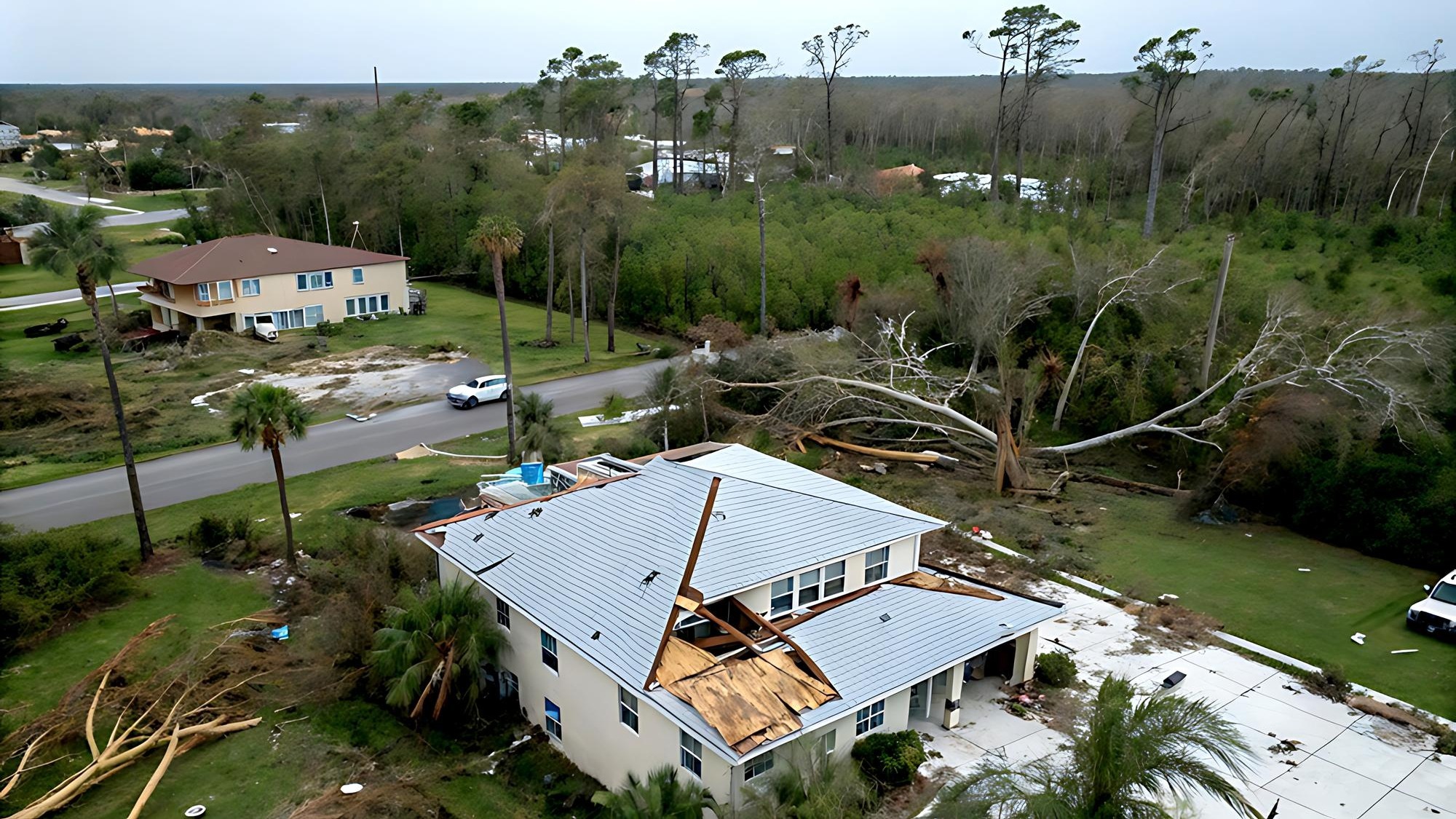
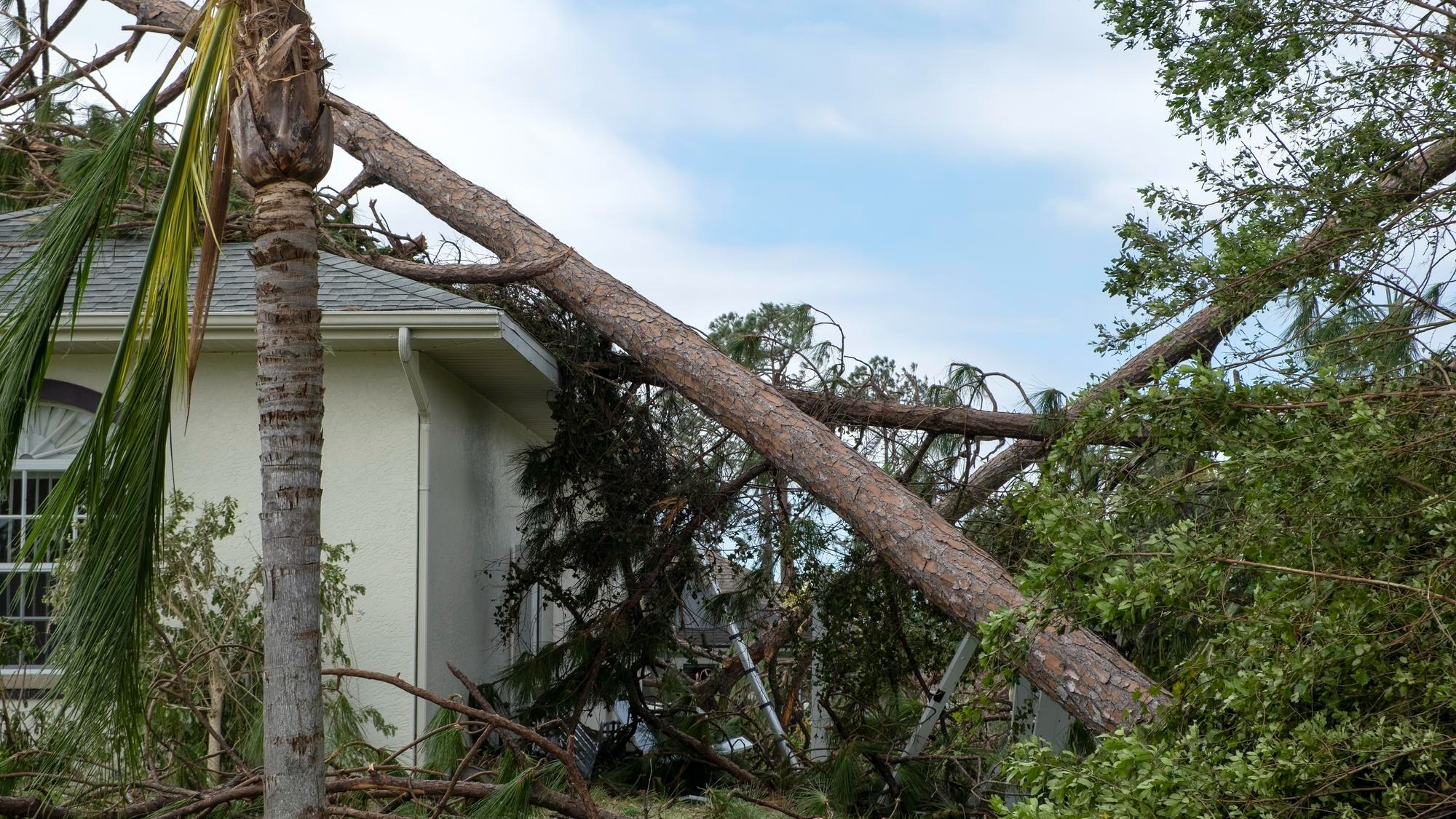
Keith Goolsby, an agent at The Siler Agency in Pensacola, told Insurance Journal that some policyholders filed claims for trees that never touched their homes, for tree removal their homeowners policy does not cover, or for damage under the deductible. Those are the kinds of claims that close without a check.
The deductible bucket is the plainest example. Damage that costs less than the deductible produces no payment, however real it is. Some 1,203 claims, about 14 percent of the closures without payment, ended that way, including 1,061 homeowners claims.
Coverage gaps account for the rest. Another 694 claims closed because of other exclusions or no policy in force, and 161 because the property had no flood coverage. Private flood policies themselves drew only 100 claims, and 9 of those have closed without payment, all for administrative reasons.
Closures are moving quickly. Insurance Journal reported that 12 percent of claims were closed by October 15, almost all without payment, and OIR’s October 20 data shows 21.8 percent closed. Of the 11,968 claims closed so far, 3,555 ended with a payment and 8,413 without one, roughly 70 percent.
Most closures sit in homeowners policies. Residential property accounts for 7,785 of the 8,413, with homeowners at 7,277 and dwelling policies at 398. Private passenger auto adds 509, commercial property 78 and mobile homeowners 107.
Three counties hold nearly nine in ten of the closures without payment. Santa Rosa has 3,045, Escambia 2,741 and Okaloosa 1,520, together 7,306 of the 8,413. Okaloosa’s mix stands out, with 1,520 closed without payment against 221 closed with a payment.
Options after a closed claim
The Florida Department of Financial Services says to start with the insurer. Most issues can be resolved within 30 days, according to the department. If the insurer does not fix it, the department’s Consumer Assistance Portal takes a complaint, assigns a specialist and gives insurers and agents 14 days to respond.
The department’s limits are real. It can require a company to explain what it did and check the response against Florida law, but it cannot decide fault, set the value of a claim or compel a payment where no law, rule or policy provision was broken. That makes the next route more important for disputes over money.
That route is the state’s residential property mediation program. A dispute has to involve the cause of damage or the amount offered, and be $500 or more after the deductible. The insurer pays the entire $350 cost, and the conference must take place within 21 calendar days of the mediator’s assignment.
Mediation is non-binding and works as a step before appraisal or a lawsuit. All named insureds on the policy must attend, and an attorney is optional if the department and the mediator get 14 days’ notice. A policyholder who settles has three business days to rescind if the check has not been cashed.
A request can be made online at the department’s mediation page, by calling 1-877-693-5236, or by mailing the Mediation Section in Tallahassee. The department’s page does not list a deadline for asking after a denial, so the dates in the closure letter and the policy are the ones to watch.
The 8,413 closures are a fraction of a claims pile that has not been worked through, since 41,375 claims still show no payment. OIR does not split the 6,355 administrative closures between claims people withdrew and claims insurers closed for lack of contact. That split decides how many of them could still turn into payments.
Was your Isaias claim closed in error?
A closure letter can hide a claim that only needed a returned call, and a household that waits to ask keeps paying for repairs in the meantime. With 6,355 claims closed for administrative reasons, that gap is where many households sit.
The Benefits Checklist does not reopen an insurance claim. It covers the household costs around one: it scans 11 benefit programs, including heating help, SNAP and property-tax breaks, with the 2026 income limits and a 50-state phone directory, and a printable tracker that comes with the download.
Get the printable application tracker and 11-program checklist →
More Financial Reading
- 21 Ways to Stretch a $2,087 Social Security Check
- 15 Places to Find Your Share of the $4.25 Billion States Give Back
- 15 Ways Out of 22% Credit Card Interest
This article was produced with AI assistance and edited for accuracy against the sources linked above.