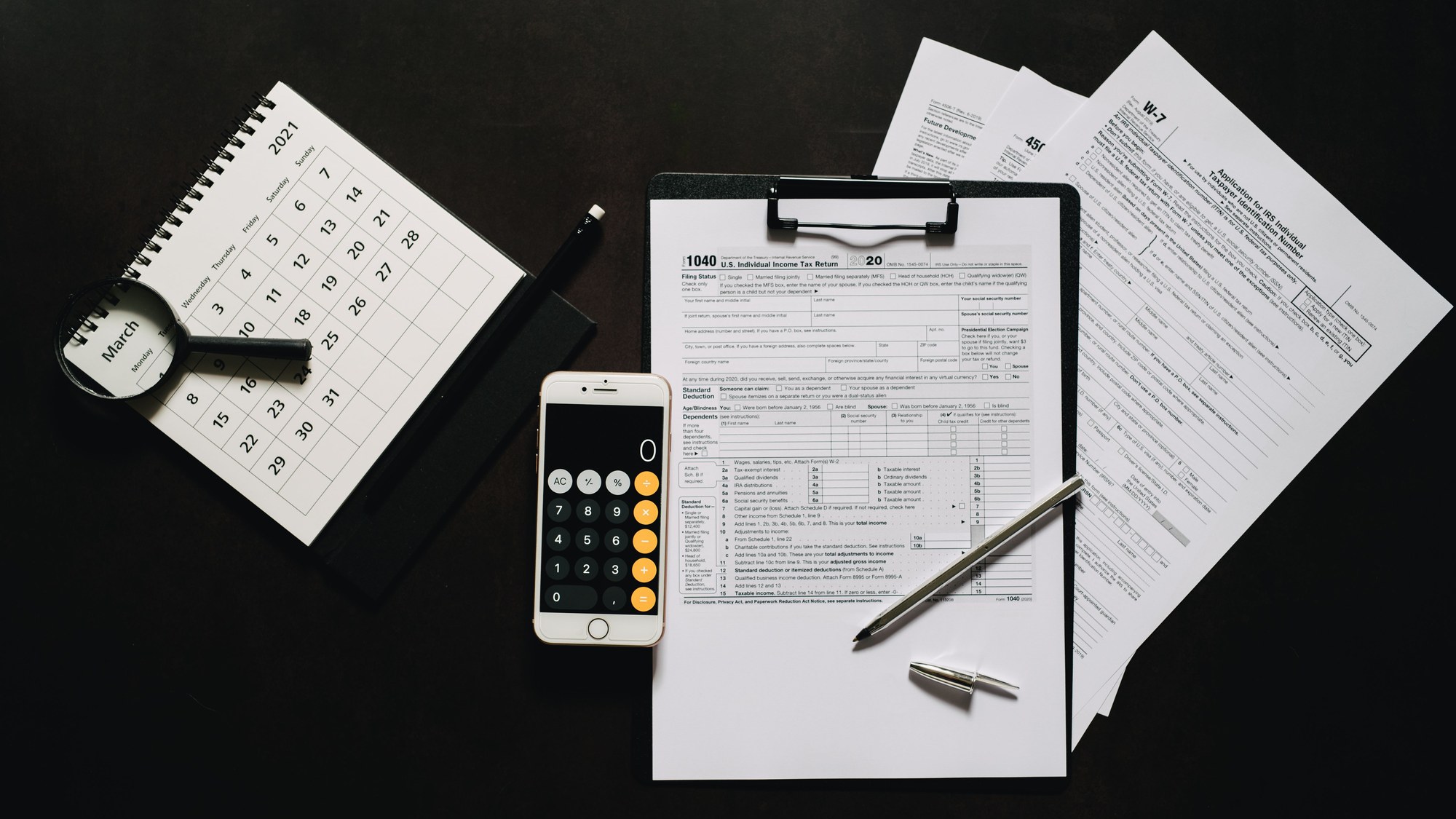
The IRS is retiring one of its most-used penalty breaks. First Time Abate, the waiver taxpayers had to ask for, ends for returns with original due dates on or after January 1, 2027, and an automatic program called Automatic Exemption from Penalty takes its place, the IRS announced in release IR-2026-83 on July 8, 2026. The new program is narrower than many people assume.
First Time Abate has long let taxpayers with a clean record get a late-filing or late-payment penalty removed after the bill arrived. Under the new rules, the IRS says it will not charge those penalties in the first place for people who qualify. IRS CEO Frank J. Bisignano said taxpayers “should not have to make a formal request for relief that is routinely granted.”
How the automatic exemption works
The exemption applies to eligible original returns beginning with tax year 2025 and to 2026 quarterly returns, according to the IRS. A taxpayer qualifies by having filed on time and paid any tax due in each of the three prior years. For quarterly business returns, the test is 12 consecutive quarters of timely filing and paying.
No application is needed. When the return finishes processing, the IRS applies the relief and sends a notice explaining that the exemption was used. The agency lists Forms 1040, 1065 and 1120, along with payroll forms 940, 941, 943, 944 and 945 and Form CT-1, as covered returns.
People who file late and have a clean three-year history should now see no penalty at all. Anyone who believes the exemption was missed, because a notice shows a penalty anyway, can call the IRS using the number on the notice. That is the question for any retiree who files late once, perhaps after a move, an illness or a lost 1099, and wonders what the bill will look like.
Retirement deadlines, in your inbox: Miss an enrollment or claim deadline and the money can be gone. Join the Retirement Money Brief and we’ll send you our 2026 Government Check Reality Tracker as a welcome gift.
Get the Brief + the check tracker →
We may earn a commission from links on this page.
The three penalties it covers
The exemption reaches only three penalties: failure to file, failure to pay and failure to deposit. The IRS penalty relief page, updated October 22, 2026, ties them to specific sections of the tax code. Failure to file applies to late returns. Failure to pay applies to tax left unpaid after the due date. Failure to deposit applies mostly to employers and the self-employed.
Those penalties add up fast. The failure-to-file penalty is 5% of the unpaid tax for each month a return is late, capped at 25%. For returns due after 2025 that are more than 60 days late, the minimum is $525 or 100% of the tax owed, whichever is less.
Estate and gift tax returns are left out
The IRS says returns filed only because of a specific transaction or infrequent event are generally not eligible. Its release names Form 706, the federal estate tax return, and Form 709, the gift tax return, as examples. Families settling an estate or reporting a large gift do not get the automatic exemption.
Information returns are also generally excluded, according to the release. The penalty relief page adds the daily delinquency penalty, charged each day on certain late business filings, and information reporting that depends on another filing. A late 706 or 709 therefore has no automatic exemption, even for someone with a spotless record.
Accuracy penalties stay outside
The exemption does not cover accuracy-related penalties. Those are a separate charge, 20% of the underpayment when a return understates tax through negligence or a substantial understatement. For individuals, that means understating tax by the greater of 10% of the correct amount or $5,000.
The IRS says those penalties can still be reduced for reasonable cause. Reasonable cause is decided case by case. Accepted reasons include fires and disasters, death or serious illness in the family, and inability to get records. Relying on a tax professional, not knowing the rule, or lacking funds alone generally do not count.
What changes during the transition
The switch is gradual. The IRS says it began phasing out First Time Abate in summer 2026, and some qualifying taxpayers may still get penalty notices for eligible 2025 and 2026 quarterly returns. Those taxpayers can request First Time Abate by phone or in writing.
The written route is Form 843, Claim for Refund and Request for Abatement. The request does not have to name First Time Abate, and no supporting documents are needed because the IRS reviews the account. The free official route is the IRS administrative penalty relief page.
The relief has limits. Taxpayers still owe the tax itself and any interest, plus penalties the program does not cover, the IRS says. Interest on a penalty is dropped automatically once the penalty is removed.
A late return is still costly
The new program rewards a clean record, and a missed deadline can still cost money. People who qualified for First Time Abate by phone in the past now face a different test. Three clean years open the door, and a single recent slip can close it.
The IRS has not said how many taxpayers it expects the program to reach. Retirees on fixed incomes who file late face the same question each time a notice arrives: is this penalty one of the three the IRS will drop, or one that needs a written case?
Got a late-return notice before 2027?
A late return or an underpaid bill can bring penalties that the new exemption does not touch, and interest keeps running on every dollar left unpaid. For retirees, the larger cost often starts earlier, in how much Social Security and retirement income gets taxed at all.
Cut Your Retirement Tax Bill: 12 Moves lays out the income lines that set a retiree’s tax bill, in 2026 numbers. It includes the new $6,000 senior deduction ($12,000 for a couple) for 2025 through 2028 and how much of your Social Security is taxed, worked out on one worksheet. It also puts the 2026 numbers on one page.
Get the 12-move retiree tax-bill guide and 2026 numbers page →
More Financial Reading
- 21 Ways to Stretch a $2,087 Social Security Check
- 15 Places to Find Your Share of the $4.25 Billion States Give Back
- 15 Steps to Stop the Scams That Took $7.7 Billion From Seniors
This article was produced with AI assistance and edited for accuracy against the sources linked above.