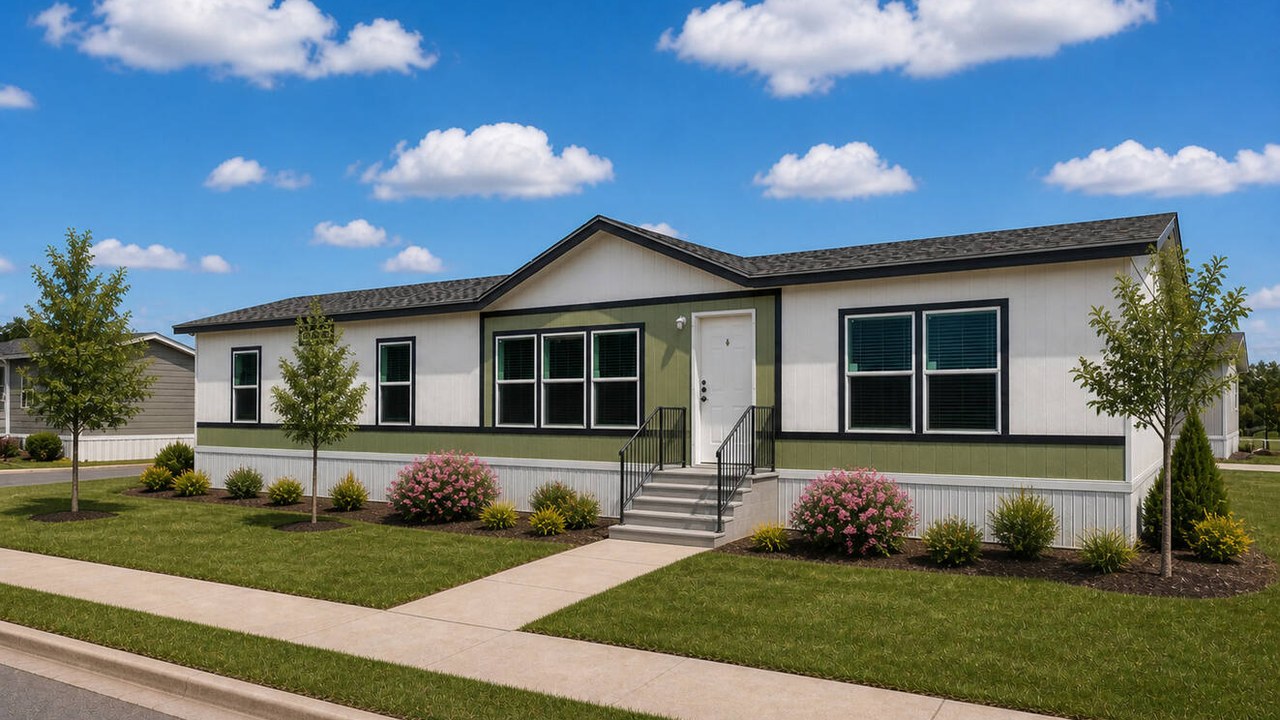
A new federal Task Force on Manufactured Housing Innovation has until about April 20, 2027 to hand the White House its recommendations, under an executive order signed Oct. 22. The order sets up a committee and a clock. It does not change a zoning rule, a loan term or a fee for anyone who lives in, or wants to buy, a factory-built home.
The order, titled “Decreasing Housing Costs for the American People,” says in Section 3 that the task force “is hereby established” and that it must report “within 180 days of the date of this order.” That is the only fixed date in the document, and it is a deadline for paperwork, not a date on which any benefit starts.
Who sits on the manufactured-housing task force?
The Secretary of Housing and Urban Development and the Director of the Federal Housing Finance Agency, or people they designate, co-chair the group. The Secretaries of Agriculture, Commerce and Veterans Affairs, or their designees, are the named members, and the co-chairs may invite other agencies to join.
FHFA matters here because it oversees Fannie Mae and Freddie Mac, the two companies that buy and back most American home loans. HUD already sets the national construction and safety standard for manufactured homes, so the group puts the main federal rule-writer and the main federal mortgage regulator at the same table.
Is anything in the order in force for homeowners?
For a household that owns or rents a manufactured home, the answer today is no. Section 6 states that the order “is not intended to, and does not, create any right or benefit, substantive or procedural,” and that it is to be carried out “consistent with applicable law and subject to the availability of appropriations.”
No dollar figure for savings appears in the section on manufactured housing. The White House has not said what a standardised permit or a reciprocal approval would be worth to a buyer, and HUD and FHFA have not announced a rule, a fee change or a new loan product tied to the task force.
Anyone weighing a purchase of a factory-built home, a refinance or a move in the next several months would be deciding on the prices, loan terms and local permits that exist now. Whether the group’s report leads to cheaper permits or easier financing is a question for spring 2027 at the earliest, and then only if agencies or Congress act on it.
Retirement deadlines, in your inbox: Miss an enrollment or claim deadline and the money can be gone. Join the Retirement Money Brief and we’ll send you our Property Tax & Utility Relief Finder as a welcome gift.
Get the Brief + the relief finder →
We may earn a commission from links on this page.
What is the task force supposed to recommend?
The order tells the group to send recommendations to the President through the Assistant to the President for Economic Policy. The topics are standardised specifications and certifications for factory-built homes, recognition by one jurisdiction of approvals given by another, removal of duplicate reviews, use of federal financing tools, and more competition while safety standards stay in place.
The group must also weigh whether federal grants could push states and cities toward standardised permitting, and it is to prepare recommendations for Congress. The order adds that agencies are to act on the recommendations within their existing authority, which means any later change would still have to come through a separate agency rule or a law.
What else did the same order direct?
The housing order has other sections, and they are separate from the task force. Section 2 deals with mortgage insurance and Section 4 with title insurance on refinances; in both, the FHFA Director is told to act only if he decides it is in the interest of the agency or the two mortgage companies. Section 5 tells the Agriculture and Veterans Affairs Secretaries to reduce interest rates on the single-family loans their departments make directly, again consistent with law and available appropriations.
None of those sections carries an effective date either. Each is a direction to an agency, and each would need the agency to take a further step before a borrower sees any difference in a payment or a closing bill.
What does a 180-day clock actually mean?
A reporting deadline in an executive order is a target for staff work, and it can pass without a public document. Recommendations go to the President, not to the public, so the first sign of a change would be a proposed rule, a notice from HUD or FHFA, or a bill in Congress.
Until one of those appears, the costs of owning a manufactured home are unchanged: the loan rate, the lot rent or land costs, the insurance premium and the property tax bill. Those are the figures a household can still check and lower on its own.
A report in April 2027 would be the start of a policy process, not its end. A new federal rule would normally need public notice and comment before it reached a closing table or a permit office.
Lenders and manufactured-home retailers have not announced products tied to the order, and neither HUD nor FHFA has published a timetable. Readers who hear a sales pitch citing the order as a reason to buy or refinance now are hearing a claim the document itself does not support.
Waiting on a report to lower the house bill?
The report is not due until April 2027, and nothing in the order promises a lower bill after that. Meanwhile, home insurance, property tax and home-equity choices keep costing real money every month, and a homeowner who waits for policy to change leaves those bills unexamined.
“Cut Your House Costs” is a guide to the bills that exist now. It includes a lower home insurance bill by shopping and asking for every discount, home equity options compared, from a HELOC to a reverse mortgage, and the home-cost audit worksheet, which lays out each yearly housing cost on one page.
Audit the house bills that exist today with the home-cost worksheet →
This article was produced with AI assistance and edited for accuracy against the sources linked above.