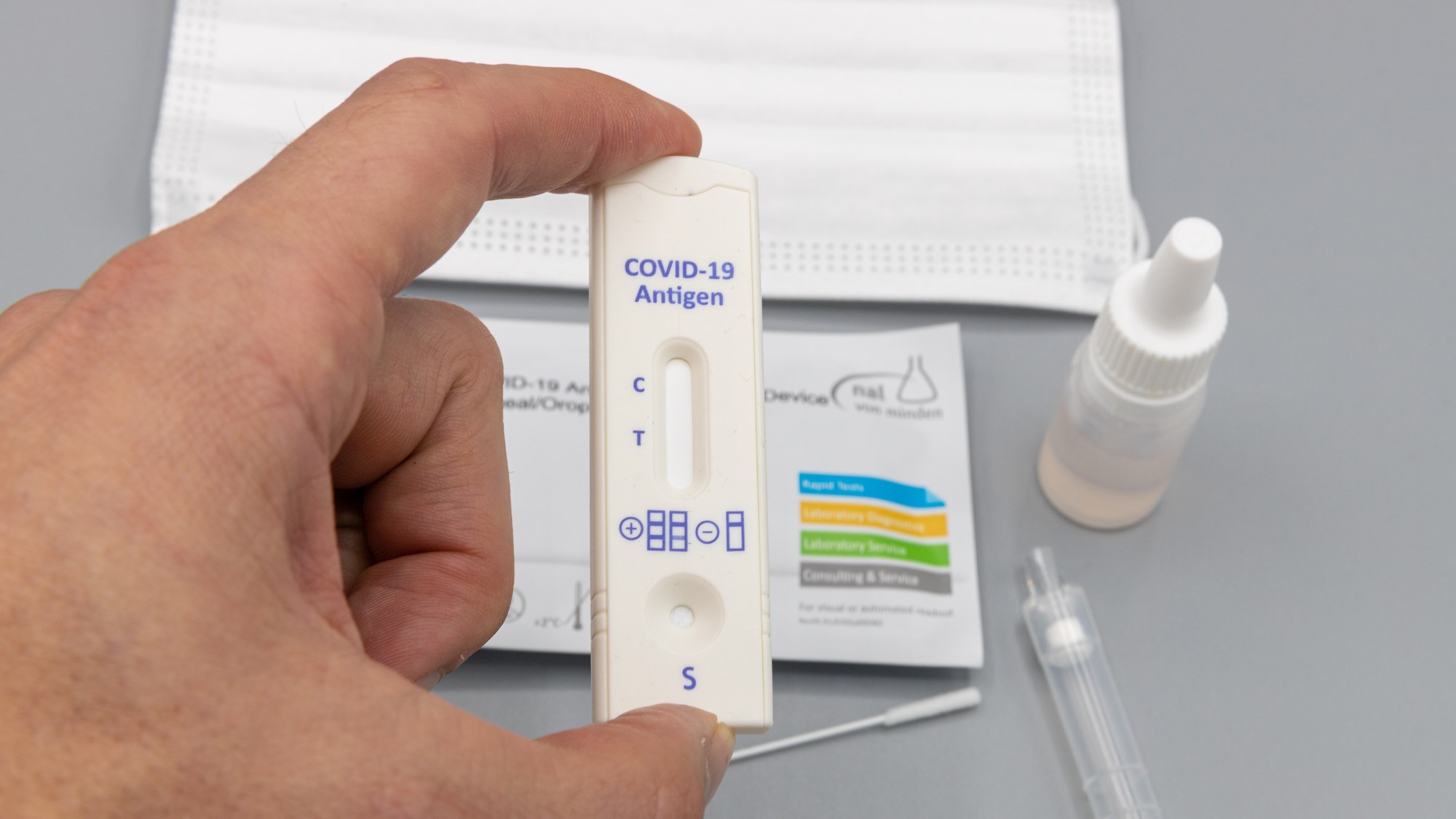
Syed Murtuza Kablazada, 36, of Des Plaines, Illinois, pleaded guilty on Oct. 30, 2026, to a $227 million Medicare fraud scheme built on COVID-19 test kits that were never requested by or shipped to the beneficiaries named on the claims, the Justice Department said. As part of the plea he agreed to forfeit more than $46 million in fraud proceeds that investigators seized from ten bank accounts.
Kablazada pleaded guilty to two counts of health care fraud, and the department says he faces a maximum of 20 years in prison. No sentencing date has been announced. The department says only that it will come at a later date, after a judge considers the U.S. Sentencing Guidelines and other statutory factors.
People enrolled in Medicare who never ordered a COVID-19 test kit should look through their claims history for one billed in their name, because the false claims in this case were built on the personal information of beneficiaries. A kit, a lab or a date that nobody in the household recognizes can be reported to Medicare, and the numbers to call are listed further down.
Retirement deadlines, in your inbox: Miss an enrollment or claim deadline and the money can be gone. Join the Retirement Money Brief and we’ll send you our Scam & Identity-Theft Action Card as a welcome gift.
Get the Brief + the scam action card →
We may earn a commission from links on this page.
What did Kablazada admit to in the plea?
The Justice Department says that starting in January 2023, Kablazada and others acquired three Chicago-area laboratories, Chicago Care, V Care and Al-Ameer, over about six months. Through those labs, according to the department, they submitted $227 million in false and fraudulent claims to Medicare for over-the-counter COVID-19 test kits. Medicare paid about $136 million of those claims.
The department describes the kits as never requested by or shipped to the beneficiaries. It also says the scheme relied on information about hundreds of thousands of Medicare beneficiaries, which Kablazada obtained from a purported telemarketing company in Pakistan. Pleading guilty means he admitted the charged conduct, and the sentence will be decided by the judge, not by prosecutors.
What does the $46 million forfeiture take back?
Forfeiture lets the government keep money or property tied to a crime. In this plea, Kablazada agreed to forfeit more than $46 million in fraud proceeds seized from ten bank accounts. By the department’s own figures, that is about a third of the roughly $136 million Medicare paid on the claims.
The announcement does not say where the forfeited money goes next or whether any of it returns to Medicare. It does describe how the defendants moved the rest. They paid themselves through overseas money transfers and unlicensed money transmitters, which the department says hid their involvement, and they spent some of the proceeds on luxury vehicles. The department puts no value on the vehicles and does not say whether they are part of the forfeiture.
Who investigated the case, and who is prosecuting it?
The FBI’s Chicago Field Office and the Office of Inspector General at the Department of Health and Human Services investigated. Ryan Whalen, the FBI Chicago special agent in charge, and Thomas Ethridge, the HHS-OIG special agent in charge, are named in the announcement, as is Assistant Attorney General Colin M. McDonald of the department’s National Fraud Enforcement Division.
Deputy Chief Patrick Mott and Trial Attorney Claire Sobczak Pacelli of the Fraud Division’s Health Care Fraud Section are prosecuting, with help from Assistant U.S. Attorney Andres Almendarez of the Northern District of Illinois. The department also points to its Health Care Fraud Strike Force Program, which it says has nine strike forces and has charged more than 6,200 defendants who billed federal health care programs and private insurers more than $45 billion since 2007.
The Fraud Division was announced on April 7 and supports the Task Force to Eliminate Fraud, which the department calls a whole-of-government effort chaired by Vice President J.D. Vance. The plea came the same day as a separate set of Minnesota enforcement actions, in which the department said 13 defendants were charged, convicted or sentenced between Sept. 30 and Oct. 30.
How can a Medicare member find a kit that was billed but never arrived?
Medicare’s own guidance on reporting fraud tells members to check their claims regularly, compare the dates and services on a personal calendar with their Medicare statements, and confirm that each listed service was received. Members with a Medicare.gov account can see Original Medicare claims as soon as they are processed, which helps catch a mistake sooner.
A charge that looks wrong can be reported to 1-800-MEDICARE (1-800-633-4227). People with a Medicare Advantage plan or a drug plan can call the I-MEDIC at 1-877-772-3379. Tips also go to the HHS Office of Inspector General at 1-800-HHS-TIPS or through its online complaint form. The office asks for the name and contact details of the business involved, a description of what happened and when, and any billing records or photographs. It says not every complaint leads to an investigation.
Does a Medicare claim list a COVID-19 test kit that never arrived?
The Kablazada case began with personal details on hundreds of thousands of Medicare beneficiaries, which the department says were bought and used to bill for kits nobody received. A Medicare statement is the check for a false claim. Personal details like these are also what thieves use to open accounts and move money, and a freeze put in place before anything happens is what stops that.
“Scam-Proof Your Accounts in a Weekend” is a 13-page guide with ten moves in the order that protects the most money first, including how to freeze your credit at all three bureaus, free by federal law. It is built around the three ways scammers get into money: an account a person already has, a new account in their name, or the person moving the money themselves.
Get the credit-freeze steps in Scam-Proof Your Accounts in a Weekend →
This article was produced with AI assistance and edited for accuracy against the sources linked above.