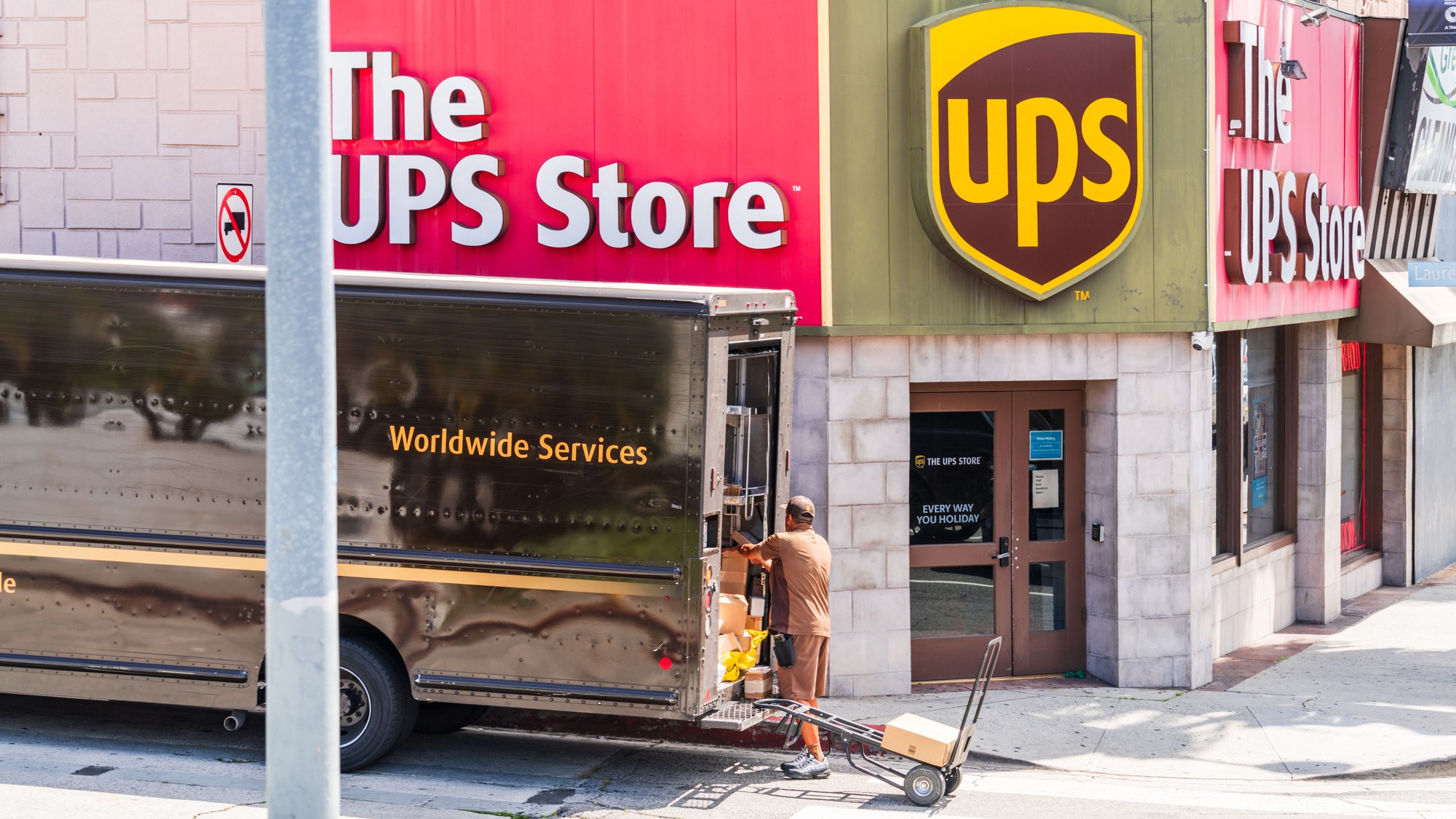
UPS will raise its published Small Business Rates for Ground, Air and International services by 4.5% on Dec. 21, 2026, and will lift the minimum billable weight for packages that need additional handling to 50 pounds from 40. A 5% domestic and international fuel surcharge applies to those rates. In the same general rate increase, UPS is raising daily rates for Ground, Air and International services by an average net of 5.9%, according to Logistics Management.
The people most exposed are small shippers who pay UPS’s published rates instead of a negotiated contract: online sellers, home-based businesses and anyone mailing packages for a side income. UPS says the effect on costs “will vary according to your shipping characteristics and the terms of your UPS agreement,” and has said more detailed rate previews will come later.
Retirement deadlines, in your inbox: Miss an enrollment or claim deadline and the money can be gone. Join the Retirement Money Brief and we’ll send you our 2026 Government Check Reality Tracker as a welcome gift.
Get the Brief + the check tracker →
We may earn a commission from links on this page.
What changes for small-business shippers on Dec. 21?
UPS’s small business rates page lists three changes, all effective Dec. 21, 2026:
- Small Business Rates for UPS Ground, UPS Air and International services rise 4.5%
- A 5% domestic and international fuel surcharge applies to all Small Business Rates
- The minimum billable weight for Additional Handling rises from 40 pounds to 50 pounds
The page links preview PDFs for the 2027 Small Business Package and hundredweight rates, which is where a shipper can look up the new price for a specific zone and weight.
Why does the move from 40 to 50 pounds matter?
Packages that trigger the Additional Handling surcharge are billed on a minimum weight, and UPS is lifting that floor by 10 pounds for both standard and small-business customers, Logistics Management reports. Paul Yaussy of the logistics data firm Loop told the trade publication the change could mean 9% to 22% more billable weight, depending on the shipping zone.
That is a different kind of increase from the 4.5%. A percentage rise applies to every package, while the weight floor hits only parcels that already trigger the handling charge, but it can hit them hard.
What else is moving at UPS besides the base rates?
Several smaller changes arrive around the same date, according to Supply Chain Dive and Logistics Management:
- A fuel surcharge adjustment of 0.25 to 0.50 points, depending on the index peg, takes effect Nov. 2, separate from the Dec. 21 changes
- UPS is changing its Delivery Area Surcharge ZIP code list, and some ZIP codes will move to different shipping zones
- Starting on or after Dec. 21, some customers shipping Ground and Ground Saver packages from certain origin ZIP codes will pay a per-package surcharge, with details expected in early November
Dave Sullivan of the consulting firm ShipScience told Logistics Management the Nov. 2 change looks modest, but that the footnotes matter more: the new schedules produce surcharges 0.50 points higher than the August tables at constant fuel prices, and the gap can reach 2.00 points for Ground and 2.75 points for Air as fuel prices fall.
UPS says the general increase “helps to support ongoing expansion and capability enhancements.” FedEx has also announced a 5.9% average increase, which takes effect Jan. 4, 2027, about two weeks after UPS’s.
Is 5.9% the number small shippers should plan around?
The 5.9% average matches UPS’s increases of the past three years, Supply Chain Dive reports, and the Dec. 21 start is about a week earlier than in recent years, according to Logistics Management. It also lands at the tail end of the holiday shipping rush, when many small sellers are sending their heaviest volume of the year.
Yaussy warned against planning around it. “Don’t plan around 5.9%,” he told Supply Chain Dive, adding that it is an average on base rates and “won’t reflect your actual cost.” UPS has not said how the average breaks down by service, weight or distance, so a direct comparison with last year is not possible yet.
For a small shipper the practical step is to run a typical month of packages through the new rate tables once UPS publishes the ZIP-code surcharge details, and to price the same month at FedEx, whose increase starts later.
Will the Dec. 21 UPS increase change what your shipping costs?
A 4.5% rate rise, a 5% fuel surcharge and a heavier minimum weight add up on the same invoice, and published rates are not something a phone call changes. The same season of price increases lands on phone, internet, insurance and card bills that a call sometimes can change.
“101 Phone Scripts to Lower Your Bills” gives 101 calls, word for word, for every company you pay, including a section on credit cards and banks: lower rates, fee refunds and no-fee accounts. It also includes a call log for who was spoken to, what was saved and the reference number.
Get the 101 phone scripts for the bills a price increase can lower →
This article was produced with AI assistance and edited for accuracy against the sources linked above.