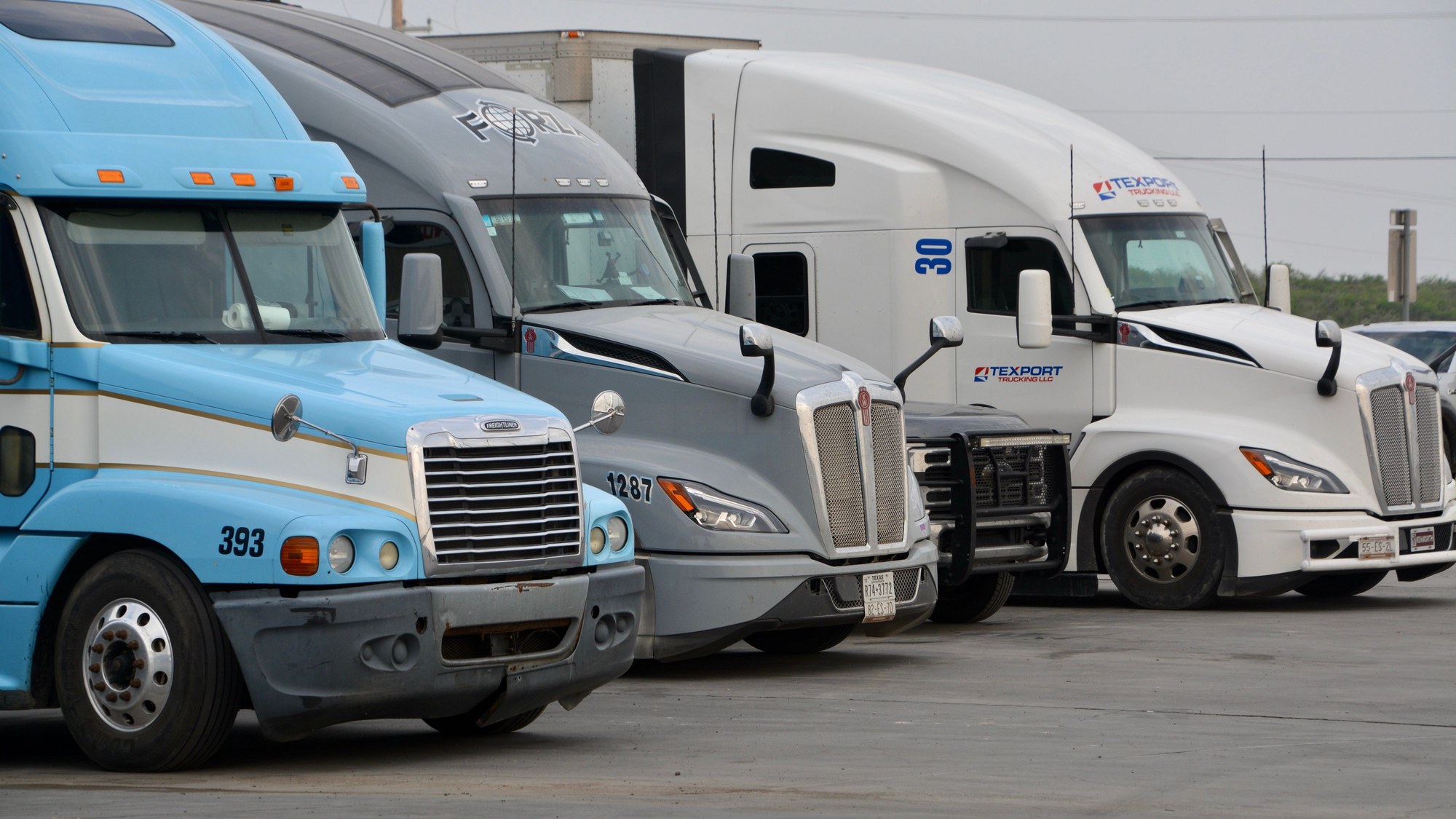
A fuel hose that can pull loose from its fitting sits at the center of a recall covering 26,729 Kenworth and Peterbilt trucks, according to NHTSA’s record for campaign 26V700. PACCAR Inc, which builds both brands, says the remote fuel filter hoses may separate, causing a fuel leak and an engine stall. Dealers will replace the fuel hoses free of charge, and owner letters begin Dec. 20, 2026.
Anyone running a Kenworth or Peterbilt built between 2022 and 2027 should check the truck’s 17-character VIN at NHTSA.gov/recalls, because the campaign covers some models and years but not others. Owner-operators and small fleets can also go straight to the maker: Peterbilt at 1-940-591-4220, Kenworth at 1-425-828-5888, with PACCAR recall number 26PACJ.
Stay ahead of government payment news: Miss an enrollment or claim deadline and the money can be gone. Join the Retirement Money Brief and we’ll send you our 2026 Government Check Reality Tracker as a welcome gift.
Get the Brief + the check tracker →
We may earn a commission from links on this page.
Which Kenworth and Peterbilt models are in the 26,729?
The filing, which lists 37 separate make, model and model-year combinations, names these models:
- Kenworth T270, T280, T370, T380 and T480
- Peterbilt 536, 537, 548 and 567
The model years run from 2022 through 2027, depending on the model. The 26,729 figure is NHTSA’s potential-units count for the whole campaign, repeated on every line of the record, so it is not a total to add up model by model.
What happens when a remote fuel filter hose lets go?
NHTSA’s summary says the hoses may separate from the fitting. The consequence section gives two risks: a fuel leak near an ignition source increases the chance of a fire, and an engine stall increases the chance of a crash.
Both are the kind of failure that happens with a loaded truck on the road. The record lists the component as the diesel fuel delivery system’s hoses, lines, piping and fittings, and it was received by NHTSA on Oct. 22, 2026.
Who pays for the hose replacement?
Not the owner. The remedy line says dealers will replace the fuel hoses free of charge. For a truck that earns its owner money by the mile, the part and the labor are the smaller question; the time in the shop is the larger one, and the filing does not say how long the repair takes.
NHTSA’s general recall guidance says the fix is free and tells owners to contact a local dealership. It also says a manufacturer must repair or replace the defective part, offer a refund, or in rare cases repurchase the vehicle.
Does the Dec. 20 letter start any clock for the owner?
The record says owner notification letters will be mailed beginning Dec. 20, 2026, a date that falls in the weeks when many fleets are closing out the year. Nothing in the record sets a deadline for the repair, and it names no cutoff after which the free replacement ends.
A truck that is already in a dealer for other work is a natural place to ask whether the hoses can be done in the same visit. An owner who gives the dealer the VIN and the PACCAR number 26PACJ is giving the shop what it needs to look the campaign up.
How can a fleet check more than one truck?
NHTSA says its recall page lets a user search up to 100 VINs at once, which matters to a fleet with a yard full of tractors from several model years. The VIN is 17 characters long, and a fleet manager can pull the full list from registration and title records before pasting it in.
The same page warns that the search leaves out recalls already repaired and some newly announced ones, so a fleet manager should rerun the list after the Dec. 20 letters begin to arrive. Fleets that run mixed Kenworth and Peterbilt units should note that the campaign spans two brands and as many as six model years.
Running one of the 26,729 trucks on a tight margin?
The hose replacement removes a fire and breakdown risk without a bill, but a truck owner’s year still ends with a tax return and a household budget. The recall does nothing about the cost side of either one.
The Keep-It Starter Bundle is a 95-page download with nine guides in one download, one per money leak. It includes how to cut the tax bill: the senior deduction, RMDs, QCDs and the Roth window, and how to cut the house costs: every senior property-tax break and your equity options.
This article was produced with AI assistance and edited for accuracy against the sources linked above.