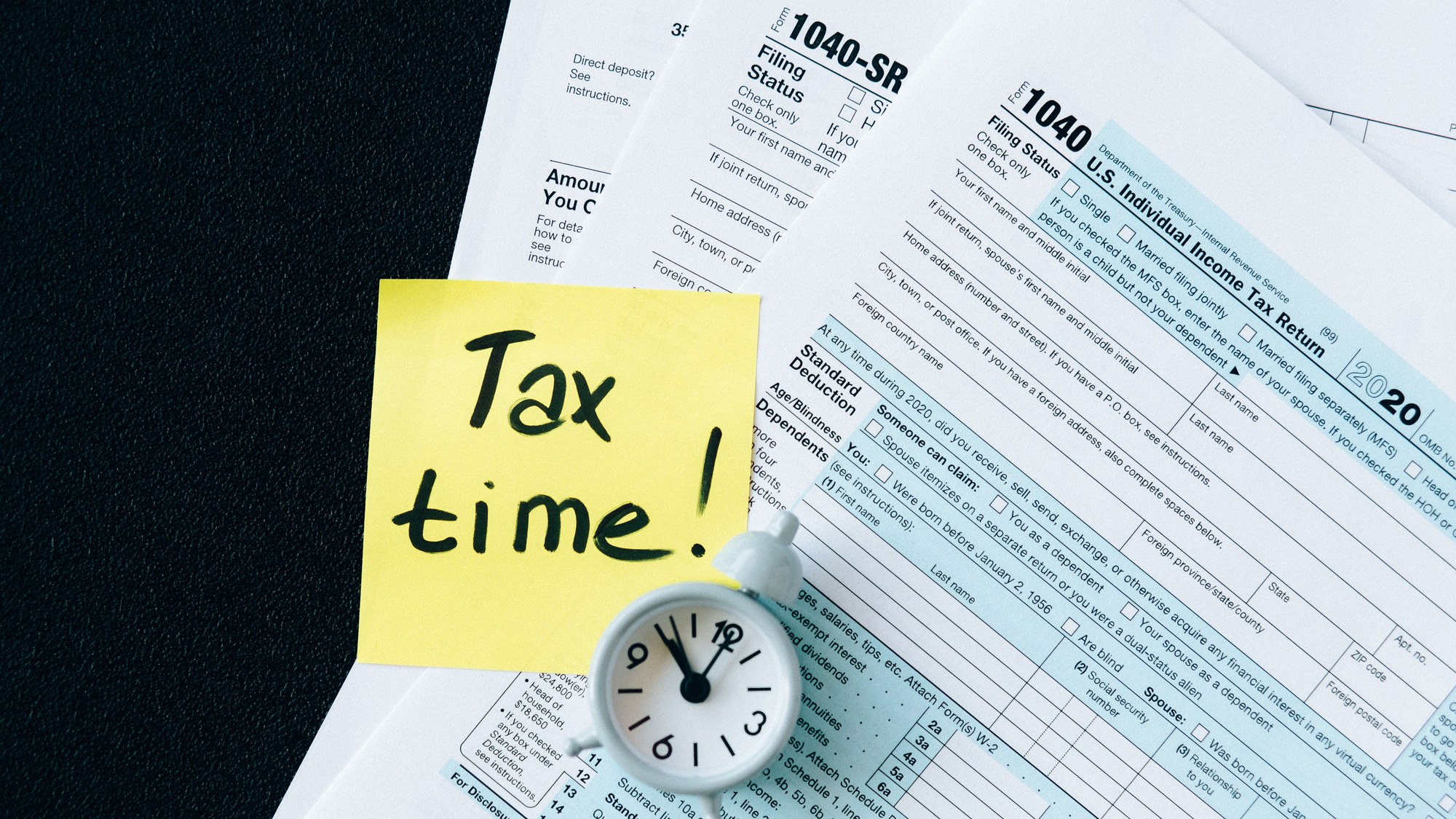
The IRS is urging taxpayers to get an identity protection PIN before its online tool shuts down for maintenance in mid-November, with the service generally back in mid-January. The agency made the request in an Oct. 22 news release, IR-2026-127, aimed at anyone who plans to file a federal return early in 2027. The release gives no exact dates for the outage, only the two months.
That puts the practical deadline days away. Anyone who wants the six-digit number in hand for the first days of the filing season has to request it while the tool is still running, and the IRS says people can get one even if they are not required to file a federal return. The agency’s identity-protection page, updated Nov. 2, says the fastest route is the IRS app or an IRS online account.
Retirement deadlines, in your inbox: Miss an enrollment or claim deadline and the money can be gone. Join the Retirement Money Brief and we’ll send you our 2026 Government Check Reality Tracker as a welcome gift.
Get the Brief + the check tracker →
We may earn a commission from links on this page.
What does the PIN actually block?
An IP PIN is a six-digit number that stops someone from filing a federal return using another person’s Social Security number or ITIN. Only the taxpayer and the IRS know it. Frank J. Bisignano, the IRS chief executive officer, is quoted in the release saying that protecting sensitive financial information is essential, and that safeguarding online account credentials and getting an IP PIN can help taxpayers “file their tax return with greater confidence.”
The number is meant to go to a trusted tax professional at filing time and nowhere else. The IRS says it will never call, email, text or contact anyone on social media to ask for it, so a request of that kind is a scam by the agency’s own account. A new PIN is generated every year, according to the identity-protection page, and a CP01A notice is not mailed to people who got theirs online, so the number has to be retrieved each time.
The release adds a caution about the account itself. After identity verification, taxpayers can use their IRS Individual Online Account to view tax information, which may include recently filed returns, refund status, payments, tax records, notifications and service requests, and the IRS says they should not share their sign-in information with anyone.
Who can get one, and how?
Anyone with a Social Security number or ITIN who can verify their identity is eligible, the IRS says. Parents and legal guardians can request a PIN for a dependent, and anyone under 18 has to use an alternative enrollment option. Getting into the online account requires registering on IRS.gov and verifying identity first, which is the step most likely to take time for someone who has never signed up.
People who cannot build an online account have two other paths. Form 15227, which requires a valid Social Security number or ITIN and access to a telephone, can be filed online by taxpayers whose adjusted gross income on the last filed return was below $84,000 for an individual or $168,000 for married couples filing jointly; the IRS then calls to confirm identity, and the PIN arrives by mail, usually within four to six weeks. Others can book an appointment at a Taxpayer Assistance Center, and the PIN usually arrives by mail within three weeks.
What happens at filing time?
The IRS’s IP PIN questions and answers, updated Oct. 30, say the PIN must be used on any return filed during that calendar year, delinquent returns included. If it is not entered correctly, the agency says, the return is rejected, and the filer has to enter the right number and resubmit.
Each taxpayer who has a PIN enters it on their own return. On an e-filed return, a dependent’s PIN goes on the Form 1040 series, Form 2441 and Schedule EIC, and the return is rejected if it is missing. Paper filers do not enter dependents’ PINs. Anyone whose parent or guardian can claim them as a dependent and who has a PIN has to share it with the person e-filing.
What if a PIN is lost or never arrives?
The IRS says not to file Form 15227 to replace a PIN. People who already have one can view it online or request a mailed reissue through the guidance on the identity-protection page. Anyone who got a PIN in a past year needs to look up the current one, since the old number does not carry over.
People who joined the program voluntarily and have never been victims of tax-related identity theft may be eligible to opt out, the questions and answers page says, a decision to weigh before January and not after. Eligibility can be checked in the IRS app or an online account, or by phone at 800-908-4490.
The mail timelines are the reason the calendar matters. Four to six weeks for the Form 15227 route is longer than the gap between now and mid-November, which makes the online request the only option the IRS describes as fast.
Still without an IP PIN with mid-November days away?
The IRS says its online tool goes down for annual maintenance in mid-November and is generally back in mid-January, and the mailed routes take three to six weeks. Anyone who files early in 2027 without a PIN leaves the door open to a return filed in their name first.
Scam-Proof Your Accounts in a Weekend includes how to get an IRS Identity Protection PIN so no one can file a return in your name, plus how to freeze your credit at all three bureaus, free by federal law. The 13-page guide puts the moves in weekend order, so the ones that protect the most money come first.
Get the weekend guide with the IP PIN and credit-freeze steps →
This article was produced with AI assistance and edited for accuracy against the sources linked above.