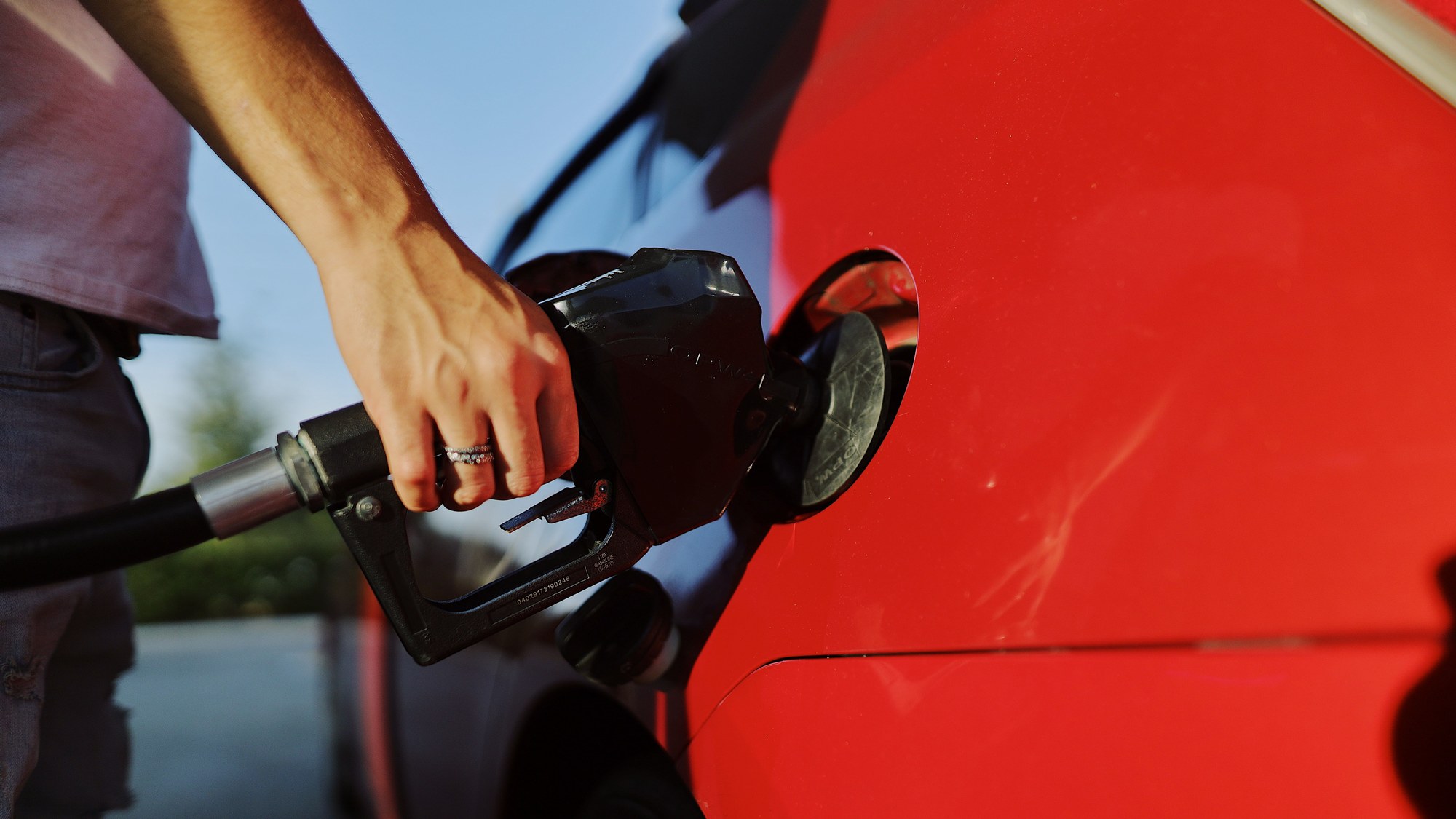
Illinois drivers pay a state gas tax of 48.3 cents a gallon through Dec. 31, the same rate as before July 1, after lawmakers suspended the automatic inflation increase. The Illinois Department of Revenue says Public Act 104-0468, signed June 16, suspended the scheduled July 1 adjustment for six months. The department’s rate bulletin lists 48.3 cents for gasoline for July 1 through Dec. 31, 2026.
The question for anyone who fills a tank in Illinois is what happens when the six months end. The revenue department has published rates only through Dec. 31 and says nothing about Jan. 1, 2027. The act froze the rate for six months and set no rate beyond that window.
Retirement deadlines, in your inbox: Miss an enrollment or claim deadline and the money can be gone. Join the Retirement Money Brief and we’ll send you our 2026 Government Check Reality Tracker as a welcome gift.
Get the Brief + the check tracker →
We may earn a commission from links on this page.
How much did the freeze save at the pump?
The inflation adjustment that was scheduled for July 1 would have raised the tax on both gasoline and diesel by 2.68 percent, according to Transport Topics, which described a “six-month halt through Dec. 31” in a July 24 report on fuel taxes rising in several other states while Illinois paused. On gasoline that works out to about 1.3 cents a gallon, which would have put the rate near 49.6 cents, as Illinois Policy reported in May while the freeze was still a proposal.
For a driver, the saving is small. A 15-gallon fill-up costs about 20 cents less in state gas tax than it would have under the scheduled increase, and a household that burns 500 gallons over six months saves roughly $6.50. That is real money, but it is small next to the swings most drivers see at the pump from week to week, and it is the whole gap between the frozen rate and the one that would have applied.
Drivers who want the exact figure for their own car can do the arithmetic from the department’s number: multiply the gallons they buy by 48.3 cents. A driver who buys 40 gallons a month pays about $19.32 a month in state gas tax at the frozen rate, and about $19.84 at the 49.6-cent rate that would otherwise have applied.
What do diesel and other fuels pay?
The same bulletin sets the rest of the schedule for July 1 through Dec. 31, 2026. Diesel is taxed at 55.8 cents a gallon. Liquefied petroleum gas is 55.8 cents per diesel gallon equivalent, compressed natural gas is 48.3 cents per gasoline gallon equivalent, and liquefied natural gas is 55.8 cents per diesel gallon equivalent.
The revenue department says the act “suspended the scheduled July 1, 2026, Consumer Price Index adjustment.” Its earlier notice had set a higher rate for July 1, 2026, through June 30, 2027. That notice was replaced with the revised bulletin, which recalculated the rates for the shorter six-month period, and the department’s June 23 announcement said it was required to do so after the act was signed. The department reissued its rate bulletin on June 16, the day the act was signed, so 48.3 cents is the published rate for the full six months.
Is the gas tax the whole story at the pump?
It is not. Illinois also charges a 6.25 percent sales tax on gasoline, Illinois Policy noted, and lawmakers planned to use about $150 million in unexpected sales tax revenue from high gas prices to help balance the budget rather than return it to taxpayers. That means the share of each pump price that goes to the state moves with the price itself, not just with the cents-per-gallon rate.
The state’s motor fuel tax rate is a fixed number of cents, so it does not rise when the price of a gallon climbs. The sales tax does. A driver watching the total at the pump is seeing both, along with federal taxes and the price of the fuel itself.
Illinois Policy also noted that the state’s “lockbox” amendment arguably requires such funds to go to transportation, which makes the plan to use the money for the general budget a point of dispute. That dispute does not change what a driver pays at the pump.
What should drivers plan for in January?
The suspension covers only July 1 through Dec. 31. The revenue department has not said what rate takes effect on Jan. 1, so anyone budgeting for 2027 should treat 48.3 cents as the current rate and not a promised one.
The revenue department points drivers and businesses to tax.illinois.gov for rate updates, and to MyTax Illinois for filing motor fuel tax returns. Fuel dealers, truckers and others who file those returns are the ones the department’s bulletins are written for. Drivers who only pay at the pump need nothing from the department.
Gas is one of several ordinary costs where small changes add up. The price a driver pays to run a car also depends on insurance, and on transit or rail fares for the trips that do not need a car.
Looking to cut what Illinois driving costs you before the freeze ends?
The six-month freeze saved Illinois drivers about 1.3 cents a gallon, and it expires Dec. 31. The pump price will keep moving after that, and the gas tax is only one line in what it costs to keep a car on the road.
Senior Discounts Worth Asking For includes the mature-driver car insurance course discount, plus Amtrak and city transit discounts, 10 percent off most rail fares and half fare on many buses. Its 12 pages also include a savings log of what asking is worth each year.
Get the senior discount guide for car insurance and transit savings →
This article was produced with AI assistance and edited for accuracy against the sources linked above.