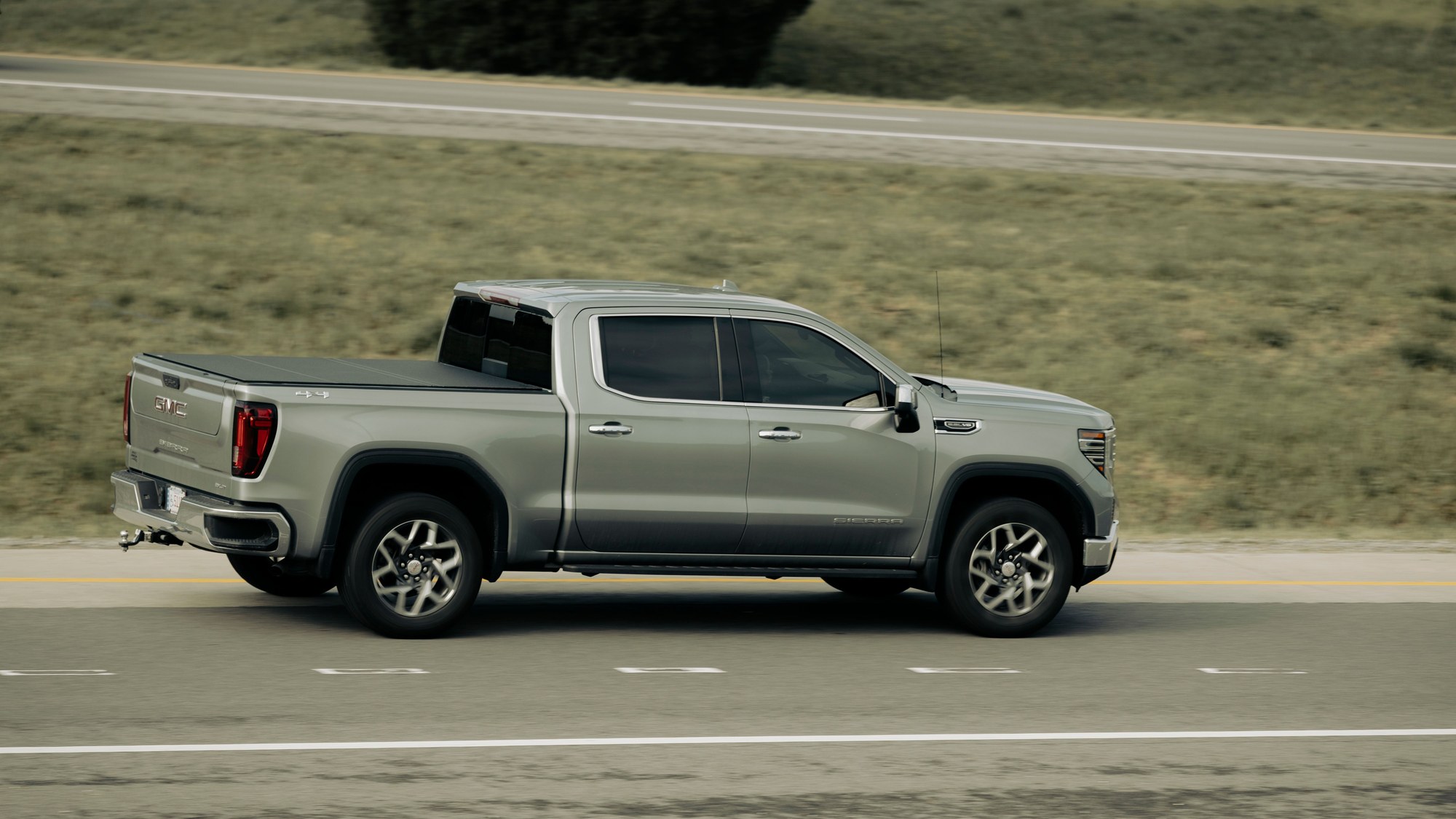
General Motors will pay $220 million to 36 attorneys general over allegations that it sold driving data from its Smart Driver program to data brokers that passed it to insurers, the states announced Oct. 29. The money goes to the states, and the settlement provides no restitution for drivers, according to the Michigan attorney general’s release.
Washington and Oregon co-led the coalition. Washington Attorney General Nick Brown said in a Washington release that “Washingtonians’ data is personal and valuable, which is why they should always have control over how it’s used.” Michigan’s Dana Nessel said drivers “deserve to know what information about them is being collected and how it may affect their wallets.”
The question for a driver is whether they were ever enrolled. The attorneys general say GM enrolled millions of drivers in Smart Driver from 2016 to 2024, most of them at dealerships during a vehicle purchase, through a combined sign-up that also enrolled them in OnStar. Anyone who bought or leased a GM vehicle in those years and later saw an insurance rate jump has a reason to look closer.
Retirement deadlines, in your inbox: Miss an enrollment or claim deadline and the money can be gone. Join the Retirement Money Brief and we’ll send you our 2026 Government Check Reality Tracker as a welcome gift.
Get the Brief + the check tracker →
We may earn a commission from links on this page.
What did GM allegedly do with the data?
GM told drivers Smart Driver would help them drive more safely and that it would not share data with insurers without express consent, the attorneys general say. They allege GM instead sold the data to brokers under contracts that said it would be used for insurance products, and that the brokers sold it to insurers who could change premiums based on driving habits.
The New York attorney general’s release lists the data as trip counts, trip start and end times, hard braking, rapid acceleration and speeding. It says GM never disclosed the sale to drivers, and that The New York Times reported some drivers saw large premium increases, one of them 22%.
How did drivers end up enrolled?
Dealership employees allegedly accepted the terms on customers’ behalf without consent. New York says that from 2020 to 2024 GM paid sales staff bonuses partly tied to enrollments and ranked dealerships by enrollment numbers. Oregon Attorney General Dan Rayfield summed it up in his Oregon release: “People bought a car, not a tracking device.”
The OnStar app also wrongly told more than 370,000 drivers they were not enrolled, the attorneys general say. GM allegedly kept collecting and selling their data, then quietly unenrolled them without disclosing the error and left their data with brokers and insurers. GM ended Smart Driver after the Times reported on the practices.
Connecticut Attorney General William Tong said more than 10,283,000 Americans were affected, including at least 123,143 Connecticut residents, in the Connecticut release. He said GM “turned private vehicles into mobile insurance surveillance machines without consumer consent or awareness.”
Connecticut will receive more than $6 million and first investigated GM in 2024, issuing a notice of violation that was among the first actions under the Connecticut Data Privacy Act. Ten states sat on the coalition’s executive committee: Colorado, Connecticut, Delaware, Illinois, Kentucky, Maryland, Minnesota, New Jersey, Utah and Vermont.
Who gets the $220 million?
The states do. Washington’s share is $12.3 million, New York’s is $12,054,341, Oregon’s is more than $10.4 million and Michigan’s is $7,205,319, according to the state releases. More than 700,000 New York drivers were enrolled in Smart Driver, New York says.
Michigan’s release says a nationwide private class action seeking money for drivers remains pending, so any payment to individual drivers would have to come from that case. The New York release does not describe a way for drivers to request their data or file a claim tied to this settlement.
The Federal Trade Commission settled with GM on Jan. 16, 2025, with limited injunctive relief and no monetary payment, Connecticut’s release says, and several consumer class actions against GM remain pending. For questions, Connecticut’s office lists 860-808-5318 and attorney.general@ct.gov.
What must GM change?
Under the settlement, GM must obtain express consent before collecting or disclosing driving and location data, and limit the driving data it collects. It must also run a comprehensive privacy program with internal and external assessments, and oversee and train dealerships so customers are not enrolled without consent, the releases say.
Oregon’s release says much of the conduct predates the state’s consumer privacy law, which took effect in July 2024, and that the state used its Unlawful Trade Practices Act instead. It also says the terms are “significantly stronger” than any other resolution reached with GM for this conduct.
What can a driver do about a higher premium?
The releases do not give drivers a form to file, and they do not say which insurers used the data. A driver who thinks a rate increase followed enrollment can ask the insurer, in writing, which information was used to set the premium and when it was received, and keep copies of the reply.
The attorneys general say some drivers were told they were not enrolled when they were, so an assumption that Smart Driver was never switched on may be wrong. Old premium notices show whether a rise followed the purchase of the vehicle, and that is the date to compare against the insurer’s reply.
Did your car insurance rate jump after you bought a GM vehicle?
The settlement pays no driver anything, and a premium that rose after enrollment is hard to challenge without a written request on file. Insurers answer letters with deadlines, and a vague call leaves no record.
The 50 Letters to SSA, IRS, Banks & Insurers set includes insurer letters on premium increases, and each letter comes with when to send it, where, the deadline and what to enclose. It turns the question of what data raised a rate into a dated letter an insurer has to answer.
Get the insurer premium-increase letters from the 50 Letters set →
This article was produced with AI assistance and edited for accuracy against the sources linked above.