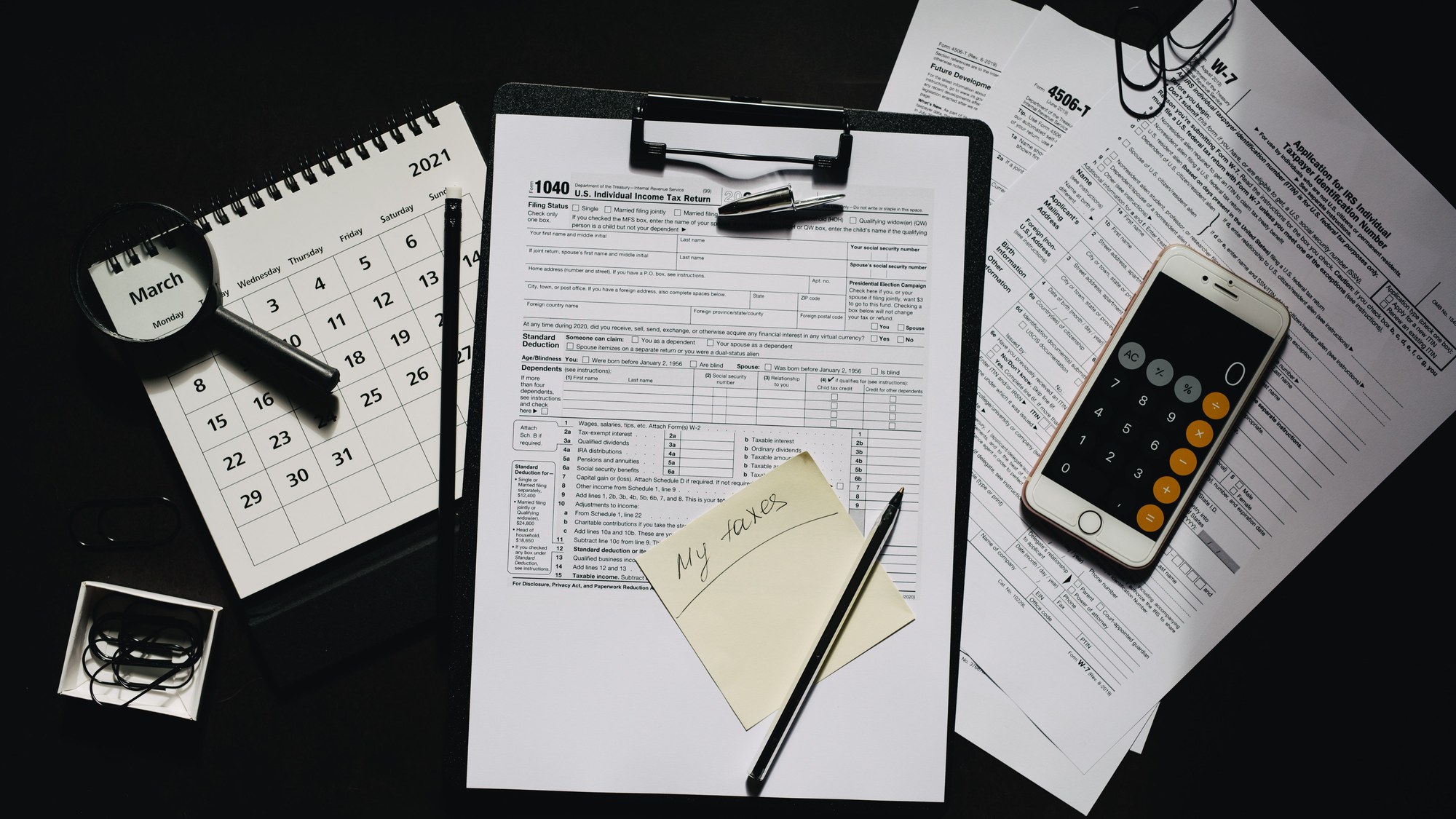
The IRS says it will automatically skip failure-to-file and failure-to-pay penalties for people with three years of on-time compliance, and that the program replaces First Time Abate for returns due in 2027 and later. The relief is called Automatic Exemption from Penalty, or AEP. It is applied when a return finishes processing, with no form to file and no call to make.
Who gets a penalty waived without asking?
Taxpayers qualify by filing and paying on time in each of the three prior years, according to the IRS news release IR-2026-83 issued July 8. For quarterly filers, such as employers who file payroll returns, the test is 12 consecutive quarters. The IRS fact sheet FS-2026-12 says AEP is meant to “recognize taxpayers with a history of timely compliance” who hit a one-time problem.
Three penalties are covered: failure to file, failure to pay and failure to deposit. When a qualifying return is processed, the IRS simply does not assess the penalty, then sends a notice explaining that the penalty was not charged because of the three prior years of timely compliance. IRS Chief Executive Officer Frank J. Bisignano said in the release that taxpayers who pay on time “should not have to make a formal request for relief that is routinely granted.”
The IRS penalty relief page, updated Oct. 22, lists the returns AEP reaches: Forms 1040, 1065 and 1120, payroll Forms 940, 941, 943, 944 and 945, and Form CT-1. The relief applies to 2025 tax year returns and later and to 2026 quarterly returns and later.
For retirees and others who file a Form 1040, the practical question is whether the last three years were clean. A return filed on time with the tax paid on time counts. A year with a late payment, or a penalty that the IRS assessed and did not later cancel for reasonable cause or IRS error, can break the streak, and the penalty-relief page says the estimated tax penalty is the one exception to that rule.
Stay ahead of government payment news: Miss an enrollment or claim deadline and the money can be gone. Join the Retirement Money Brief and we’ll send you our 2026 Government Check Reality Tracker as a welcome gift.
Get the Brief + the check tracker →
We may earn a commission from links on this page.
What does the automatic relief not cover?
AEP does not wipe out every charge. The fact sheet says it does not apply to daily delinquency penalties, accuracy-related penalties or information return penalties, and it “does not eliminate penalties under the law.” The news release adds that returns filed only for a specific transaction or infrequent event, such as Form 706 for estates and Form 709 for gifts, generally do not qualify.
It also leaves the bill itself alone. Anyone who owes tax still has to pay it, along with interest and any penalty that falls outside the program. On the other hand, when a penalty is removed, the IRS page says interest on that penalty is reduced or removed automatically.
Businesses face one more condition. The penalty-relief page says the IRS cannot have waived the taxpayer’s failure-to-deposit penalty four or more times in the prior three years, and the penalty cannot be tied to avoiding the electronic deposit system.
Why do some 2024 and 2025 returns still need a phone call?
First Time Abate does not disappear all at once. The fact sheet says it still applies to 2024 tax year returns, 2025 quarterly returns, 2025 tax year returns processed before AEP starts and 2026 quarterly returns processed before AEP starts. For those, the IRS says First Time Abate “will not be applied automatically,” so the taxpayer has to ask.
The news release says some qualifying taxpayers may still receive penalty notices for 2025 and 2026 quarterly returns during the changeover, and anyone who believes they qualify can contact the IRS. The penalty-relief page says the way to ask is to call the number on the notice or send a written statement or Form 843 to the address in that form’s instructions. A request does not have to name First Time Abate or attach documents, because the IRS reviews the account.
Under First Time Abate the penalty is assessed first and removed later, and the page warns that failure-to-pay penalties can keep growing until the tax is paid. Paying the balance quickly stops that clock even while a request is pending.
What if a penalty shows up anyway?
The IRS says anyone whose notice shows an assessed penalty, and who believes they met the three-year test, should contact the agency. People who do not qualify for AEP can still ask for relief based on reasonable cause, and the fact sheet says an adverse decision can be appealed.
Reasonable cause is a different standard from a clean record. It turns on why the return or payment was late, such as a serious illness or a disaster, rather than on the filing history. The IRS reviews those requests individually and notifies the taxpayer of the result.
The calendar matters for 2027. Returns with original due dates on or after Jan. 1, 2027 fall entirely under AEP, so the 2026 tax year returns that most people file next spring are the first group where the old request-it-yourself route no longer exists. A taxpayer who slips on that return gets relief only if the three prior years, 2023 through 2025, were clean.
Is your 2026 tax payment on track to stay penalty-free?
The streak that earns automatic penalty relief is built on paying the right amount on time, and retirees with Social Security, pensions and IRA withdrawals often do not know that amount until the return is done. One year of underpayment can cost a penalty and the relief in the years that follow.
Cut Your Retirement Tax Bill: 12 Moves includes how much of your Social Security is taxed, worked out on one worksheet, along with the 2026 numbers on one page. It is a 14-page guide that also covers RMDs, the senior deduction and the Medicare surcharge line.
Get the guide with the Social Security tax worksheet and 2026 numbers before the next payment →
This article was produced with AI assistance and edited for accuracy against the sources linked above.