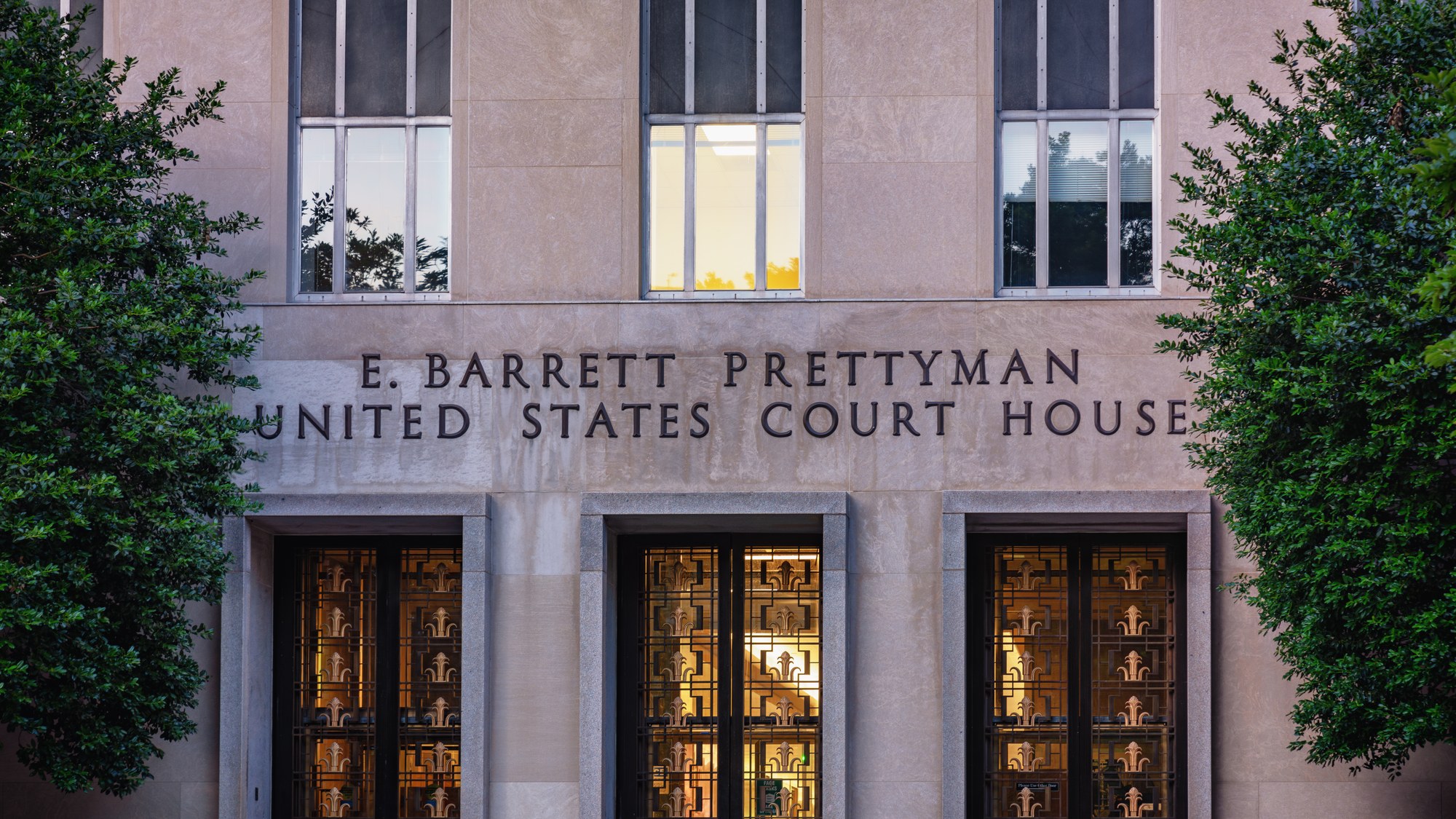
Malone Lam, a 22-year-old Singapore citizen who lived in Miami, pleaded guilty on September 8, 2026, to one count of racketeering conspiracy in federal court in Washington. Prosecutors say the scheme he organized stole and laundered cryptocurrency valued at more than $245 million and paid for nightclub bills of up to $500,000 an evening, luxury cars worth as much as $3.8 million and watches worth more than $500,000.
Lam has pleaded guilty but has not been sentenced. U.S. District Judge Colleen Kollar-Kotelly has set a status hearing for December 8, 2026, and no sentencing date has been announced.
One count of RICO conspiracy before Judge Kollar-Kotelly
The U.S. Attorney’s Office for the District of Columbia says Lam admitted one count of participating in a conspiracy under the Racketeer Influenced and Corrupt Organizations Act, the federal racketeering statute. The case is numbered 24cr417. The enterprise ran from October 2023 to May 2025, according to the office, and Lam was arrested at a rental home in Miami on September 18, 2025.
Assistant U.S. Attorneys Christopher R. Howland and David Liss are the lead prosecutors. The FBI’s Washington Field Office and IRS Criminal Investigation investigated, with support from the FBI’s Los Angeles and Miami offices and from U.S. attorney’s offices in the Central District of California, the Southern District of Florida and the District of New Jersey. U.S. Attorney Jeanine Ferris Pirro said in the release that anyone who builds a “cybercrime empire” will be found, will have the operation dismantled and will be held accountable.
What the $245 million figure measures
The plea release says the enterprise sought to steal and launder cryptocurrency valued at more than $245 million. It does not break that figure down by victim, and it does not give a count of bitcoin. An earlier release, from the September 19, 2024 indictment of Lam, then 20, and co-defendant Jeandiel Serrano, put a single theft from a Washington, D.C. resident at more than 4,100 bitcoin, worth over $230 million at the time of the August 18, 2024 theft.
The two figures are therefore not the same measure. The $230 million described the value of one August 2024 theft when it happened, and the $245 million in the plea release is the value attached to the stolen and laundered cryptocurrency in the racketeering case. A third number sits beside them: when 12 more defendants were charged in May 2025, prosecutors described an enterprise that had taken more than $263 million across multiple victims.
Nightclub bills, watches and cars in the prosecutors’ account
The plea release lists what the proceeds paid for. Nightclub services ran up to $500,000 per evening. The cars ranged in value from $100,000 to $3,800,000, and the watches from $100,000 to more than $500,000. The release adds private jet rentals, a private security team, designer handbags and clothing worth tens of thousands of dollars each, and rental homes in Los Angeles, the Hamptons and Miami.
The May 15, 2025 release on the expanded case put totals on the same habits: about $4 million at nightclubs and $9 million on exotic cars across the defendants. Those totals were allegations when they were made. Court reporting from the plea hearing carried more specific figures, including a count of vehicles and a single-night nightclub total, but the Justice Department’s release does not repeat them, so they are not stated here.
Callers, database hackers and home break-ins
According to the Justice Department, the enterprise stole through social engineering, meaning tricking victims rather than breaking code, and through occasional home break-ins to reach cryptocurrency wallets. The May 2025 release describes a division of labor in which database hackers pulled cryptocurrency-related records from websites and servers, and callers cold-called victims and used social engineering to convince them their accounts were the subject of cyberattacks.
The plea release names Lam as an organizer who identified targets and coordinated conspirators in California, Connecticut, New York, Florida and abroad. It lists his online aliases as “Anne Hathaway,” “$$$” and “King Greavy.” The launderers, per the 2024 indictment, moved funds through mixers and exchanges using peel chains, pass-through wallets and virtual private networks to hide who held the coins.
What is still open after the guilty plea
A guilty plea resolves Lam’s guilt on the count but not his punishment. The December 8, 2026 hearing is a status hearing, not a sentencing. The Justice Department’s plea release does not state a restitution or forfeiture total, and none of the Justice Department releases read describes what has been recovered for victims.
The 2024 indictment charged conspiracy to steal and launder cryptocurrency against Lam and Serrano. The racketeering count he pleaded to covers the enterprise’s activity from October 2023 through May 2025 rather than one theft, and the three Justice Department releases show the case growing from two defendants in September 2024 to a racketeering prosecution with 12 more defendants added in May 2025.
A short kit for the first hour after a scam call or a compromised account
The Senior Fraud Defense & First-Hour Recovery Kit is written for older adults and their families who want a plan in hand before a suspicious call or a compromised account, so the order of the first calls is already settled. It is a short kit, not a long manual.
The Senior Fraud Defense & First-Hour Recovery Kit is a 9-page kit with the first-hour recovery plan, the family code word, the free credit-freeze steps and a fraud evidence and report log.
Get the first-hour recovery plan and the family code word in one 9-page kit →
AI tools helped draft this report; the court dates, the charge and the spending details were checked against Justice Department releases.