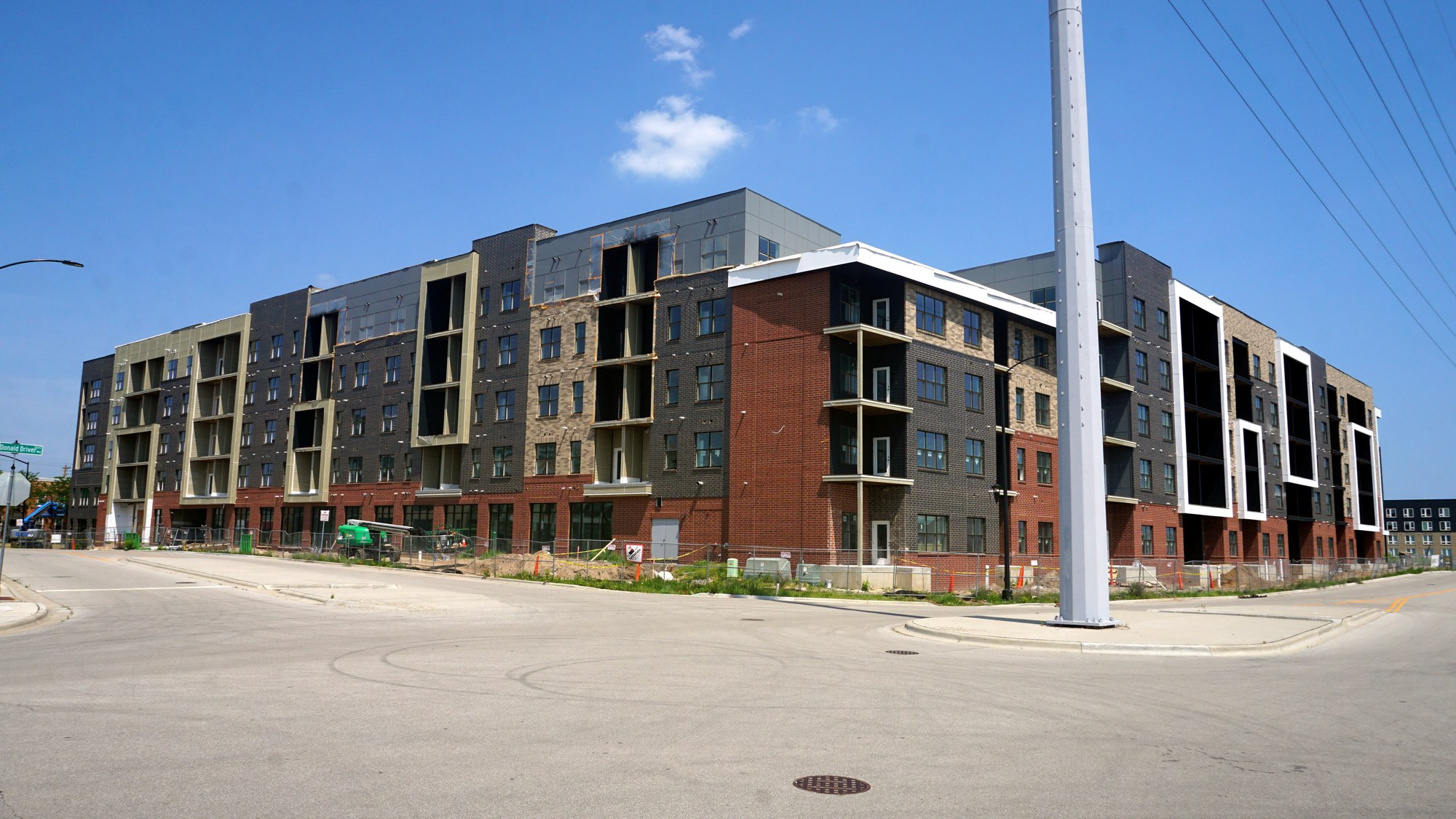
A federal court in Nashville holds the final approval hearing on October 15 for a $359,925,000 fund resolving claims that RealPage’s pricing software pushed apartment rents higher. Renters who paid rent on affected leases between October 2018 and November 2025 can file claims until January 29, 2027, and no money moves until the court signs off. The settling landlords deny all allegations of wrongdoing, so the fund is a compromise rather than a finding of liability, according to the settlement administrator’s site.
Affiliate links — we may earn a commission.
What the court will decide on October 15
The hearing takes place in the United States District Court for the Middle District of Tennessee, Nashville Division, in Case No. 3:23-md-03071, a multidistrict litigation. At a final approval hearing a judge weighs whether a class settlement is fair, reasonable and adequate to the people it covers. The administrator describes distribution as happening “at a later date” if the court approves the settlements, which means October 15 is a gate, not a payday.
The deadline both to object and to exclude oneself from the settlement was September 22, 2026, and it has already passed.
Who counts as a class member and what the claim form asks
The class covers persons and entities who paid rent on multifamily residential leases at properties using RealPage’s Revenue Management Solutions between October 18, 2018 and November 21, 2025. The practical question for a renter is whether the building ran that software and whether any lease fell inside those dates.
Claims are filed online through the settlement website, and the administrator states that no attorney or third-party service is required.
For a renter holding old lease paperwork, the open question is simple: is the rent already paid included, and which dates on the notice control the filing? Anyone who lived in a building managed by a settling landlord should match the property address and lease dates against the class definition before the January 29, 2027 deadline arrives.
Readers who want help working through a notice like this one can use The Settlement & Refund Recovery System, which includes the four-date rule for reading a settlement notice and a step-by-step filing walkthrough.
Read the RealPage settlement notice dates with the four-date rule →
A $359,925,000 fund with no published per-renter figure
The administrator lists the total as a “$359,925,000 Settlement Fund” paid by 40 settling defendants, a group that includes Equity Residential, Greystar Management Services and Camden Property Trust. The site does not publish a per-person amount. With one pool shared among every valid claimant who paid rent at a covered building, the size of any individual payment depends on how many claims arrive and how the court-approved plan divides the money, neither of which is knowable before the claim window closes.
The only dollar figure the administrator publishes is the fund itself, so any estimate of a renter’s share is a guess.
Why a denial and a settlement can sit side by side
The administrator states plainly that the “Settling Defendants deny all allegations of wrongdoing.” Class settlements are routinely structured this way: defendants pay to end the litigation without admitting that the pricing software coordinated rents. The price-fixing claim therefore remains an allegation as far as these settlements are concerned.
The settlement date range itself shows how long the case reaches. The class period opens on October 18, 2018 and runs to November 21, 2025, so the fund compensates for years of rent paid, not a single lease.
Three dates that govern the next four months
October 15, 2026 is the hearing. January 29, 2027 is the last day to submit a claim. Payments, if the court approves, follow later on a schedule the administrator has not yet announced. The September 22 objection and exclusion date is behind everyone, which means the decisions left are narrow: whether to file, and with what documentation.
The claim window runs more than three months past the hearing. The administrator’s page is the place any change to either date would appear first.
Preparing a RealPage claim before January 29
The route that costs nothing runs through the settlement administrator’s website, where the claim form is filed online. Before starting, a renter should list each address lived in from October 2018 onward, the landlord or property management company named on each lease, and the move-in and move-out dates. Old leases, rent receipts, portal statements and bank records showing rent payments all help pin down those details.
The next step is to check each building’s management company against the settling defendants listed on the site, and to confirm the lease dates fall between October 18, 2018 and November 21, 2025. A building whose owner is not on the list, or a lease outside that window, may not be covered, and the notice itself is the document that answers that.
The date that matters is January 29, 2027. A claim filed after it is out of time regardless of the hearing result, and the administrator’s page is the authority on any change to that deadline.
MoneyPilot is a paid subscription service that lists open class-action settlements and shows which ones may match a subscriber, and it files claim forms and tracks deadlines and payout status for them.
See how MoneyPilot tracks open settlement claims →
This article was produced with AI assistance and reviewed by The Financial Wire’s editorial team.