Rita Ntusa Anagho ran an addiction-treatment clinic outside Phoenix that, in less than a year, billed Arizona’s Medicaid program for more money than most rural hospitals collect in a decade. She is now sentenced to 14 years in federal prison, ordered to pay nearly $55 million in restitution, and stripped of almost $7 million in real estate the government says her fraud bought. Anagho pleaded guilty in May 2025, so the question of guilt is already settled; what remains is the accounting of how a $69 million scheme worked and what it drained from a state program built to help some of Arizona’s most vulnerable residents. The case closes with a prison sentence measured in more than a decade, but the money at the center of it moved through a state Medicaid budget that also pays for care other older and disabled Arizonans depend on.
Fourteen Years, Nearly $55 Million in Restitution
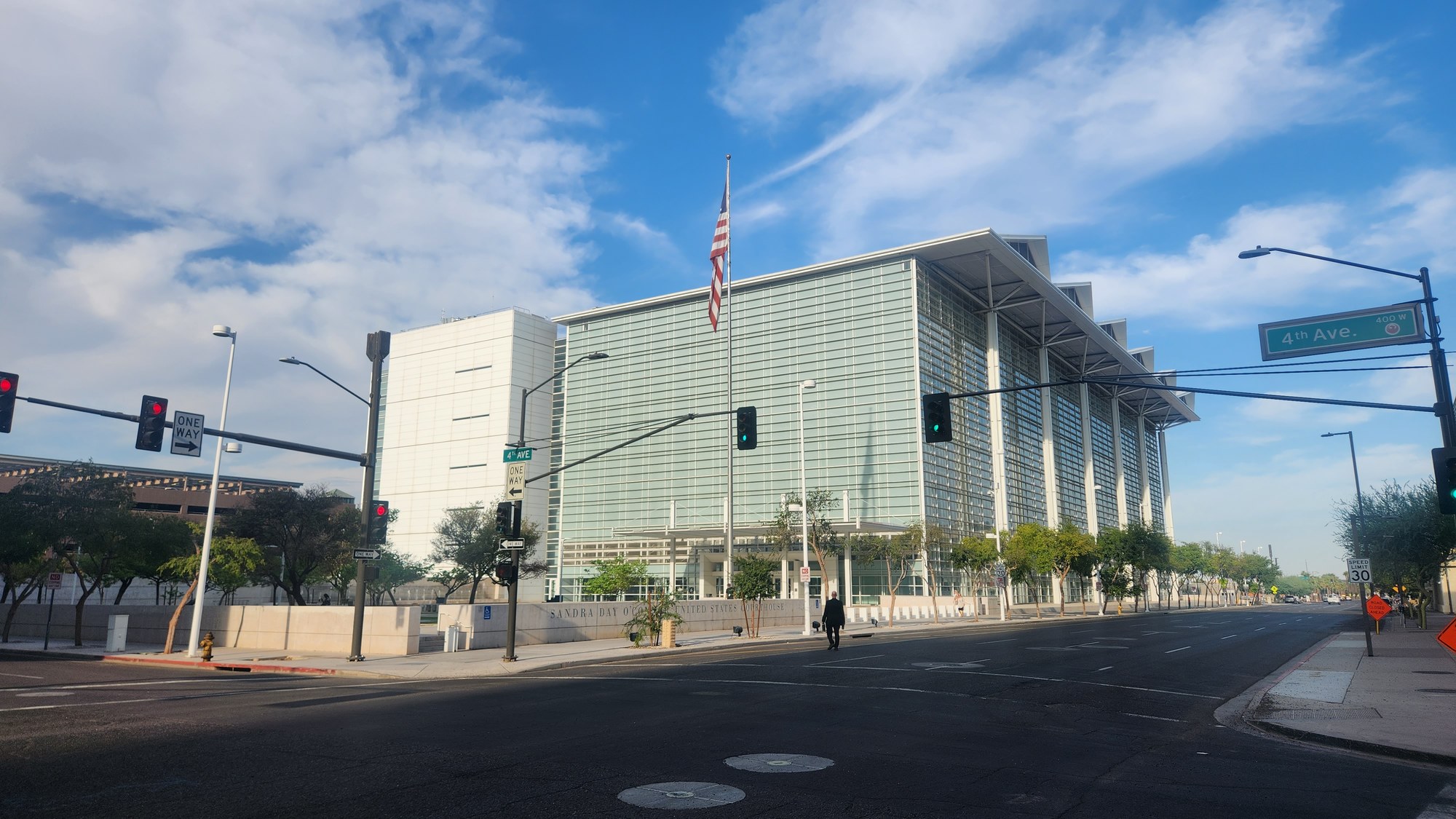
Anagho, 54, of San Tan Valley, Arizona, was sentenced in the District of Arizona after pleading guilty in May 2025 to conspiracy to commit wire fraud and health care fraud, according to the Justice Department’s announcement. Alongside the 14-year prison term, the court ordered her to pay almost $55 million in restitution. The case was prosecuted by the Fraud Section’s Health Care Fraud unit within the Justice Department’s National Fraud Enforcement Division, together with the U.S. Attorney’s Office for the District of Arizona, following an investigation by the FBI and the Department of Health and Human Services Office of Inspector General.
Free download: The first-hour steps in order, who to call at banks, agencies and credit bureaus, and what to document. Get the free scam and identity-theft action card.
How a Single Clinic Billed $69 Million in Ten Months
Anagho, a licensed nurse practitioner, owned and operated Tusa Integrated Clinic LLC, an outpatient addiction-treatment center that billed the Arizona Health Care Cost Containment System, the state’s Medicaid agency, more than $69 million between roughly May 2022 and March 2023. AHCCCS paid out approximately $54.9 million of those claims before the scheme was stopped. According to court documents cited in the release, the claims covered addiction-treatment services that were either never provided or not provided as billed. Anagho and her co-conspirators paid illegal kickbacks to owners of area sober homes in exchange for patient referrals, then falsified treatment notes and records to make the billing look legitimate. Court documents state that Anagho laundered the proceeds of the fraud and obstructed the government’s investigation once it began; when Tusa received a subpoena for its records, she instructed former employees to create fake documentation rather than turn over what actually existed. Restitution in a health care fraud case is paid to the entity the fraud harmed, which in this instance is AHCCCS itself — the release does not say how much of the nearly $55 million ordered has actually been collected.
Why the Scheme Targeted Native American Patients
Court documents describe a deliberate pattern in who Anagho and her co-conspirators enrolled at Tusa. Many of the patients were Native Americans covered by AHCCCS under the American Indian Health Care Program’s fee-for-service plan, which reimburses providers at higher rates than other AHCCCS plans. The release states that Anagho and her co-conspirators sought out patients under that specific plan because of the richer reimbursement it offered, funneling substance-abuse patients into a clinic built around fraudulent paperwork rather than treatment.
The $7 Million in Forfeited Real Estate
Beyond the restitution order, Anagho forfeited almost $9.5 million in fraud proceeds seized from seven bank accounts she controlled and almost $7 million in real estate properties purchased with the scheme’s proceeds. U.S. Attorney Timothy Courchaine for the District of Arizona connected the sentence directly to the program it exploited: “Ms. Anagho’s scheme manipulated a program that was intended to help Native Americans in Arizona,” Courchaine said. “The fourteen-year sentence that she received is a sign of how serious and damaging health care fraud is to our society, and how important it is that we stop individuals who undermine the value of these programs.” FBI Special Agent in Charge Rebecca Day of the Phoenix Field Office added that the bureau “will investigate and hold those who target, defraud, and exploit our healthcare programs accountable.”
What a $69 Million Claim Does to a State Medicaid Budget
AHCCCS operates on a fixed pool of state and federal dollars that also funds long-term care, home and community-based services, and coverage for older adults with disabilities alongside the addiction-treatment benefit Anagho exploited. Every dollar AHCCCS paid out on claims for treatment that was never delivered is a dollar that did not go toward care for a genuine patient, whether that patient needed addiction treatment or a nursing-facility placement funded through the same overall budget. Acting Deputy Inspector General for Investigations Miranda L. Bennett of HHS-OIG framed the stakes in those terms: “Medicaid funds exist to support some of our nation’s most vulnerable individuals,” Bennett said. “Exploiting this program for personal gain steals taxpayer dollars and undermines a critical safety net relied on by millions.” The Justice Department’s Health Care Fraud Strike Force Program, which brought this case, has charged more than 6,200 defendants who collectively billed federal health programs and private insurers over $45 billion since 2007. This particular prosecution runs through the National Fraud Enforcement Division, a unit the department created on April 7, 2026, to support the Task Force to Eliminate Fraud, a whole-of-government effort chaired by Vice President J.D. Vance. Assistant Attorney General Colin M. McDonald of the National Fraud Enforcement Division cast Anagho’s sentence as a deterrence message aimed at the same population of providers: “The Fraud Division is determined to hold accountable individuals who exploit the Medicaid system and Native American health care programs,” McDonald said. “This sentence sends a clear message — if you take advantage of vulnerable populations to steal from the American taxpayer, you will pay the price.”
Recovering After a Medical Billing Scheme
Court records describe patients recruited into a clinic for care that was billed but never delivered as billed — the kind of scheme a family member often discovers only after a loved one’s benefits have already been misused. There is rarely a printed checklist sitting next to a Medicaid card for the moment that discovery happens, even though that is often the same hour a family needs to freeze accounts, document what occurred and know who to call first.
The Senior Fraud Defense & First-Hour Recovery Kit is a 9-page kit built around the family code word and the free credit-freeze steps.
Look up the family code word and the credit-freeze steps in The Senior Fraud Defense & First-Hour Recovery Kit.
This article was researched and drafted with the assistance of AI and reviewed by an editor.