Brett Blackman, 43, of Johnson County, Kansas, was sentenced on October 14 to 19 years in prison for running the software behind one of the largest telemedicine fraud schemes the Justice Department says it has ever seen. Medicare and other federal health programs were billed more than $1 billion. Insurers paid out more than $450 million.
A jury convicted Blackman in April after a 23-day trial. He owned HealthSplash, the company that ran the platform, and served as its chief executive. The product was not a medical device. It was a website that produced doctors’ orders on demand.
A website that wrote doctors’ orders
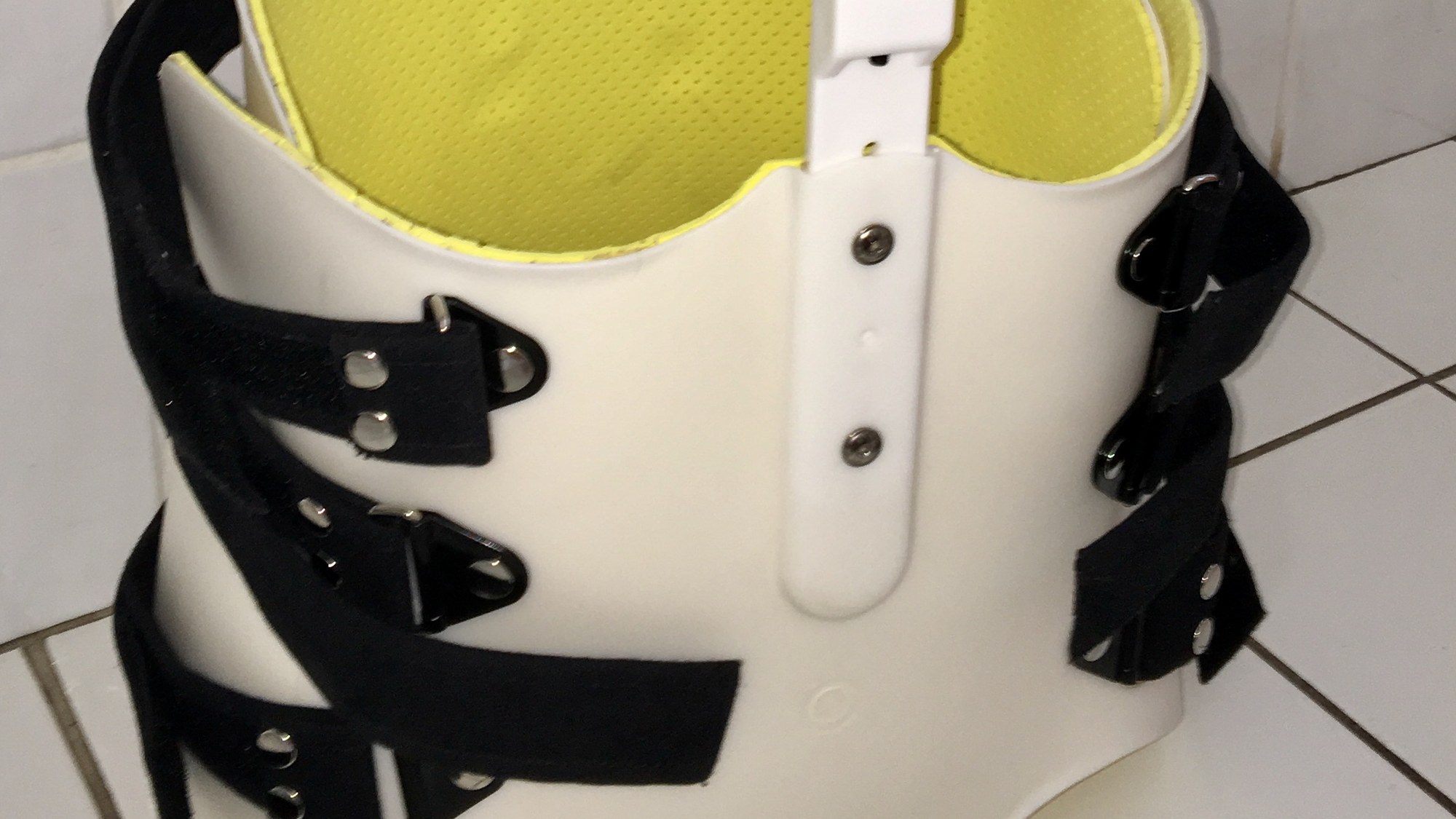
HealthSplash bought a platform called Power Mobility Doctor Rx, known as DMERx, in September 2017, the Justice Department says. It generated orders for durable medical equipment, the braces and gear Medicare pays suppliers for. Pharmacies, equipment sellers and marketers plugged into it to reach telemedicine companies.
Those telemedicine companies accepted kickbacks and bribes in return for orders created on the platform, and Blackman and his co-conspirators took a cut of the referrals. Doctors were paid to sign with little or no real contact with the patient, yet the orders falsely stated that the doctor had examined and treated the person.
One trial exhibit shows how thin the contact was. An undercover agent posing as a Medicare beneficiary was pushed by a call center overseas to accept several braces. A doctor then signed an order through DMERx saying in-person tests had been done, though the doctor never spoke to the agent.
To slip past Medicare audits, the group used sham contracts and altered orders, including removing any mention of telemedicine.
Where a brace shows up on a Medicare statement
For a beneficiary, the doctor’s order is invisible. What shows up is the claim. Medicare tells people to compare the dates and services on their own calendar with their Medicare statements, and to set up a secure Medicare.gov account so Original Medicare claims appear as soon as they are processed, according to Medicare’s fraud page. A brace, a glucose monitor or any equipment charge with no matching visit or delivery is the red flag.
Retirement deadlines, in your inbox: Miss an enrollment or claim deadline and the money can be gone. Join the Retirement Money Brief and we’ll send you our Scam & Identity-Theft Action Card as a welcome gift.
Get the Brief + the scam action card →
We may earn a commission from links on this page.
People who find a charge like that can report it for free. The Health and Human Services inspector general takes complaints online or at 1-800-HHS-TIPS, and asks for the business name and contact details, a short account of what happened and any billing records or photos. Medicare says to call 1-800-MEDICARE (1-800-633-4227) as well. The inspector general also warns that it rarely steps in to win back one person’s money.
Medicare also lists habits that keep a card number out of the wrong hands. It says to share the Medicare card and Social Security information only with a doctor or someone who should have it, such as a State Health Insurance Assistance Program counselor. Medicare will not call to sell anything or visit a home, and beneficiaries should turn down offers of money or gifts in exchange for free medical care.
A billion billed, $450 million paid
The two big numbers in this case are not the same thing. The government says billing topped $1 billion. Medicare and other insurers actually paid more than $450 million on those claims.
Medicare was billed for orthotic braces for more than 346,000 beneficiaries, an average of four braces each, the Justice Department says. At least 21 orthotics prescribed through DMERx were billed for more than 1,200 people.
Blackman was convicted of conspiracy to commit health care and wire fraud, conspiracy to pay and receive kickbacks, and conspiracy to defraud the United States and make false statements in health care matters. The court has not yet set restitution or forfeiture. His co-defendant, Gary Cox, received 15 years in December 2025.
The people the scheme was built to reach
Colin McDonald, the assistant attorney general who leads the department’s National Fraud Enforcement Division, said investigators had “dismantled one of the largest telemedicine fraud schemes ever.” He said it “lured hundreds of thousands of elderly and disabled Americans” into a telemarketing operation aimed at the Medicare trust fund.
The case drew in several agencies. HHS inspector general investigators, the FBI, the Veterans Affairs inspector general and the Defense Department’s criminal investigators all worked it, which fits a scheme that billed Medicare and also reached programs for veterans and service members.
Miranda Bennett, the acting deputy inspector general for investigations at HHS, said the sentence shows people who exploit federal health programs for personal gain face serious consequences. Brett Skiles, who heads the FBI’s Miami field office, said the scheme undermined the health care system and defrauded taxpayer-funded programs. Two Fraud Division lawyers, Darren Halverson and Reginald Cuyler Jr., prosecuted the case.
It is also part of a long line of cases. The department says its Health Care Fraud Strike Force program has charged more than 6,200 defendants since 2007 who together billed federal health programs and private insurers more than $45 billion.
The brace nobody remembers asking for
The Blackman verdict ends one platform. It does not tell anyone whether a single claim on their own account was real. The DMERx design depended on the beneficiary never seeing the order, so the statement is where the check has to happen. The next time a Medicare statement arrives, the question is simple: does every piece of equipment on it match something that was actually delivered and actually needed?
Is a brace on your Medicare statement one you never asked for?
A fake doctor’s order only gets caught when someone notices the claim it produced. People who spot equipment they never received, and then learn their Medicare number or other details were in a scammer’s hands, are in a race against how fast that information gets reused.
No kit covers brace billing itself. The closest job is the one that comes next, locking down personal information once a scam has it. The Senior Fraud Defense & First-Hour Recovery Kit gives the free credit-freeze steps, and Part 4, Locking Down What Is Left, walks through what to close, freeze and watch after a scam, with a fraud evidence and report log for the paper trail.
Get the first-hour plan and free credit-freeze steps in the Senior Fraud Defense kit →
More Financial Reading
- 15 Steps to Stop the Scams That Took $7.7 Billion From Seniors
- 21 Ways to Stretch a $2,087 Social Security Check
- 17 Medicare Money Moves Now That Part D Caps at $2,400
This article was produced with the assistance of AI and reviewed by the editorial team.