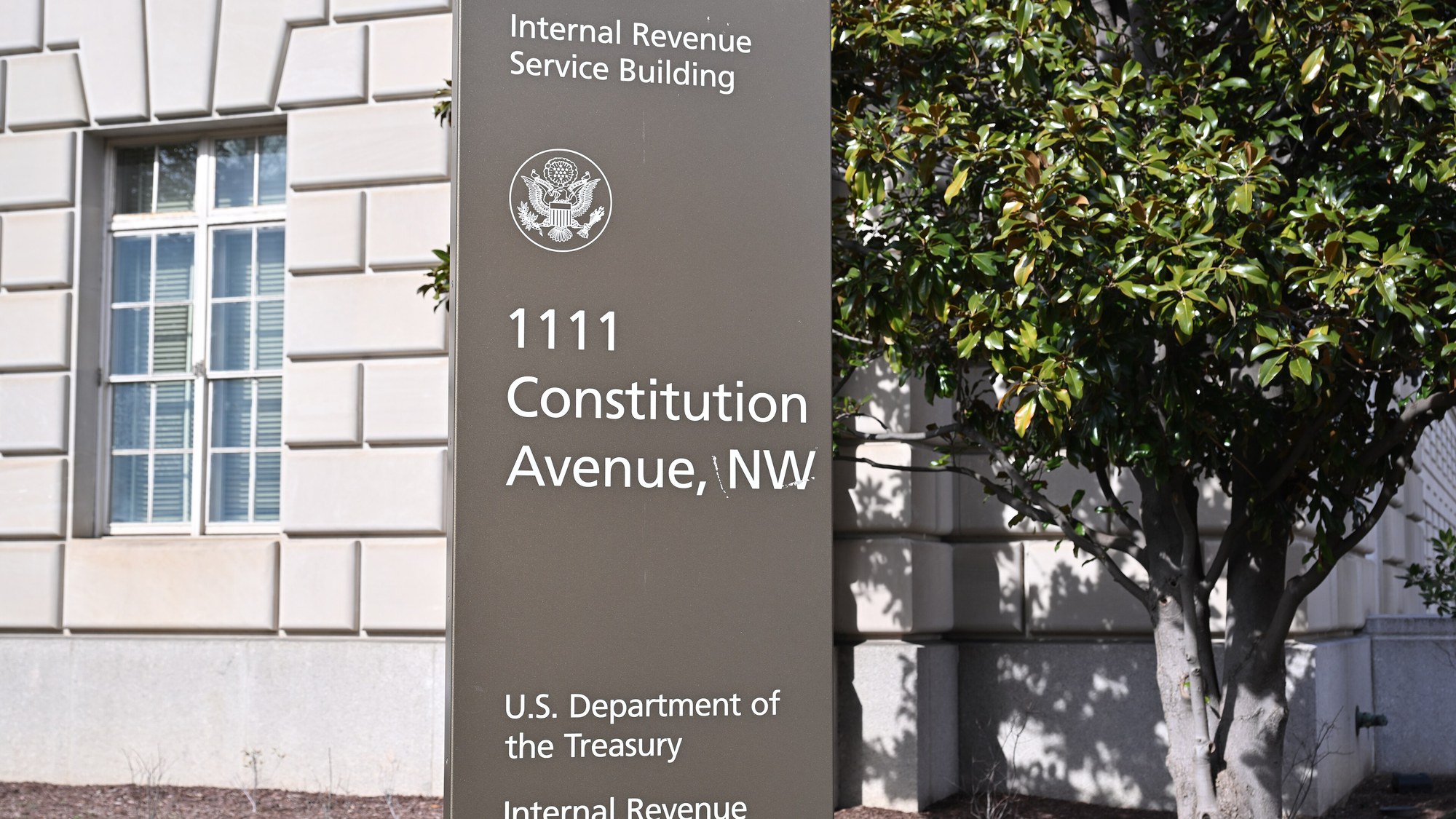
A tax preparer sits in a position of unusual trust. Clients hand over their income, their Social Security numbers, and their bank details, then sign whatever return is put in front of them, often without reading the fine print. Federal prosecutors say a Las Vegas preparer abused that trust to seek more than $5 million in refunds her clients were never entitled to — and quietly skimmed portions of those refunds for herself. She has now been sentenced to 30 months in federal prison.
Inside the Silver State Tax scheme
Iris Hondermann, who owned and operated Silver State Tax & Multiservices LLC, was sentenced to 30 months in prison for conspiring to defraud the United States, according to the Justice Department. From about 2017 through 2021, prosecutors said, she prepared client returns stuffed with false items designed to inflate refunds beyond anything the clients actually qualified for.
The fabricated entries followed a familiar menu of the credits and deductions that generate the largest refunds: invented business profits and losses, COVID-19 sick and family leave credits, and residential energy credits. On paper, those additions turned modest returns into large ones. In total, the scheme sought more than $5 million in refunds the clients were not owed, and Hondermann diverted portions of the resulting money to herself and a codefendant.
The four-year span of the conduct, from about 2017 through 2021, allowed the pattern to repeat across many clients before it unraveled. Diverting a portion of each inflated refund is a quieter form of theft than pocketing an entire check: a client who receives most of a larger-than-expected refund may never notice that a slice was skimmed, and the fabricated credits that generated the extra money can sit undetected until the IRS examines the return. That combination — a satisfied client and a padded refund — is what lets preparer fraud run for years.
Free retirement updates: Scam calls targeting retirees change every week. Our free Retirement Shield newsletter flags the ones going around and the one tell that stops each. Sign up free.
Why the taxpayer, not just the preparer, is exposed
A scheme like this carries a danger that clients rarely appreciate when a refund arrives larger than expected. The taxpayer whose name is on the return is legally responsible for what it claims, regardless of who filled it out. When the IRS later disallows fabricated credits, it is the taxpayer who must repay the improper refund, typically with interest and potential penalties on top.
For someone living on a fixed retirement income, that clawback can arrive years after the money has been spent, turning what looked like a windfall into a debt. The preparer who invented the numbers faces prison; the client who signed the return faces the bill. That asymmetry is exactly why the IRS urges taxpayers to review every return before signing and to be wary of any preparer who promises an unusually large refund or bases a fee on the size of that refund.
The warning signs of an abusive preparer
Several features of this case map onto red flags that regulators warn about every filing season. A preparer who asks clients to sign a blank or incomplete return, who declines to sign the return as the paid preparer, who directs part of a refund into an account the client does not control, or who invents business income and credits the client never mentioned is operating outside the rules.
The credits used here are among the most commonly abused precisely because they are lucrative. Residential energy credits and pandemic-era leave credits carry real dollar value, which makes them attractive targets for fabrication. A client who never installed energy-efficient equipment, or who never ran a business that could claim sick and family leave, has no business seeing those entries on a return. Taxpayers can guard themselves by reading the return line by line and asking about any figure they do not recognize before adding a signature.
Retirees are exposed to this pattern in a particular way. Many older filers have straightforward returns built around Social Security, pension, and investment income, so a return that suddenly reports business losses or leave credits is a clear mismatch with reality. A preparer who volunteers those items unprompted, or who resists explaining where a large refund came from, is signaling exactly the kind of conduct this case describes.
Protecting a refund and a Social Security number
Beyond the risk of a fraudulent return, handing tax documents to the wrong preparer exposes the most sensitive information a person owns: name, Social Security number, income, and bank account details. Those are the exact ingredients used in identity theft and in fraudulent refund claims filed in a victim’s name.
The IRS maintains guidance on choosing a tax professional and checking a preparer’s credentials at irs.gov, and it recommends confirming that any paid preparer signs the return and includes a valid preparer identification number. A legitimate preparer will provide a copy of the completed return, answer questions about every entry, and deposit refunds only into an account belonging to the taxpayer. Anyone who suspects a preparer has filed false claims or skimmed part of a refund can report it to the IRS, which treats preparer fraud as a distinct enforcement priority. The 30-month sentence in this case is a reminder that the agency does pursue these schemes — but the surest protection remains reading the return before it is filed and never signing one that claims income or credits that do not exist.
This article was produced with AI assistance and reviewed by The Financial Wire editorial team.
More Financial Reading
- The ideal retirement withdrawal rate so your savings actually last
- Adding someone to your bank account: tax traps and smart moves


