An elaborate scam that began with a fake security warning on a home computer ended with an elderly Wisconsin woman out $135,000 and a courier headed to prison. Tao Wu, 38, was sentenced in Marathon County to two and a half years behind bars, plus five years of extended supervision, after pleading no contest to felony theft for his role in collecting the victim’s money. The case is a step-by-step illustration of how a single pop-up can spiral into a month of cash handoffs, gift-card buys and Bitcoin transfers — the exact pattern that has made tech-support fraud one of the costliest crimes against older Americans.
How a pop-up turned into $135,000 in losses
The scheme started in October, when a pop-up appeared on the woman’s computer claiming her security had been breached and displaying a phone number to call, according to court documents reported by WSAW. When she called, a man posing as a “Microsoft Fraud Division” employee told her that her personal information had been used to buy thousands of dollars in illicit material, then transferred her to someone claiming to be from her bank’s technical support team. That second caller instructed her to move money so a fraudulent charge could be “canceled,” promising her funds would sit safely on a secure line and be returned. She was even given a code phrase — “I love white horses” — to signal she was speaking securely.
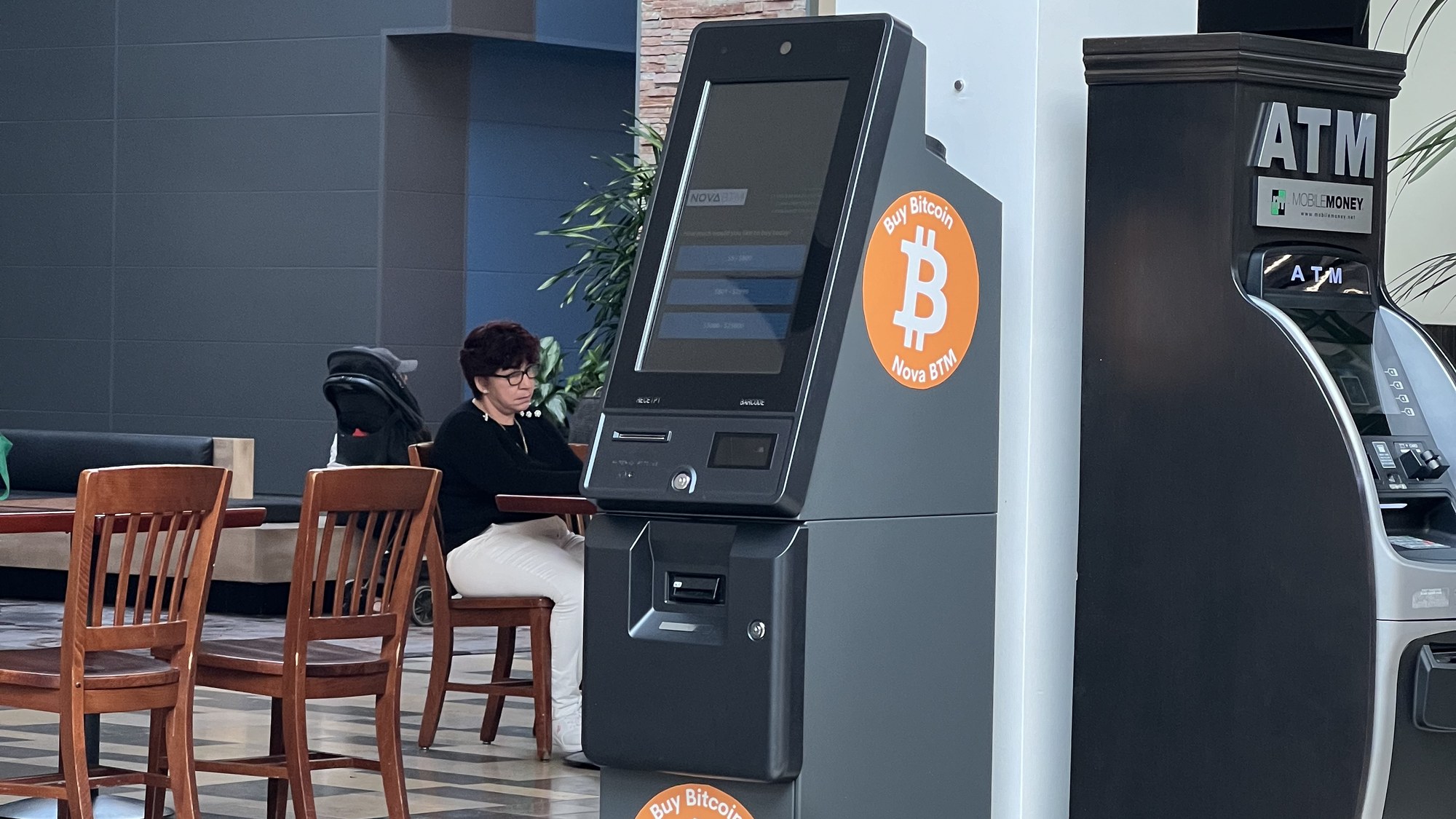
Over nearly a month, the caller phoned daily with instructions. The woman bought roughly $9,200 in gift cards and read the numbers aloud, handed $25,000 in cash to a man who came to her home and $45,000 in a separate exchange, and purchased $56,000 in Bitcoin that she passed to the caller. The demands stopped only when Wu arrived for another pickup on November 18 and was arrested by officers who were waiting. Investigators noted that Wu and the phone caller were different people; the caller contacted the woman again even after the arrest.
Free retirement updates: Scam calls targeting retirees change every week. Our free Retirement Shield newsletter flags the ones going around and the one tell that stops each. Sign up free.
The tech-support playbook, start to finish
Nearly every move in this case follows a script that federal investigators have documented for years. The FBI’s guidance on elder fraud describes the same sequence: a bogus alert about a compromised device or account, a phone number that connects to a fake support agent, and a manufactured emergency that pressures the target to move money fast to “protect” it. The invented crisis about illicit purchases and the promise that the money would be held safely are standard tools for keeping a victim compliant and quiet.
The division of labor is deliberate too. The person on the phone never touches the money; separate couriers handle the pickups, which insulates the ringleaders and makes the scheme harder to trace. That structure is why a single arrest, like Wu’s, rarely stops the operation — the callers simply move on, as they did here.
Why the money vanished for good
The payment methods in this case were chosen because they are nearly impossible to reverse. Gift-card numbers, once read aloud, are drained within minutes, and cash handed to a courier leaves no trail to follow. The Bitcoin transfers are the same story: the Federal Trade Commission warns that cryptocurrency payments typically come with no protections and are hard to reverse, which is exactly why scammers steer victims toward them. A wire that lands in a scammer’s crypto wallet is not a charge a bank can dispute; it is gone.
That permanence is the point of the whole design. By the time a relative or a financial institution notices the pattern — as the victim’s son and her retirement company eventually did — the money has usually already moved beyond recovery.
Why these schemes zero in on older victims
The choice of an older target was not incidental. The FBI’s Internet Crime Complaint Center reports that people over 60 lose more to fraud than any other age group, with tech-support and impersonation schemes ranking among the most common complaints those victims file. Older adults are more likely to hold substantial retirement savings and home equity, to answer a call from an unknown number, and to extend a supposed authority the benefit of the doubt — a combination that draws exactly this kind of drawn-out, high-dollar con.
The month-long arc of the Wisconsin case shows why the losses run so deep. Rather than a single grab, the callers built a routine of daily contact and manufactured trust — the “white horses” code phrase, the promise that the money was being safeguarded — that kept the victim moving funds long after a stranger’s demand would normally have raised alarm. By the time the pattern finally broke, the total had reached six figures across cash, gift cards and Bitcoin.
The tells a family can catch early
Several red flags in this case are the same ones investigators urge families to watch for. No real company or government agency delivers a warning through a computer pop-up with a call-back number, asks anyone to buy gift cards or Bitcoin to resolve a problem, or sends a courier to a home to collect cash. A caller who insists on secrecy, coaches a person through unusual purchases, or invents a code phrase is running a con, not protecting an account.
The restitution hearing in Wu’s case is still to be scheduled, and whether the victim recovers any of the $135,000 remains open. That uncertainty is the hard lesson underneath the sentence: prosecutions can follow, but the surest protection is stopping the money before it leaves — hanging up on the pop-up’s number, and treating any demand for gift cards, cash couriers or cryptocurrency as proof of a scam.
This article was researched and drafted with AI assistance and reviewed against the linked primary sources.
More Financial Reading
- Adding someone to your bank account: tax traps and smart moves
- The ideal retirement withdrawal rate so your savings actually last