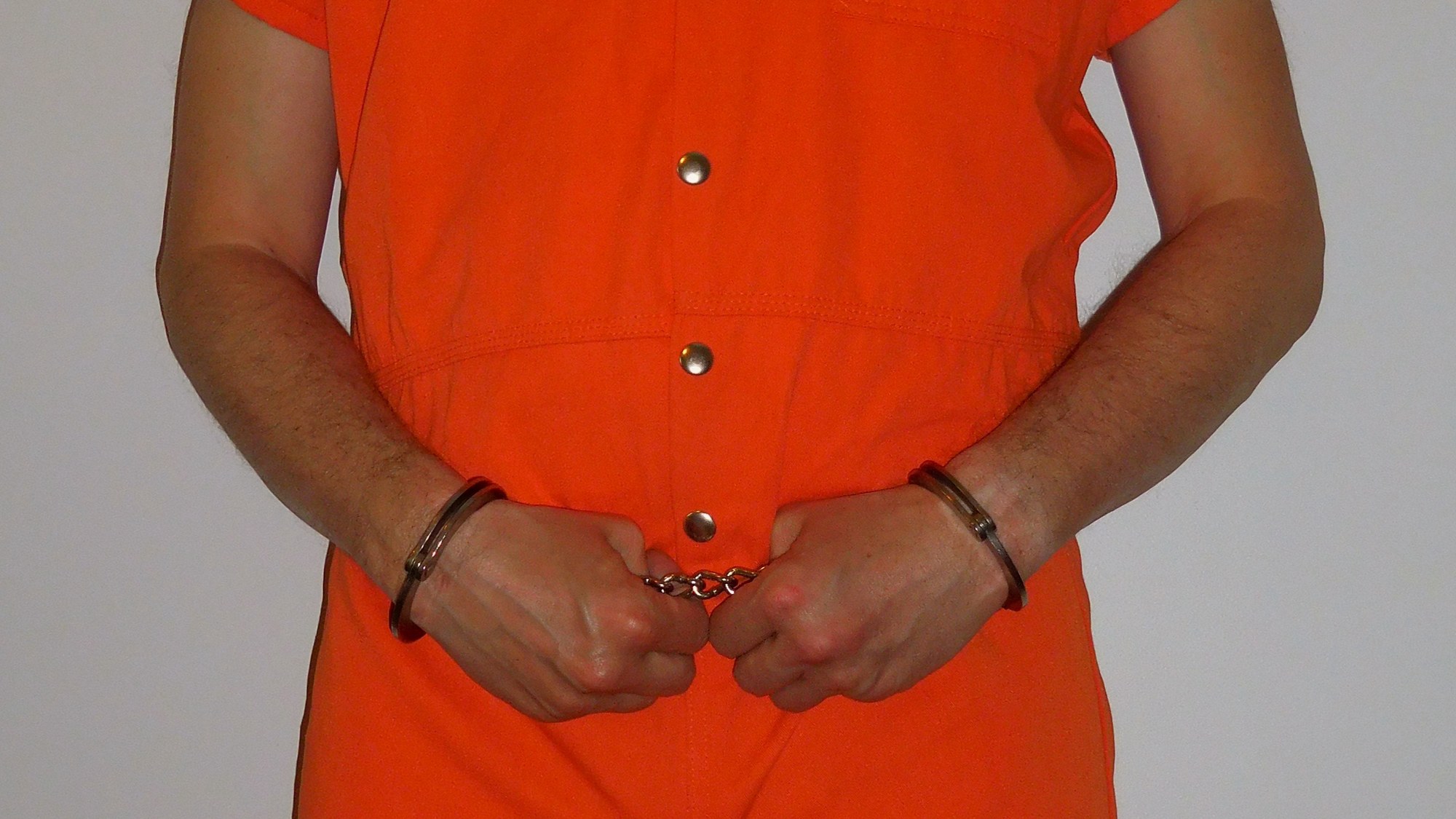
Leor Moshe, 43, of Toms River, New Jersey, pleaded guilty on August 13, 2026, to a single count of wire fraud for running what prosecutors describe as a Ponzi-like scheme that took roughly $47 million from more than 97 people between June 2019 and June 2023. Moshe has not yet been sentenced; that hearing is scheduled for December 16, 2026, before U.S. District Judge Robert Kirsch in Trenton.
A Pitch Built on Trust, Not Cold Calls
Unlike a boiler-room operation that dials strangers off a purchased list, prosecutors say Moshe raised money almost entirely inside his own community. According to the U.S. Attorney’s Office for the District of New Jersey, his investors were predominantly members of the Orthodox Jewish community, and U.S. Attorney Robert Frazer said Moshe “turned the trust of his own religious community into a tool for fraud, exploiting personal relationships to fuel a massive Ponzi scheme.” That distinction matters for how the fraud spread: affinity-based schemes rely on referrals between people who already trust one another, which can let them grow for years with fewer of the red flags an outside solicitation would raise.
The pitch itself centered on Moshe’s company, Capital Funding ASAP LLC, which he told investors would use their money exclusively to fund short-term business loans generating returns of between 9% and 53%. Returns in that range, especially at the high end, are far outside what any legitimate short-term lending business can reliably produce, a gap that in hindsight functioned as its own warning sign.
Free retirement updates: Enrollment and claim windows come and go, and missing one can cost real money. The free Retirement Shield newsletter keeps readers ahead of the deadlines that matter. Sign up free.
The 9% to 53% Promise Behind Capital Funding ASAP
In reality, according to court documents, Moshe used new investor money to make Ponzi-style payments to earlier investors and diverted roughly $11 million to personal expenses, including gambling debts, home renovations, mortgage payments, and car loans. FBI Newark Special Agent in Charge Stefanie Roddy said the case shows how investment fraud “can drain people’s bank accounts and also upend their lives,” noting that dozens of victims trusted Moshe’s promises only to fund his gambling habit and other personal costs.
The information Moshe pleaded guilty to lays out the mechanics in more detail than the returns pitch alone. It describes a four-year run in which Capital Funding ASAP kept attracting new money even as Moshe was already using earlier investors’ funds for personal spending, a pattern that only holds together as long as new deposits keep outpacing withdrawal requests. Once that flow slows or investors start asking for their principal back, a scheme built this way has no real assets behind it to return.
A Guilty Plea, Not Yet a Sentence
A guilty plea to wire fraud carries a statutory maximum of 20 years in prison and a fine of $250,000, or twice the financial gain or loss involved, whichever is greater, though actual federal sentences typically fall well below the maximum. The Justice Department noted the case as part of the work of its newly created National Fraud Enforcement Division, announced in April 2026 to support President Trump’s Task Force to Eliminate Fraud, a whole-of-government effort chaired by Vice President J.D. Vance targeting fraud, waste, and abuse in federal programs, though Moshe’s scheme itself involved private investment funds rather than a government benefit.
Sentencing in December will determine how much of that $47 million, if any, investors can realistically expect to recover. Federal wire fraud cases routinely include a restitution order requiring a defendant to repay victims, but a restitution order is only as good as what the defendant actually has left; prosecutors have not said in court filings how much of the $11 million in personal spending, or the remainder that went to earlier investors, could plausibly be clawed back from Moshe himself. Assistant U.S. Attorneys Christopher Fell and Jennifer Kozar are handling the prosecution out of the Newark office, working alongside FBI agents and the SEC’s New York Regional Office, which jointly investigated the case before Moshe’s plea.
Why Affinity Fraud Is Hard to Spot From Inside a Community
The SEC’s own investor alert on affinity fraud describes exactly the pattern prosecutors allege here: fraudsters who are, or pretend to be, members of the group they are defrauding, exploiting the trust that already exists inside a religious, ethnic, or social community. The alert’s core advice applies regardless of who is asking for the money: verify that anyone offering an investment is a registered investment professional, and run an independent background check through the free search tool on Investor.gov, rather than relying on a personal relationship or a recommendation passed along inside a trusted group.
Affinity schemes often spread through people who never intend to defraud anyone. The alert notes that fraudsters sometimes recruit respected figures inside a group to vouch for an investment, and those figures can be victims themselves, unaware they are lending their own credibility to a fraud. Nothing in the New Jersey case identifies any such intermediary, but the broader pattern helps explain how a scheme reliant on word-of-mouth referrals inside one community can reach 97 people and $47 million over four years without the kind of public marketing that might have drawn earlier scrutiny from regulators or law enforcement.
This article was produced with AI assistance and reviewed by The Financial Wire editorial team.
More Financial Reading
- How many CDs can you park at 1 bank? FDIC rules you must know
- Adding someone to your bank account: tax traps and smart moves