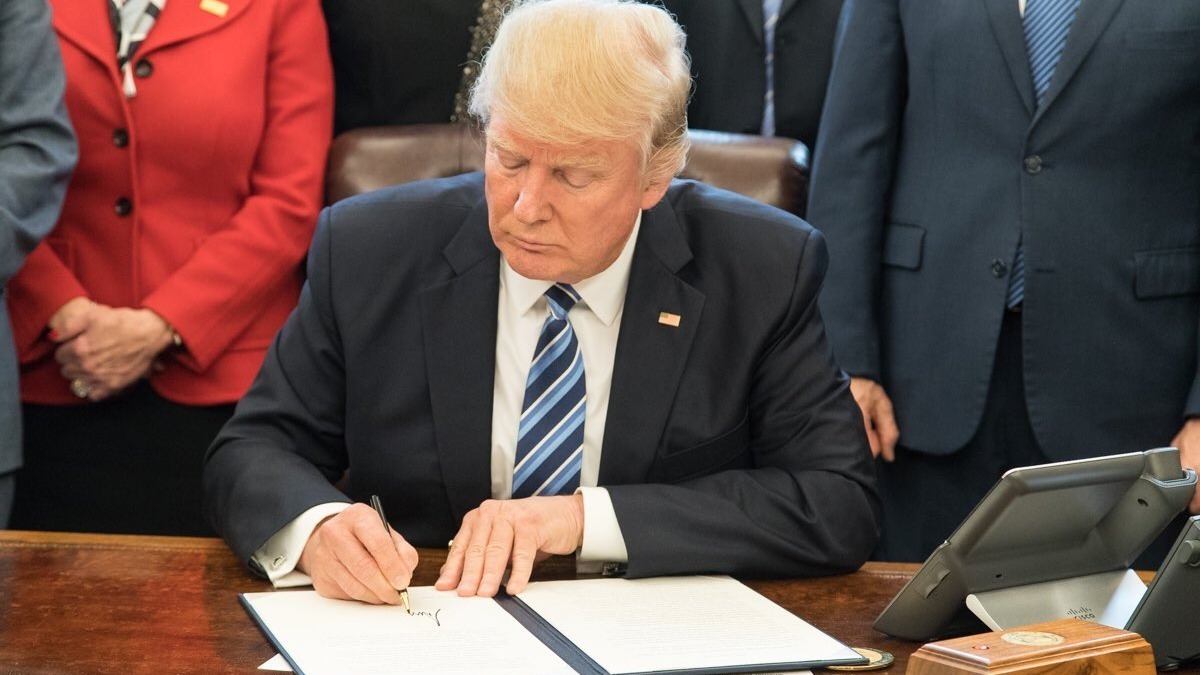
The menu of investments allowed inside workplace retirement plans is set to widen, and the new options come with tradeoffs retirees will want to understand before embracing them. A presidential order has directed federal regulators to open 401(k) and similar plans to alternative assets such as private equity and cryptocurrency, investments long kept off most plan menus. The change does not force any employer to add these choices, but it removes the regulatory caution that had discouraged them.
What the executive order set in motion
The order instructed federal agencies to make it easier for defined-contribution plans, the category that includes 401(k) and 403(b) accounts, to offer participants access to alternative investments. Alongside private equity and digital assets, the directive covered private credit, real estate, and other holdings that fall outside the usual lineup of stock and bond funds. The stated goal was to give ordinary savers access to asset classes that had largely been the domain of pensions and wealthy investors.
Following the order, the Labor Department moved quickly. In August 2025 it rescinded a 2021 statement that had urged plan fiduciaries to exercise special caution before adding private equity, a reversal that signaled regulators would no longer single out these assets for extra scrutiny.
Free retirement updates: Social Security and Medicare change every year, and nobody sends you a memo. Our free Retirement Shield newsletter breaks down what changed and what to do. Get it free in your inbox.
Why private equity and crypto carry higher costs
The new options differ from index funds in ways that reach directly into returns. Private equity and private credit funds typically charge management and performance fees well above those of the low-cost mutual funds and index funds that dominate retirement menus, and those fees compound over the decades a retirement account is held. Cryptocurrency, for its part, is known for sharp price swings that can erase a large share of value in a short period.
Liquidity and pricing add further complications. Private assets are not traded on public exchanges, so they can be hard to value accurately and difficult to sell quickly, a mismatch for savers who may need to move money or begin withdrawals on a set schedule. Those characteristics are why such holdings had historically been treated with caution inside retirement plans.
The fiduciary safeguards now under review
Employers who sponsor 401(k) plans operate under a federal duty to act in participants’ best interests, and that obligation is central to how the new options will be handled. The Labor Department has said it will reexamine its guidance on those fiduciary duties and intends to clarify what a plan sponsor must weigh before offering a fund that includes alternative assets, including the possibility of legal safe harbors that would give employers more confidence to add them.
That review matters because the fiduciary standard is the main line of defense for savers. If regulators loosen how sponsors are judged, more plans may add alternatives, but the protection against imprudent choices rests on how firmly those duties are ultimately drawn. The department has framed the effort as clarifying, rather than eliminating, the responsibilities employers owe their workers.
A proposed rule now moving forward
The initiative has advanced beyond statements into formal rulemaking. In March 2026 the Labor Department proposed a rule intended to broaden access to alternative investments in 401(k) plans, a step that turns the earlier direction into a concrete regulatory proposal. Like any proposed rule, it moves through a public comment period before it can be finalized, so the details that will govern how these assets appear in plan menus are not yet locked in.
The most likely path is gradual rather than sudden. In practice, alternatives would generally reach savers packaged inside professionally managed options, such as target-date or asset-allocation funds, rather than as standalone choices a participant buys directly. That structure would fold a slice of private equity or other alternatives into a diversified fund, which can soften the impact of any single volatile holding but does not erase the higher fees embedded in the underlying assets. It also means many savers could gain exposure without actively choosing it, simply by holding the default fund their plan assigns, which is why the terms of the final rule and the disclosures that accompany these funds will matter as much as the headline decision to allow them.
What it means for retirement savers
For most workers, nothing changes automatically. The order and the rulemaking clear a path, but each employer decides whether to add private equity, crypto, or other alternatives to its plan, and many may proceed cautiously given the cost and liquidity concerns. Savers who do see such options appear will face a choice between the potential for higher returns and the reality of higher fees, harder-to-value holdings, and greater volatility. For those nearing or in retirement, the practical questions are how much of a nest egg belongs in illiquid or volatile assets and whether the added cost is justified. As the proposed rule works through its comment period, the terms that will shape those decisions remain in development, and the safeguards attached to them are the detail most worth following.
This article was produced with the assistance of artificial intelligence and reviewed by The Financial Wire editorial team.
More Financial Reading
- The ideal retirement withdrawal rate so your savings actually last
- Bank statements: how long to keep them and when to toss them