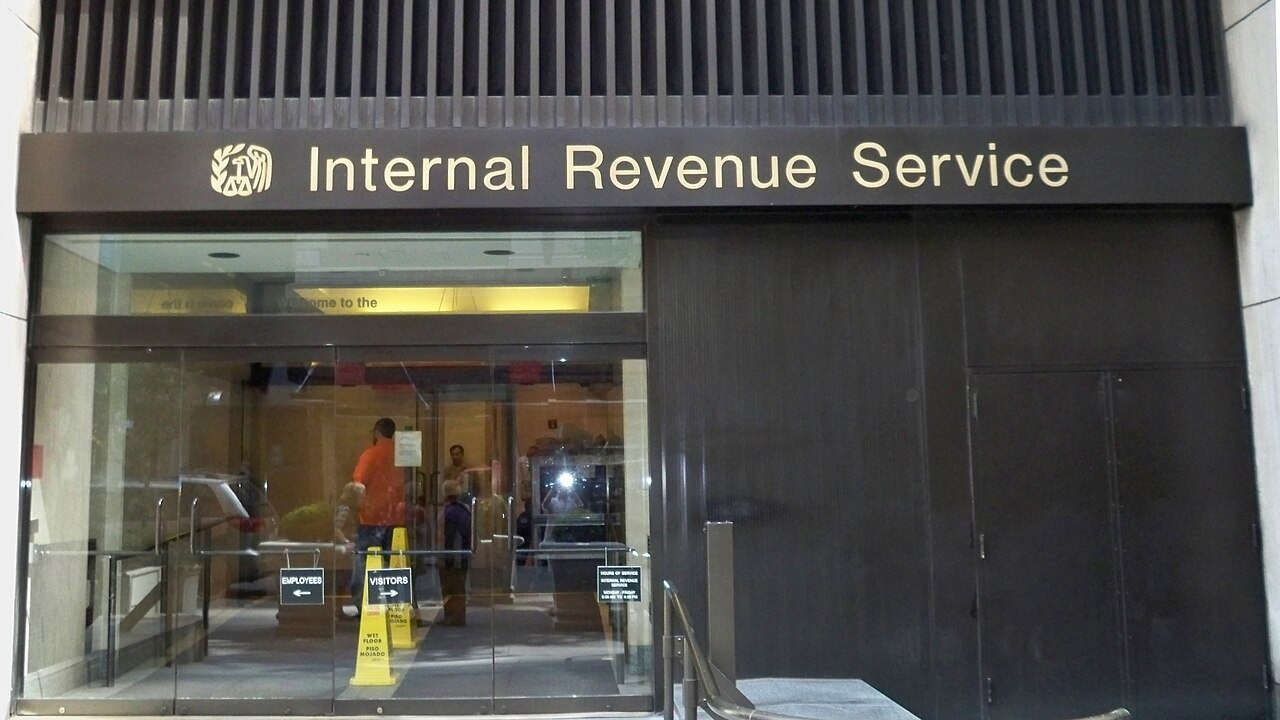
A longtime tax preparer in Bellevue, Washington, is headed to federal prison for turning other people’s returns into a fraud operation. Thanjavur Manavalan, the 65-year-old owner of Mano Accounting Services, was sentenced to 18 months behind bars, ordered to pay a $100,000 fine and told to repay tens of thousands more after a jury found he filed false returns that cheated the U.S. Treasury out of hundreds of thousands of dollars. For anyone who pays a professional to handle their taxes, the case is a pointed reminder that a preparer’s signature does not shift the legal risk off the taxpayer’s shoulders.
The scheme behind the sentence
According to the U.S. Attorney’s Office for the Western District of Washington, Manavalan was convicted on three counts of aiding and assisting in the preparation of false tax returns following an eight-day jury trial in March. Prosecutors said he padded client returns with fabricated entries: inflated charitable contributions, made-up business losses, altered investment cost figures, misstated rental income and phantom private loans. The falsified numbers lowered what his clients appeared to owe, and the total loss to the Treasury topped $250,000.
The fraud was also a growth strategy. Because Manavalan was paid per return, a reputation for shrinking tax bills drove new business, and the office’s year-over-year growth jumped from roughly 50 additional returns to nearly 300. Many of his clients worked in the technology field and testified that they had trusted him to compute and file their taxes correctly.
At sentencing, U.S. District Judge Lauren King said Manavalan had shown “complete disrespect for the law,” describing a long-running scheme that “ended only when the IRS showed up at your front door.” Alongside the fine, the court ordered $115,672 in restitution and one year of supervised release after the prison term.
Free retirement updates: Scam calls targeting retirees change every week. Our free Retirement Shield newsletter flags the ones going around and the one tell that stops each. Sign up free.
Why the taxpayer, not the preparer, carries the risk
The clients in this case trusted the person handling their returns, and that trust is exactly where the exposure lives. A signed and filed return is treated as the taxpayer’s own statement to the government, even when a paid professional entered the numbers. When a preparer inflates deductions, the refund may look larger in the moment, but the account holder is the one who owes the back taxes, interest and penalties if the entries fall apart under review.
That structure hits retirees in specific places. Fabricated charitable gifts, phantom rental income and mangled investment cost-basis figures are the kinds of line items that show up on older filers’ returns, where account sales, property income and giving are common. A return that quietly overstates any of them can sit undisturbed for years, then unravel all at once when an examiner pulls the file.
What IRS Criminal Investigation looked for
The case was worked by IRS Criminal Investigation, the agency’s law-enforcement arm, which built the evidence that a jury weighed at trial. The IRS-CI account of the sentencing frames the outcome as a deterrent aimed at tax professionals who abuse the trust their clients place in them. Investigators pointed to the same pattern the trial detailed: falsified entries repeated across many returns over multiple tax years, in a way that grew the practice while shorting the Treasury.
The signals a wary client can watch for track that pattern. A preparer who guarantees a refund before seeing the records, who invents deductions the taxpayer cannot document, or who refuses to sign the return or provide a preparer identification number is operating outside the rules. Legitimate preparers sign every return they complete, list their credentials and are willing to explain each figure.
Verifying a preparer before the return is filed
The federal tax agency maintains public tools built for exactly the situation Manavalan’s clients found themselves in. The IRS advises taxpayers to choose a preparer who holds a valid Preparer Tax Identification Number, signs the return and enters that number on it, and it publishes a searchable directory of preparers who hold recognized credentials such as certified public accountant or enrolled agent. A preparer who declines to sign a completed return, works only in cash and off the books, or ties the fee to the size of the refund is showing the warning signs the agency tells filers to steer clear of.
For an older taxpayer, the stakes of getting that choice wrong reach well past a single filing. Correcting a fraudulent or erroneous return can mean submitting amended paperwork, repaying back taxes with interest that has compounded for years, and absorbing accuracy penalties — costs that land on a fixed retirement income rather than on the preparer who created the problem. Checking credentials against the agency’s directory before signing anything is far cheaper than untangling a bad return after an examiner opens the file.
The cost of a return that looks too good
Manavalan’s clients got returns that saved them money in the short term and left them tied to a criminal case in the long term. The judge’s line — that the scheme ended only when federal agents arrived — captures the core lesson for anyone choosing who prepares their taxes. A return is a legal representation to the government, and a preparer who treats it as a marketing tool eventually draws the scrutiny that unwinds the whole arrangement.
This article was researched and drafted with AI assistance and reviewed against the linked primary sources.
More Financial Reading
- Bank statements: how long to keep them and when to toss them
- Adding someone to your bank account: tax traps and smart moves


