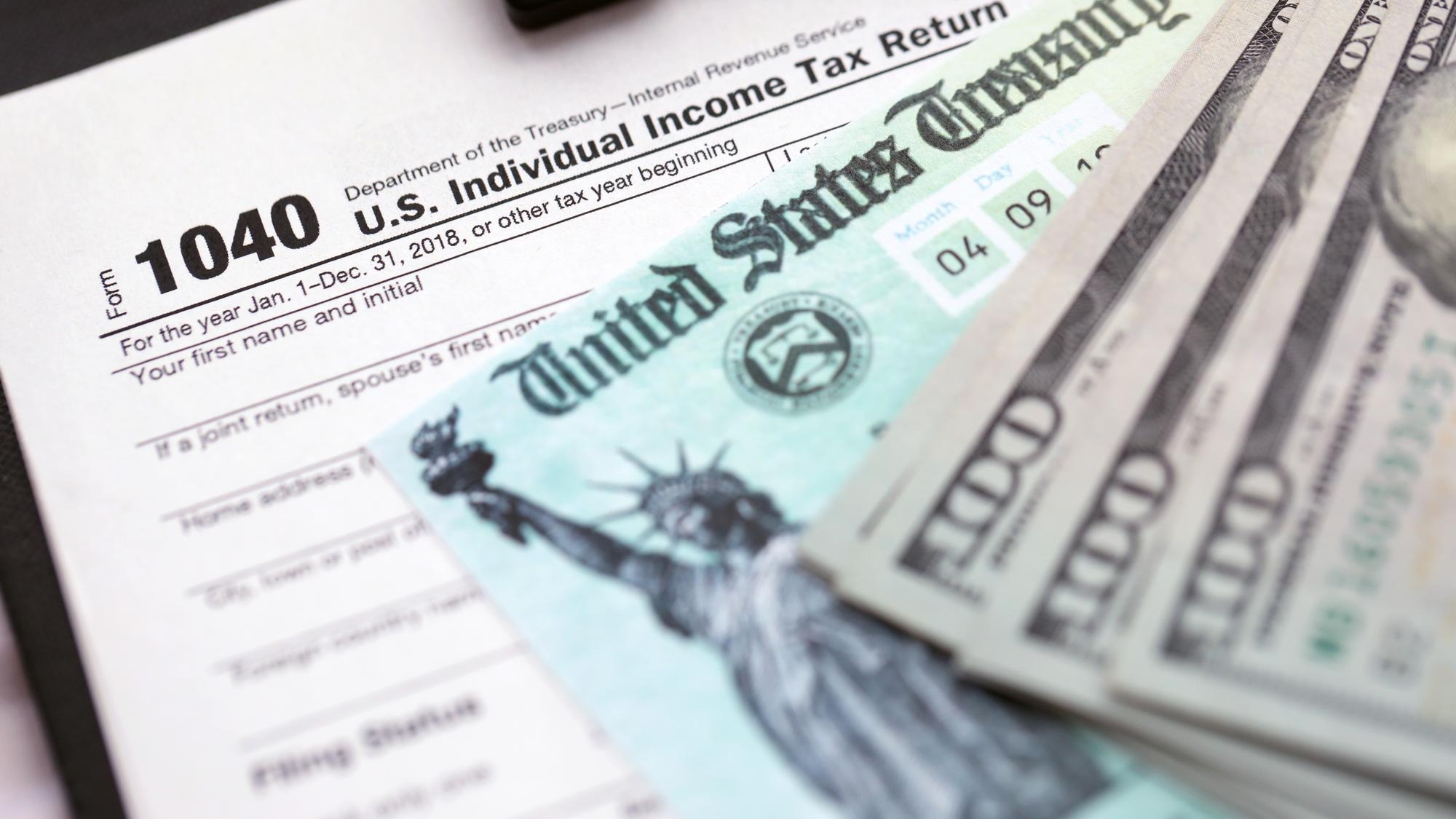
U.S. citizens and permanent residents living overseas face a filing deadline of June 15 for their 2025 federal tax returns. The date applies to calendar-year filers who were outside the country on April 15, the standard due date. To qualify, taxpayers must attach a written statement to their return showing they meet the criteria described in Treasury Regulation 1.6081-5(a). Missing the deadline or failing to include the statement can trigger late-filing penalties even when no additional tax is owed.
Why the June 15 deadline differs from a standard extension
Most domestic filers who need extra time must submit Form 4868 before April 15 to request a six-month extension. Overseas filers operate under a separate rule. According to the IRS, taxpayers who are living outside the United States or serving in the military on duty abroad on the regular due date receive an automatic two-month extension without filing any request form. That shifts the deadline from April 15 to June 15 for calendar-year returns.
The statutory authority behind this treatment sits in 26 U.S. Code Section 6081, which empowers the Treasury Secretary to grant filing extensions and includes a specific carveout for taxpayers who are abroad. The law treats overseas filers differently from domestic filers when setting maximum extension limits. In practice, this means the two-month window is not discretionary; it is built into the code itself.
One wrinkle worth tracking: the IRS describes the qualifying conditions in slightly different terms across its own publications. Its international taxpayer page states the extension applies to those residing overseas or in the military on duty outside the U.S. on the regular due date. Separately, Topic No. 304 frames the rule as covering taxpayers “out of the country on the return due date” who meet living, working, or military-duty criteria. The practical effect is the same, but the language gap could confuse filers trying to determine whether short-term travel or temporary assignments qualify.
How the automatic extension interacts with Form 4868
The June 15 date is not the outer limit for filing from abroad. Eligible taxpayers can still request an additional extension to October 15 by filing Form 4868 on or before June 15. The IRS explains in its general extension guidance that a timely Form 4868 normally gives most individual filers up to six extra months to submit their return. For overseas filers, that six-month period is measured from the original April deadline, so the combined effect of the automatic two-month extension and a Form 4868 request is to move the filing due date to mid-October.
It is important to distinguish between extra time to file and extra time to pay. The automatic overseas extension does not postpone the date on which tax is due. Interest will accrue on any unpaid balance from April 15 even if the taxpayer qualifies for the June 15 filing deadline or obtains a further extension to October. Late-payment penalties may also apply if the amount paid by April 15 is insufficient, although filing on time generally reduces additional penalty exposure.
What the IRS requires to prove overseas status
Filing by June 15 alone is not enough. The IRS instructs taxpayers to attach a statement to their return indicating they qualify under Treasury Regulation 1.6081-5(a). This is the mechanism that distinguishes a legitimate overseas extension from a late filing. Without that statement, the return may be processed as if it were filed after the April 15 deadline, potentially generating penalty notices.
The statement does not have a prescribed form, but it should clearly indicate that the taxpayer was living outside the United States or on qualifying military duty on the regular due date and that they are claiming the automatic two-month extension under the regulation. Taxpayers filing jointly should explain how the rules apply to each spouse, particularly if only one spouse was physically abroad on April 15.
The hypothesis that overseas filers who properly attach the 1.6081-5(a) statement experience lower audit rates than domestic filers who request discretionary extensions cannot be confirmed or denied with available data. The IRS has not published audit-rate breakdowns by extension type, and no primary dataset in the public record isolates overseas automatic extensions as a variable. Any claim about differential audit treatment remains speculative absent that data.
Filers who mail their returns from abroad can establish timely filing through designated private delivery services. The IRS listed approved carriers in Notice 2016-30, which updated the roster of services that satisfy the timely-mailing-treated-as-timely-filing rule under Internal Revenue Code Section 7502. Using an unapproved carrier risks the return being treated as received on its arrival date rather than its mailing date.
Taxpayers who discover after June 15 that they should have claimed the overseas extension may still be able to request penalty relief. The IRS can abate certain late-filing or late-payment penalties for reasonable cause, and first-time abatement procedures may be available to otherwise compliant taxpayers. However, these remedies are discretionary and often require a written explanation, so documenting overseas status and claiming the automatic extension correctly the first time remains the more straightforward approach.