
The $273-a-Month Habit Most People Undercount
A poll of more than 1,000 U.S. adults conducted by West Monroe found that Americans spend an average of $273 per month on subscriptions spanning 21 categories, including video streaming, music, fitness apps, software, and food delivery. The firm published its findings through a press release that highlighted both the growth in subscription spending and the scale of consumer miscalculation. That figure was up from $237 per month in 2018, reflecting steady growth in both the number of services available and the willingness of companies to convert one-time purchases into recurring billing. The most striking finding was not the dollar amount itself but how poorly respondents estimated their own spending. Across the board, people guessed their totals were far lower than what their bank records showed, often by hundreds of dollars a month. Separate research points to a wide range of estimates depending on methodology and sample. A consumer study by mobile payments company Bango pegged the average American subscriber’s annual outlay at $924, while a 2024 analysis by market researchers at C+R Research placed average monthly spending at $86. The discrepancy between these figures and the West Monroe number likely reflects differences in how “subscription” is defined. Narrower surveys that count only entertainment streaming will land well below surveys that also tally insurance auto-pay, gym memberships, and software licenses. Regardless of which number best represents a given household, the pattern holds: a substantial share of subscribers report losing track of what they pay and struggle to recall how many services they are currently enrolled in. These insights are increasingly shaped by how data and announcements reach the public. Many corporate and polling updates now move first through large distribution platforms such as PR Newswire, where research firms, brands, and agencies post findings that are then picked up by news outlets and financial analysts. For communications professionals, tools like Cision’s online portal have made it easier to push subscription-related news to targeted audiences. That same infrastructure helps fuel the subscription ecosystem itself, promoting new services and limited-time offers that entice consumers into yet another recurring charge.How Enrollment Tricks Inflate the Bill
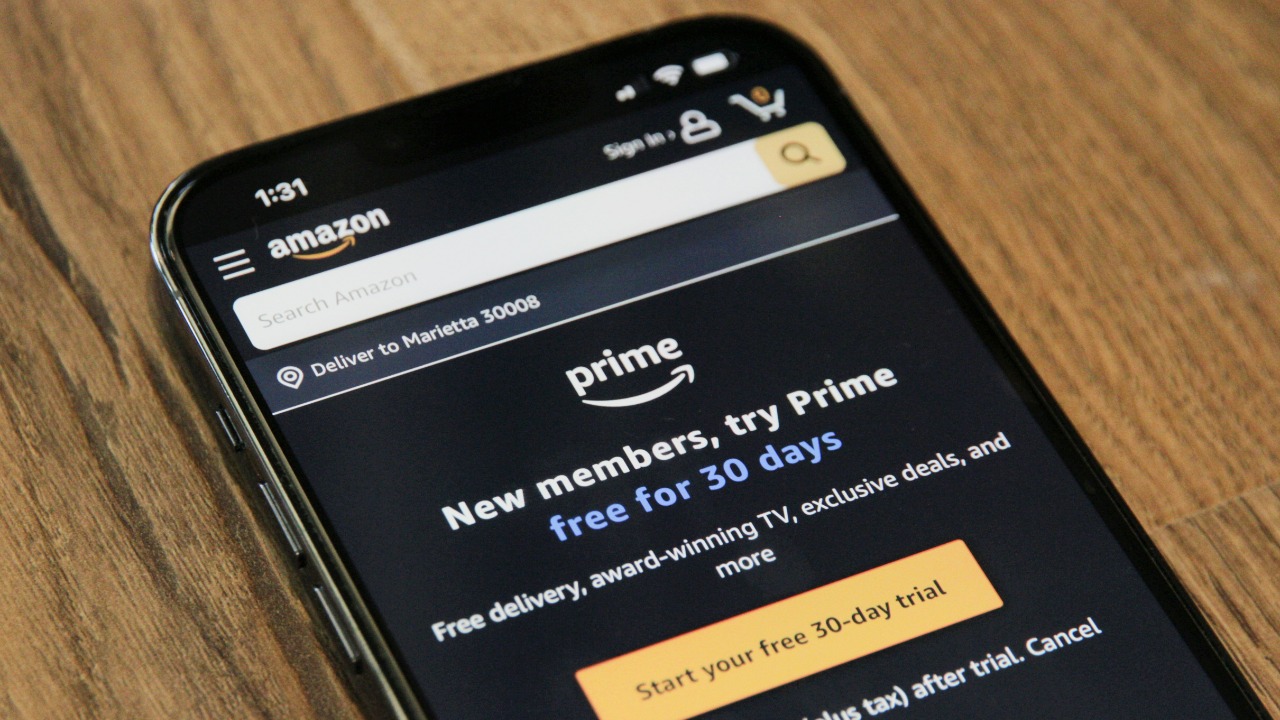
The awareness gap is not entirely the consumer’s fault. Companies have financial incentives to make sign-ups frictionless and cancellations difficult, a combination regulators call “negative option” marketing. The Federal Trade Commission maintains a Negative Option Rule that specifically addresses recurring subscriptions and programs that interpret consumer silence or inaction as consent to keep charging. The agency’s view is that these practices cause two distinct harms: charges consumers did not intend to authorize and barriers that make it hard to stop paying once enrolled. The highest-profile enforcement case in recent years targeted Amazon. The FTC alleged that the company enrolled users in Prime without clear consent and then deliberately complicated the cancellation process, trapping customers in recurring charges they did not want. According to the agency’s complaint, the cancellation flow was designed with multiple redirect screens and confusing prompts intended to discourage people from following through. That case illustrated a broader industry pattern: the easier it is to start paying, the harder it often is to stop. Regulators argue that dark patterns—interfaces that nudge people toward a company’s preferred outcome—play a central role. Free trials that require a credit card upfront, pre-checked boxes for auto-renewal, and vague language about “membership benefits” can all lead to charges that feel inadvertent. Once enrolled, subscribers may face limited cancellation windows, requirements to call during business hours, or pressure from customer-retention agents who are trained to talk them out of leaving.A Regulatory Fix That Stalled in Court
Responding to a wave of complaints, the FTC adopted a final “click-to-cancel” rule that would have required sellers to make cancellation as simple as enrollment. The rule also mandated clear consent before any subscription charge and upfront disclosure of billing terms. That effort, however, has faced legal challenges, and its status has been contested in court. Consumers who want the most up-to-date information should consult the FTC’s official releases and court filings. Consumers who encounter deceptive practices can still file complaints through the FTC’s fraud reporting portal, and state attorneys general have authority to pursue unfair or deceptive acts under their own laws. But without a uniform click-to-cancel mandate, much of the burden remains on individuals to scrutinize terms, track renewal dates, and push through confusing interfaces to shut off unwanted charges.Why the Spending Gap Keeps Growing
What Consumers Can Do Now
With broad regulatory reform stalled, the most practical defenses are still individual habits. Financial counselors often recommend a quarterly “subscription audit”: downloading bank and card statements, sorting line items by merchant, and flagging every recurring charge. Many budgeting apps now categorize subscriptions automatically, but a manual review can catch older services that no longer appear in app dashboards. Setting calendar reminders for trial end dates and annual renewals can prevent surprise increases, particularly for services that bill once a year rather than monthly. Consumers can also look for services that advertise straightforward cancellation policies and avoid those that require phone calls or in-person visits to terminate. When sign-up flows present optional add-ons or pre-checked boxes, unchecking everything and opting in only to what is clearly needed can prevent accidental enrollment. And when a company refuses to honor a cancellation request or continues billing after notice, disputing the charge with a card issuer and reporting the conduct to regulators can create a paper trail that supports future enforcement. The subscription economy is unlikely to shrink; if anything, more products and services will move to recurring models in the years ahead. The question is whether consumer awareness and legal protections can catch up. For now, the gap between what people think they spend and what they actually pay remains wide—and it is being quietly debited from their accounts every month.
Vince Coyner is a serial entrepreneur with an MBA from Florida State. Business, finance and entrepreneurship have never been far from his mind, from starting a financial education program for middle and high school students twenty years ago to writing about American business titans more recently. Beyond business he writes about politics, culture and history.