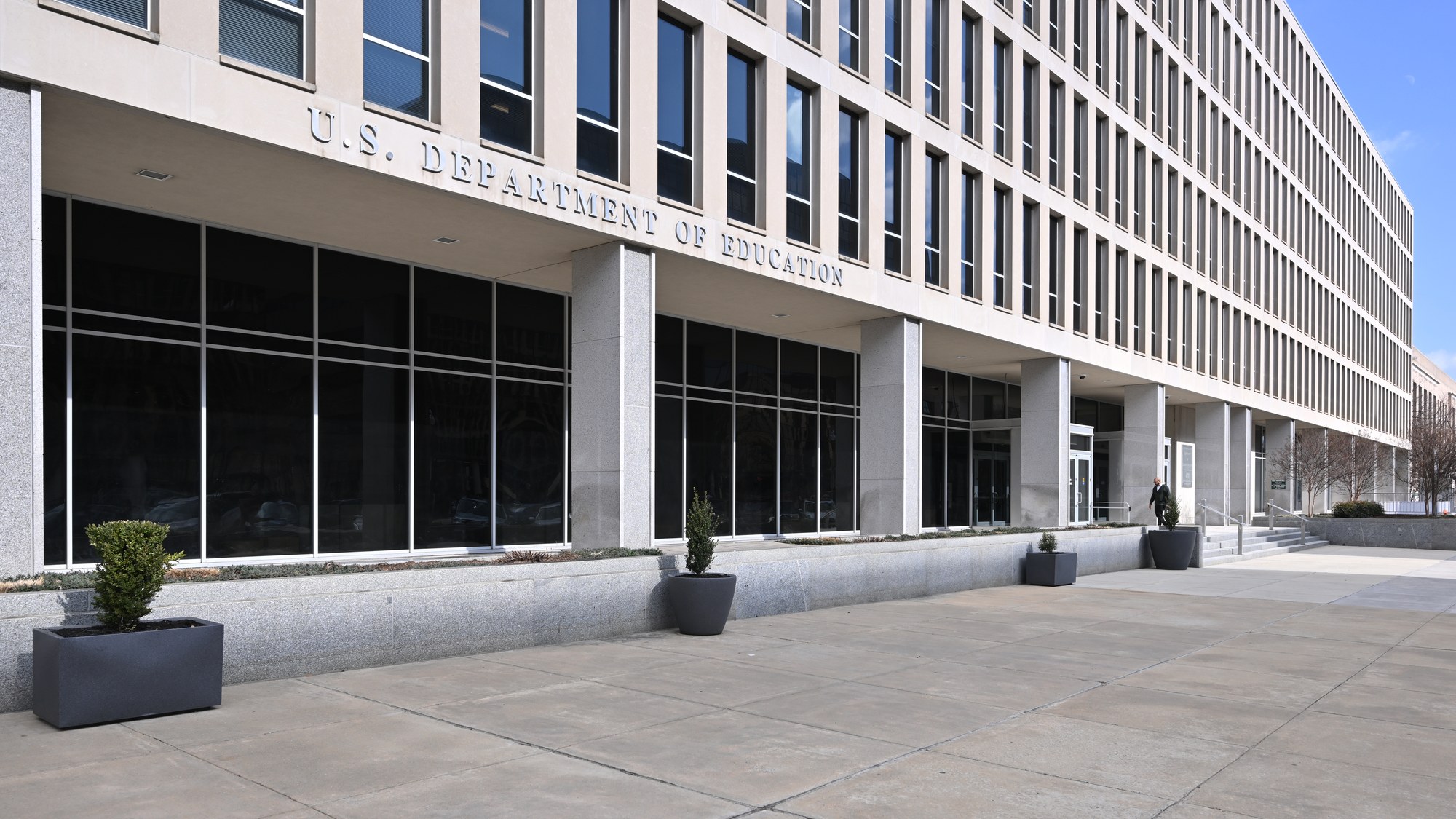
A federal student loan discount that has quietly existed for years just got four times larger, and the U.S. Department of Education is giving borrowers a hard date to lock it in. Anyone with a Direct Loan issued after July 1, 2012, including parents who borrowed on a child’s behalf, can cut their interest rate by a full percentage point simply by enrolling in automatic monthly payments before the end of September. Borrowers who are already on autopay do not need to do anything; everyone else has a specific window closing fast.
A 1-Point Rate Cut Tied To One Switch: Autopay
The Education Department announced that federal student loan borrowers enrolled in auto pay will be eligible for a 1 percent interest rate reduction, a jump from the standard 0.25 percentage point discount servicers have offered autopay borrowers for years. A loan servicer’s own breakdown, published on MOHELA’s federal studentaid.gov resource page, confirms the reduction jumps from 0.25% to 1% starting July 1, 2026, meaning the discount itself is nothing new, but its size is. For a borrower carrying tens of thousands of dollars in federal loan debt, a full percentage point off the interest rate lowers the amount of each payment that goes toward interest rather than principal, for as long as the temporary rate applies.
The part the notice skips: Enrolling in autopay for a federal loan means authorizing one more automatic monthly draft from a checking account, on top of whatever else is already set to withdraw on its own schedule, and neither the Department’s announcement nor a servicer’s signup page covers what happens if that account runs short the same week. See how to stop the resulting overdraft fees in The Bank Account & Debt Protection Kit.
Who Qualifies: Loan Type And Date Matter
The reduction applies specifically to Federal Direct Loans originated after July 1, 2012, according to the Department’s press release, and it explicitly covers both student and parent borrowers, meaning a parent who took out a Direct PLUS Loan to help pay for a child’s education qualifies on the same terms as the student would. Loans disbursed before that July 2012 cutoff are not covered by this particular reduction, and the eligibility rule is about when the loan was originated, not when the borrower enrolls in autopay or how long they have been repaying it. MOHELA’s resource page independently states the same cutoff, describing eligible loans as those “disbursed on or after July 1st, 2012.”
The Sept. 30 Deadline, And What Happens After
Borrowers who are not already enrolled in autopay have until 11:59 p.m. Eastern time on Sept. 30, 2026 to sign up and still qualify for the full 1 percentage point reduction, per MOHELA’s servicer page. Borrowers already enrolled in autopay do not need to re-enroll or take any additional step; the Department’s release states borrowers “who enroll in auto pay by September 30, 2026, or who are already enrolled, will benefit from the interest rate reduction.” As of this article’s publication, that deadline is five days away and has not yet passed, and nothing on either the Department’s release or the servicer page indicates the date has moved.
Why This Discount Is Temporary
The larger rate reduction is not permanent. It runs through June 30, 2028, according to the Department’s release, after which the discount for autopay enrollment is expected to revert absent a new announcement extending it. Under Secretary of Education Nicholas Kent framed the change as part of a broader push on repayment terms, saying the “Trump Administration is making student loan repayment easier than ever, and borrowers should not wait to take advantage” of the temporary reduction. Because the discount is bound to a fixed end date rather than tied to a borrower’s enrollment anniversary, a borrower who signs up in 2027, for instance, would still see the reduction expire in mid-2028 rather than receive a full multi-year discount from their own enrollment date.
One More Automatic Draft On A Household Account
A 1-point rate cut on a federal student loan is only worth as much as the autopay draft behind it actually going through every month without triggering a fee somewhere else. Neither the Education Department’s announcement nor a servicer’s enrollment page walks through what protects a checking account once it is carrying an additional automatic withdrawal, or what to do if that account gets frozen or overdrawn in a month when several automatic payments land at once.
The Bank Account & Debt Protection Kit lays out the 2-month bank protection rule alongside the steps for stopping overdraft fees before they compound.
Look up the overdraft-fee steps before setting up a new autopay draft, in The Bank Account & Debt Protection Kit.
This article was produced with AI assistance and checked against the primary sources linked above.