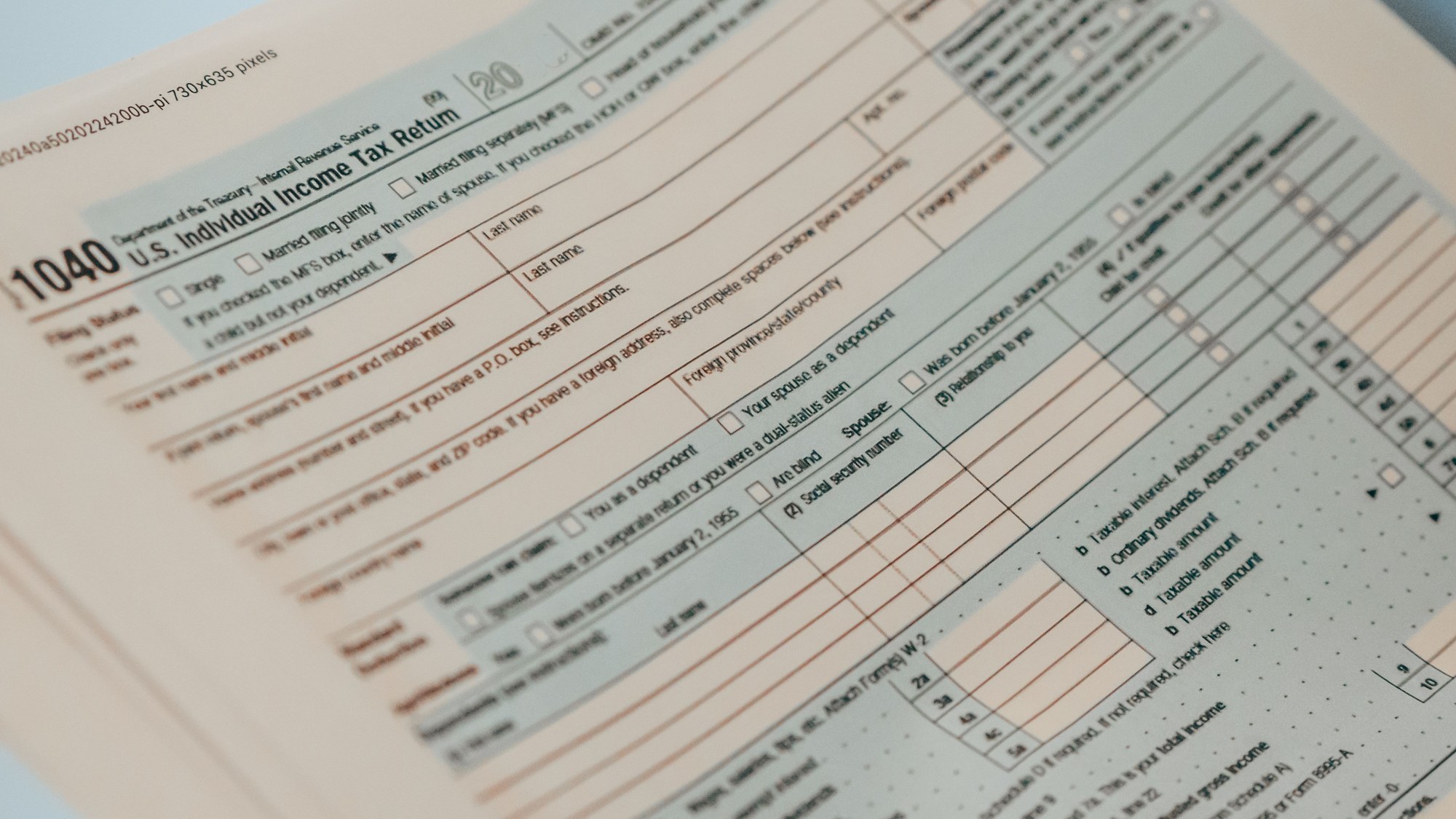
Michael Kahn, 66, of Charlotte pleaded guilty to tax fraud after moving more than $4.5 million from his family foundation to himself and leaving it off his income tax return, the U.S. Attorney’s Office for the Western District of North Carolina announced Oct. 26. Kahn faces a maximum of three years in prison. No sentencing date has been set.
Kahn founded The Michael A. Kahn Family Foundation in 2010 as a tax-exempt organization that presented itself as serving charitable, religious and educational purposes, the release says. He served as its director, president, treasurer, secretary and chairman, and the foundation had no other officers, board members or employees. WBTV reported in January that Kahn was the majority owner of the Charlotte Checkers hockey team starting in 2006 and sold it in 2024 while keeping a partial stake.
Between 2020 and 2023, the release says, Kahn moved the money out of the foundation and into his own hands. He did not report it as income on his 2020 tax return. Anyone who gives to a family foundation, or sits on a nonprofit’s board, has a stake in knowing where the money goes after a gift is made.
Retirement deadlines, in your inbox: Miss an enrollment or claim deadline and the money can be gone. Join the Retirement Money Brief and we’ll send you our 2026 Government Check Reality Tracker as a welcome gift.
Get the Brief + the check tracker →
We may earn a commission from links on this page.
What was Kahn charged with before the plea?
The same office unsealed an indictment on Jan. 29 that charged Kahn, then 65, with two counts of aiding and assisting in the preparation of a false tax return and two counts of failure to file a tax return. Each false-return count carried up to three years in prison, and each failure-to-file count up to one year.
The indictment alleged Kahn also left the foundation money off his 2021 return and did not file returns for 2022 or 2023, despite income of more than $25,900 and $27,700 in those years. He was released on bond after his January court appearance, and the office noted that the charges were allegations. The October announcement says only that he pleaded guilty to filing a fraudulent income tax return.
About nine months passed between the unsealed indictment and the plea announcement. The foundation, which Kahn set up in 2010, had by the government’s account been run by one person from the start, and the transfers in the case cover four years, 2020 through 2023, of that history.
What did prosecutors and the IRS say about the case?
U.S. Attorney Russ Ferguson said tax fraud raises the burden on Americans who follow the rules, and that prosecutors will pursue people who go beyond legal tax strategy. Donald “Trey” Eakins, the special agent in charge of IRS Criminal Investigation’s Charlotte field office, said tax-exempt organizations exist to serve charitable purposes, not to enrich the people who control them.
IRS Criminal Investigation ran the investigation, and Assistant U.S. Attorney Caryn Finley is prosecuting. Kahn entered his plea before U.S. Magistrate Judge David C. Keesler. A federal district judge will set the sentence after weighing the U.S. Sentencing Guidelines and other statutory factors, and the Justice Department has not announced when that will happen.
The release also notes that the Justice Department created a National Fraud Enforcement Division on April 7. It describes the division’s work as supporting the Task Force to Eliminate Fraud, chaired by Vice President J.D. Vance, which targets fraud, waste and abuse in federal benefit programs.
Does the IRS have a separate rule for foundations that pay their founders?
It does, and it is civil rather than criminal. The IRS says that when a private foundation and a “disqualified person” engage in an act of self-dealing, the self-dealer owes an excise tax of 10% of the amount involved for each year, plus an additional 200% if the act is not corrected in time. The IRS page lists no maximum on the self-dealer’s liability.
Foundation managers who knowingly take part face their own 5% tax, capped at $20,000 per act. Those civil taxes are separate from Kahn’s criminal case, which turns on income he did not report. The self-dealing rules apply to private foundations, and the Justice Department release does not say which category Kahn’s foundation fell into.
How can a donor check a charity’s status?
A tax-exempt label lets an organization receive gifts without paying federal income tax on them, but it does not tell a donor how the money is spent. The IRS says its Tax Exempt Organization Search lets people confirm whether an organization is eligible to receive deductible contributions and whether its exempt status has been revoked. The tool searches by legal name or by a “doing business as” name on file.
That check covers status only, and it is a few minutes of work before a large gift. In Kahn’s case, prosecutors describe a foundation with a single person in every office, a structure with no second set of eyes inside the organization. Donors who give through a foundation, and people asked to serve on one, can ask who else signs off on its spending.
Giving to charity yourself, and want the gift reported right?
The Kahn case turns on money that left a charity and never reached a tax return. Donors face the mirror-image question of whether their own gifts are handled and reported the way the IRS expects, and a gift made the wrong way from an IRA can land on the return as taxable income.
This is a different subject from the case, and the guide says so plainly: Give From Your IRA (QCDs) is for readers 70½ or older who want to give straight to a qualifying charity. It walks through checking that you can, by age and by which accounts work, and letting the gift cover your RMD, the withdrawal you must take anyway. It also covers picking a charity that qualifies and the three kinds that don’t.
Get the guide to sending IRA gifts straight to a qualifying charity →
This article was produced with AI assistance and edited for accuracy against the sources linked above.