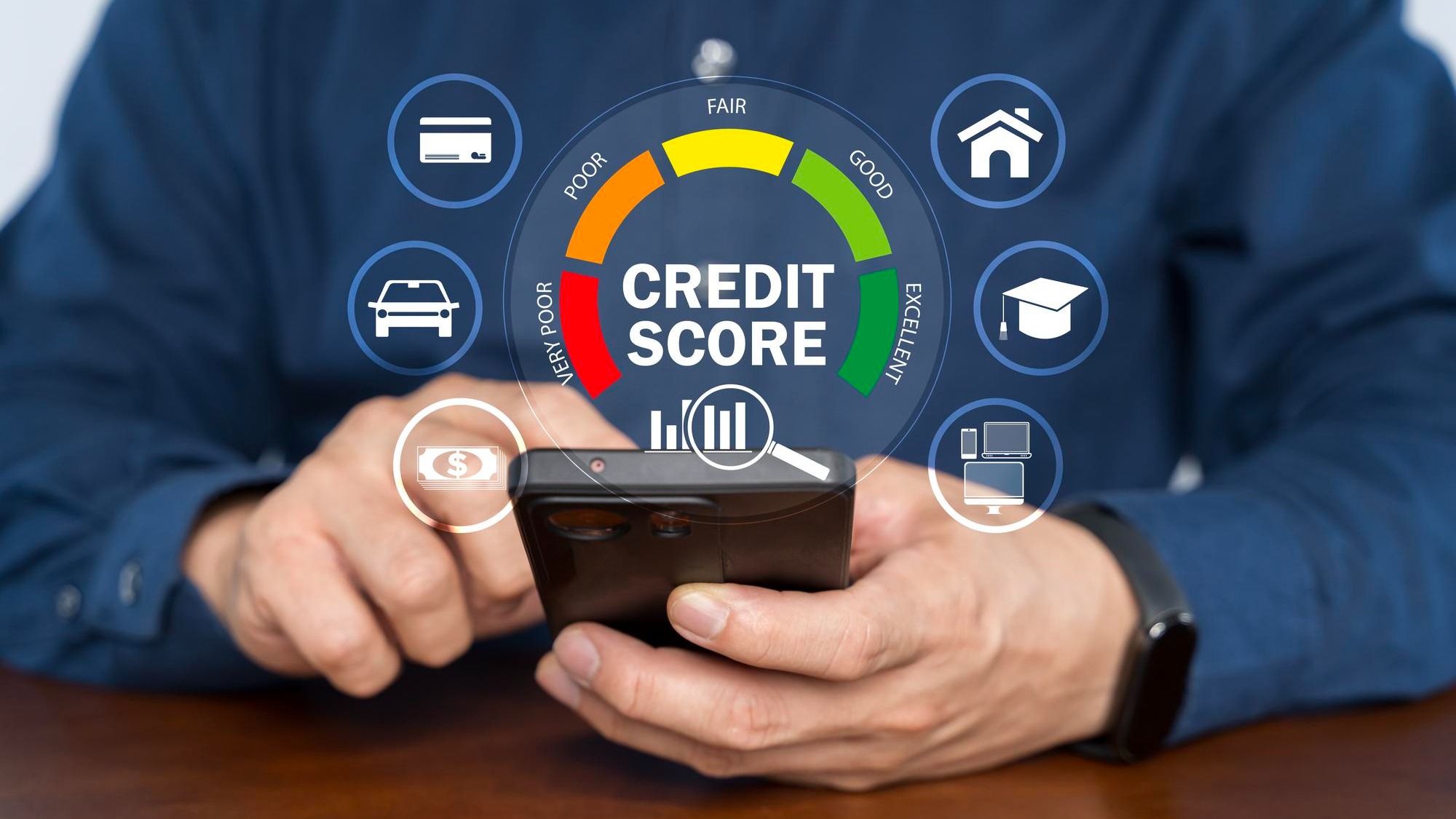
Millions of people avoid pulling their own credit reports each year because they believe the act itself will drag down their score. That fear is unfounded. A consumer requesting a personal credit report triggers only a soft inquiry, which carries zero scoring penalty, according to the Consumer Financial Protection Bureau. The distinction between soft and hard inquiries sits at the center of a persistent misconception that keeps households from spotting errors, fraudulent accounts, and other problems that actually do hurt their credit standing.
Why the soft-inquiry rule matters right now
Credit scores shape the cost of borrowing for mortgages, auto loans, and credit cards. When consumers skip self-checks out of misplaced worry, they lose the chance to catch inaccuracies before those errors translate into higher interest rates or outright denials. The CFPB has stated plainly that checking your own credit is not an inquiry about new credit and therefore has no effect on your credit score. That language draws a bright line: a self-initiated pull is categorically different from the hard inquiry a lender generates when evaluating a loan application.
One testable idea follows from this gap between the rule and public awareness. If households received targeted reminders explaining the soft-inquiry distinction, they would likely review their files more often and, in turn, file disputes for inaccuracies at higher rates within 90 days than households that received only generic credit-education messages. No federal agency has published experimental data on that specific question, but the logic tracks with the CFPB’s own emphasis on consumer self-monitoring as a first line of defense against reporting errors.
Federal law and the hard-versus-soft divide
The legal backbone of the inquiry distinction is 15 U.S. Code Section 1681b, which spells out the permissible purposes for furnishing a consumer report. Creditors, insurers, and employers may obtain a full report only when they have a qualifying reason, such as evaluating a credit application. Those creditor-triggered pulls are the hard inquiries that scoring models count. A person pulling their own file falls outside those creditor triggers entirely, so no scoring algorithm treats it as a signal of new debt-seeking behavior.
The Federal Trade Commission reinforces the practical side of this framework by directing consumers to the official portal for free credit reports. Using that single authorized channel, consumers can review files from each of the three national bureaus without generating the kind of inquiry that lenders order when processing new applications. The FTC also maintains related consumer-protection tools for reporting fraud and identity theft, giving people a clear path from discovery of an error to formal dispute.
Gaps in the data on consumer behavior
The federal guidance is unambiguous on the scoring mechanics, yet several important questions lack published answers. Neither the CFPB nor the FTC has released raw complaint-log data showing how often consumers cite score-damage fears as the specific reason they avoid self-checks. The three national credit bureaus have not disclosed breakdowns of soft-inquiry volume from consumer-initiated pulls versus creditor-initiated pulls. And no official study in the cited statutory or regulatory sources measures how frequently consumers who do check their reports go on to file disputes, compared with those who rely solely on lender disclosures when problems surface.
This absence of granular data makes it difficult to quantify the real-world cost of the misconception. If millions of consumers are refraining from self-monitoring because they believe it will hurt their scores, the result could be slower detection of identity theft, longer lifespans for inaccurate negative items, and higher borrowing costs for households that already face tight budgets. Yet without public statistics tying complaint narratives and inquiry patterns to specific beliefs, policymakers and researchers are left to infer behavior from scattered surveys and anecdotal evidence.
How consumers can safely monitor their credit
Even with those data gaps, the practical guidance is straightforward. Consumers can pull their own credit reports through the authorized channels as often as the law and current program rules allow, without worrying about score damage from those self-initiated checks. Reviewing each bureau’s file lets people confirm that personal information is correct, that account lists match their actual borrowing history, and that no unfamiliar collection items or public records have appeared.
When something looks wrong, federal agencies encourage prompt action. People who suspect fraud or identity theft can submit detailed reports through the FTC’s dedicated fraud-reporting site and then use that documentation to support disputes with credit bureaus and affected creditors. For errors that do not involve fraud, such as misreported balances or mistaken late payments, consumers can file disputes directly with the reporting bureau and the lender, triggering investigation timelines laid out in federal law.
Understanding that self-checks are harmless from a scoring perspective can also help consumers plan around legitimate hard inquiries. Someone preparing to apply for a mortgage, for example, might review their reports several months in advance to correct inaccuracies before any lender pulls a file. That sequencing lets borrowers enter the application process with cleaner data and potentially stronger scores, while keeping unavoidable hard inquiries clustered within a defined shopping window.
The core message from regulators is consistent: knowledge of one’s own credit file is a protective tool, not a liability. Soft inquiries generated by consumers do not reduce credit scores, and federal law reserves score-impacting hard inquiries for situations in which a creditor is actually evaluating new credit. Bridging the awareness gap between those legal and technical realities and everyday consumer beliefs remains an open challenge, but the existing rules already give households a powerful, penalty-free way to keep watch over one of the most important datasets in their financial lives.